Tuesday, October 27, 2026
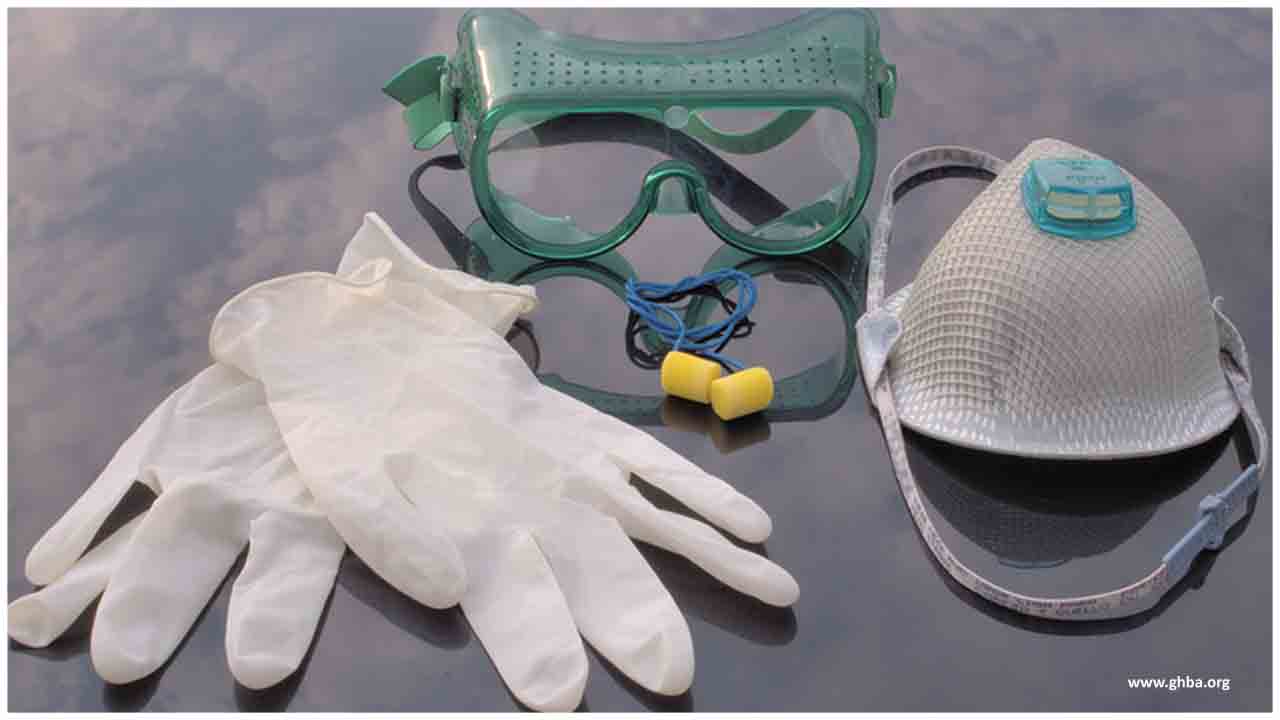
 Millions of masks, gloves, goggles, and other items worth US$ 1.7 million were dispatched by WHO to protect health-care professionals




Millions of masks, gloves, goggles, and other items worth US$ 1.7 million were dispatched by WHO to protect health-care professionals and other frontline workers in Turkey from COVID-19, thanks to funding provided by the German government through KfW Development Bank. Through this funding, WHO has also assisted the Ministry of Health to track the spread of COVID-19 in Istanbul, one of the cities hit hardest by the pandemic.
Turkey announced its first COVID-19 case on the day the WHO characterized the outbreak as a pandemic and urged countries to ramp up their measures to prevent the spread of the virus. Turkey responded immediately by introducing physical distancing measures to protect people most at risk of COVID-19 consequences, such as those aged over 65.
These measures were accompanied by health advice for hand and respiratory hygiene, and the government recommended that people wear non-medical masks when physical distancing is not feasible, such as when shopping for groceries in crowded spaces or commuting on public transport. Two WHO partners, the Association for Solidarity with Asylum Seekers and Migrants (ASAM) and Doctors Worldwide (DWW), helped distribute the protective items across the country.
Medical supplies distributed and contact tracing conducted
ASAM helped distribute more than 2.8 million pieces of personal protective equipment (PPE), including 1.4 million pairs of disposable gloves, 1.3 million surgical masks, 25 000 hair caps, 16 900 respirator masks, 16 000 disposable coats, 8800 pairs of protective goggles, 8900 protective coveralls and 4600 face shields.
Also, disposable stretch covers, disinfectant, infusion sets, deep-freezers, laboratory-type refrigerators, digital infrared thermometers, and other laboratory equipment were purchased to support the COVID-19 response in the country.
With support from the funding, DWW made available 5 vehicles with drivers during April–June 2020, to transport Ministry of Health medical teams, comprising a nurse and a doctor, to run COVID-19 diagnostic tests on contacts of individuals tested positive.
Rapid relocation of funding to address pandemic needs
The financial support that allowed for the distribution of PPE was originally intended for WHO’s Refugee Health Programme in Turkey, however, the donor-supported the redistribution of funds towards the needs created by the pandemic.
The Refugee Health Programme continues to support the employment of Syrian personnel in the Turkish health sector while providing health services to Syrian refugees in Turkey. The program launched jointly with the Ministry of Health in 2018, has seen over 390 Syrian personnel hired and almost 80 000 home-care services delivered to date.




-23-300x250.png)

.jpeg)



.jpg)
.jpg)
.jpg)
.jpg)
.jpg)
.jpg)
.jpg)
.jpg)
.jpg)