 Monday, October 05, 2026
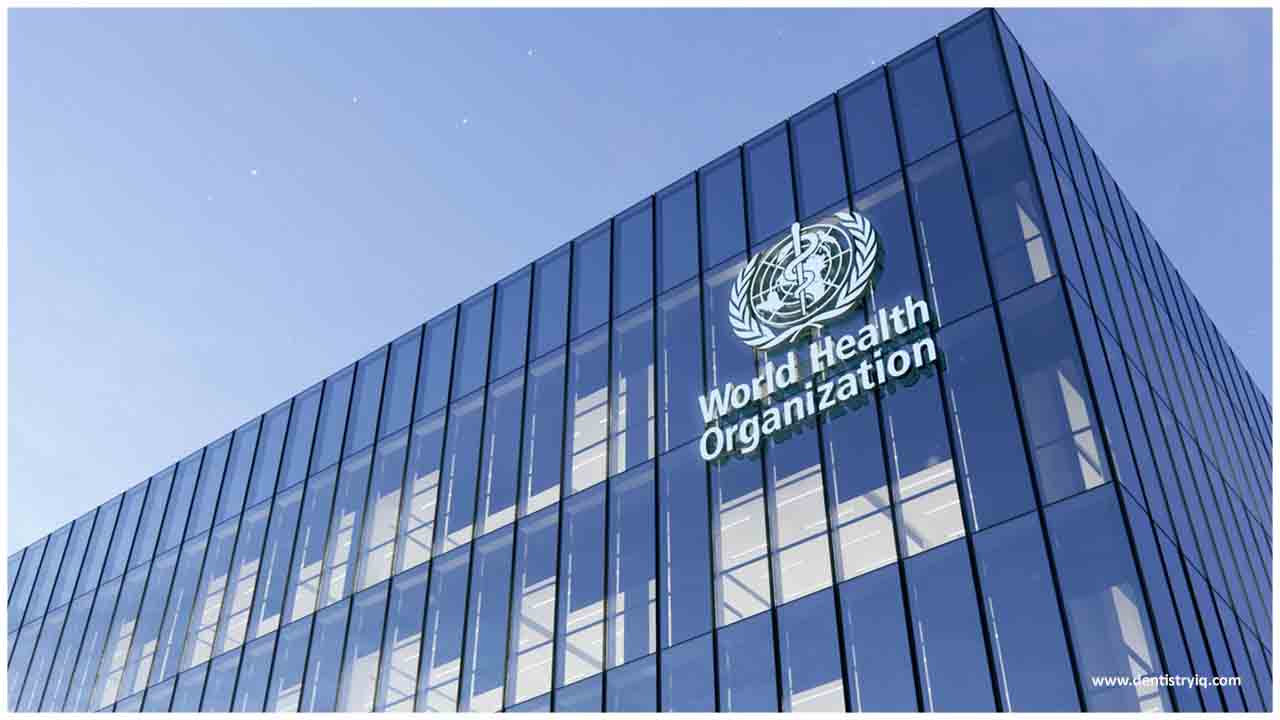
 As per WHO, Corticosteroids could be used for treating severe Coronavirus cases




International clinical trials published yesterday confirmed the hope that cheap, widely available steroid drugs could help seriously ill patients survive Covid-19. Based on the new evidence, the World Health Organization issued new treatment guidance, strongly recommending steroids to treat severely and critically ill patients, but not to those with mild disease.
An analysis of pooled results from seven studies, led by a group from the World Health Organization, found that steroids reduced the risk of death in the first month by about one-third compared with placebo treatment or usual care alone, in the seriously ill patients who needed extra oxygen. The findings were published today in the Journal of the American Medical Association, JAMA. The study concluded that each of the three drugs reduced the risk of death.
JAMA published that paper and the related studies, along with an editorial describing the research as important step forward in the treatment of patients with Covid-19. The authors said, Corticosteroids should now be the first-line treatment for critically ill patients.
Global Covid-19 deaths surpassed 8 lakh 40,000 yesterday, according to Johns Hopkins University. With total Covid-19 cases around the world reaching 2 crore 48 lakhs 92 thousand and 543, the death toll worldwide rose to 8,40,341.
The US reported the most Covid-19 cases which stood at 59 ,58486. It also reported 1 lakh 82 thousand 711 deaths, accounting for more than one fifth of the global death toll. Brazil recorded 38,46,153 cases and 120262 deaths,, second only to the United States.
Back at home, Health Ministry has said that the COVID case per million population in India is among the lowest in the world.
Briefing reporters in New Delhi today, Health Secretary Rajesh Bhushan said, India has 2,792 cases of COVID-19 per million population, while the world average is 3,359 cases. He said, India's death per million population is also the lowest among the world. India's death per million population is 49 while the world average is 111.
Mr Bhushan said, five states - Maharashtra, Andhra Pradesh, Karnataka, Uttar Pradesh and Tamil Nadu account for 62 per cent of active COVID-19 cases in the country. He said, five states - Andhra Pradesh, Delhi, Karnataka, Tamil Nadu and Maharashtra account for 70 per cent of total Covid-19 deaths in the country.
Health Secretary said, the number of recovered COVID cases in the country is more than 29,70000, which is 3.6 times more than active cases.
Mr Bhushan said, India has achieved the milestone of conducting the highest number of COVID tests by testing over 1172 000 samp,les in the last 24 hours. The cumulative tests have reached more than 4 crore 50 lakh.






.jpeg)
.jpg)
.jpg)
.jpg)
.jpg)
.jpg)
.jpg)








.jpeg)

.jpeg)


.png)