 Saturday, October 10, 2026
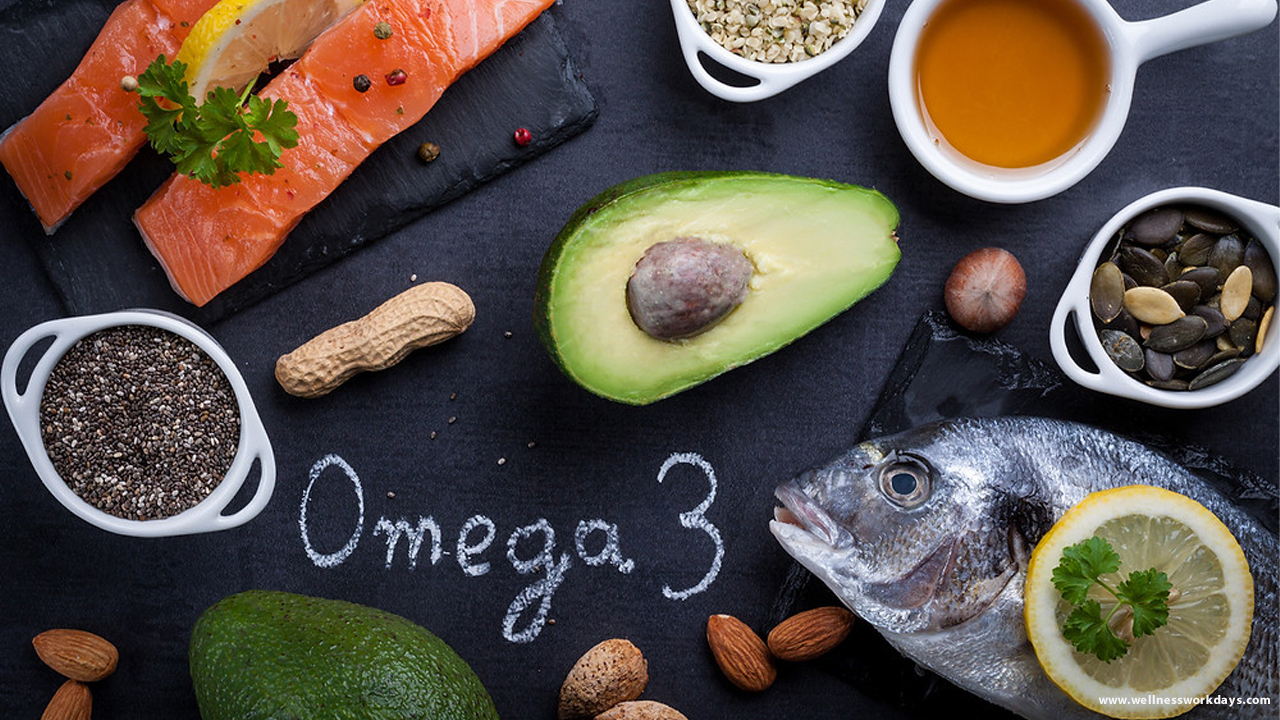
 Omega-3 fatty acids are considered very good for the development of the brain of children. In addition, it is also good for children's heart health and behavior.




Many nutrients are found in omega-3 fatty acids, which are extremely beneficial for young children. Omega-3 fatty acids contain both docosahexaenoic acid (DHA) and eicosapentaenoic acid (EPA). The nutrients found in omega-3 are considered very good for the development of the brain of children. In addition, the antioxidant present in it is also useful for the growth of new cells. Apart from this, it is also good for the development of the heart and nervous system of children.
Benefits of Omega-3 Fatty Acids for Toddlers
- Beneficial for the brain
Omega-3 fatty acids are good for children's brains. Actually, DHA helps a lot in the development of children's brains. If the level of DHA in the child's body is low, it also affects memory and reading ability. Therefore, you must include omega-3 fatty acids in the diet of children.
-
Helpful for eye development
Omega acids are very helpful for the development of children's eyes. The DHA present in it is essential for the development of the retina of the eye. Due to its lack, children do not have any problem in sight. Along with this, the eyesight also increases.
- Keep the Heart Healthy
The acid found in omega-3 is helpful in the development of the heart. It helps to improve red blood cells through blood capillaries for heart health. It also helps in reducing the problem of blood pressure. Omega-3 lowers the bad cholesterol in your body and increases the good cholesterol.
- Practice Improvements
Consumption of omega-3 also increases the learning ability of children. It also reduces hyperactivity and restlessness in children. This increases their ability to concentrate.
- Beneficial in the problem of asthma
Consumption of omega-3 fatty acids reduces the chances of asthma in children. Omega 3 reduces inflammation in the respiratory tract, thereby keeping the airways clean in children with asthma.
Sources of omega-3
The best sources of omega-3 fatty acids for children are-
- Salmon
- Cod liver oil
- Sardines
- Catfish
- Eggs
- Flax seed
- Chia seeds
- Walnut
- Soybean
- Spinach
- Broccoli
- Mutton
- Strawberry
- Kiwi
How much omega-3 should a child take in a day?
The amount of omega-3s in a day for children is different for children of different ages. In such a situation, the child should take 400-600 mg of omega-3 fatty acids. You can feed it to children in many ways.
How to Feed Omega-3 Acids to Children?
There are many different ways you can feed omega-3 fatty acids to babies. For this, you can feed them by frying fish. Chia seeds and flax can be given with oats or smoothies. You can also feed broccoli and spinach by making a vegetable or paratha. Apart from this, if your child has a lot of tantrums in food, then you can feed them by cooking them in fish oil. They also get complete nutrition from this. Apart from this, you can also feed eggs to the baby in different ways. Children can also be fed by making fruit salad. Add kiwi and strawberries to it.





.jpeg)










.jpg)
.jpg)
.jpg)
.jpg)
.jpg)
.jpg)


.jpg)