 Thursday, October 08, 2026
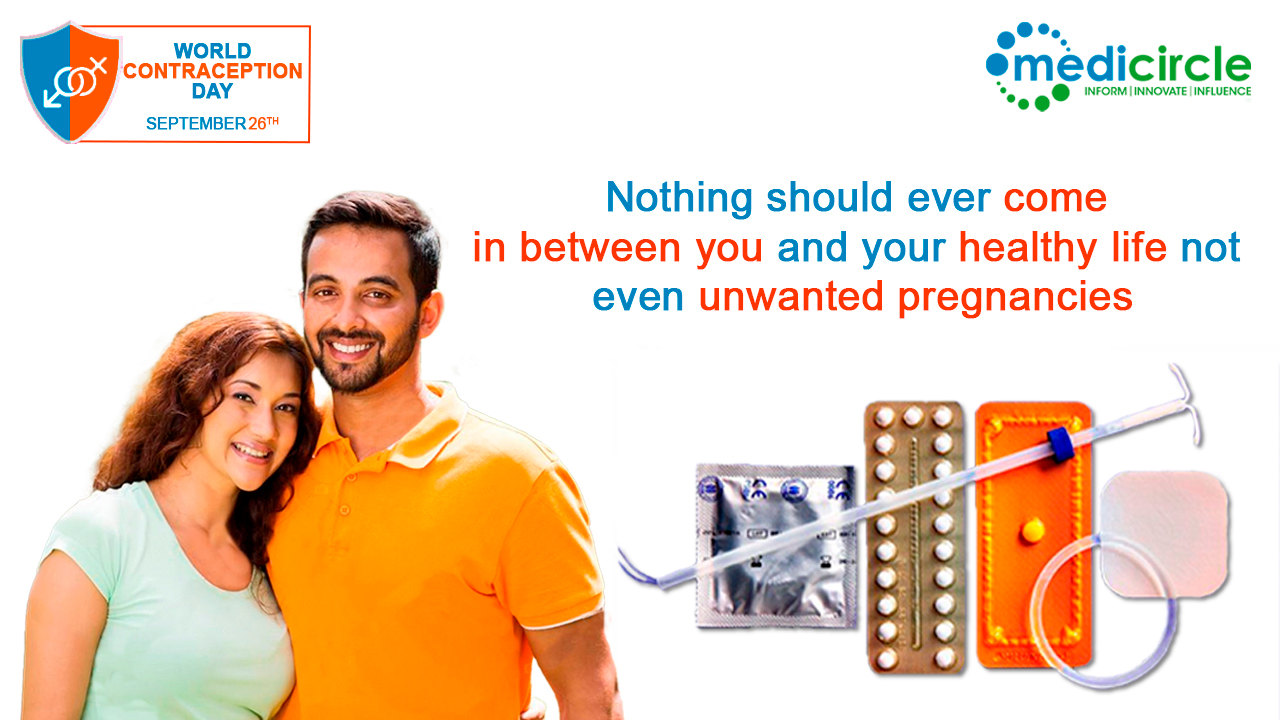
 For a developing country like India which is the second most populous country in the world, World Contraception Day becomes an important event to highlight the need for population control so as to achieve sustainable development.





Contraception also known as birth control is a method that prevents pregnancy. Birth control has been used since ancient times but effective and safe methods of contraception became available in the 20th century. The first large-scale trial took place in 1956 and has been rectified since. The first World Contraception Day was observed on September 26, 2007. 10 International family planning organizations pushed forward the idea of using contraceptives to enable women and families to make planned decisions about pregnancy.
The day is now supported by a coalition of about 15 international NGOs, medical and scientific communities, and governmental organizations for imparting the right knowledge about sexual and reproductive health. Since then it has been celebrated every year on the same date. Its mission is to improve awareness about the several contraceptive methods available and their safe use.
For a country like India which is the second most populous country in the world, this day becomes an important event to highlight the need for population control so as to achieve sustainable development. Population control will uplift the standard and quality of living, a step towards sustainable development.
Contraception methods
There are multiple methods of contraception available in the market.
- Barrier method – It includes female and male condoms. Apart from these, cervical cap, diaphragm, and contraceptive sponge also come in the same category.
- Fertility awareness methods – This method comprises awareness regarding the more fertile days of the month or days at which women are ovulating. These days, women should not have a sexual relationship with their partner or should use a barrier method to avoid pregnancy.
- Sterilization – This method is permanent. Vasectomy for men and tubectomy for women are permanent birth control options.
- Emergency contraceptive pills – It is the most popular method of avoiding unwanted pregnancy. Women can have them within some hours of having unprotected sexual intercourse.
- Hormonal methods – Birth control pills and vaginal rings are short-acting hormonal methods for days, weeks, or months. Copper T (IUD), hormonal IUD, and contraceptive implants are long-acting. Effectiveness of these last for years like 3-10 years after their insertion. They can be removed in case the woman wants to get pregnant.
Significance of contraception
- Helps in family planning – Being informed about various methods of contraception, women can decide when they want to have children and maintain the ideal gap between two children. All this can help a family to live a quality life.
- Girls and women who are not ready to get pregnant mentally and physically, contraception is a boon for them. They can easily prevent pregnancy.
- Frequent abortions can result in various serious health problems for women. Contraception is really grateful for this. Contraception can easily avoid unwanted pregnancy thus protecting women’s health.
- Population control – Control population is like an asset in the development of the country. Overpopulation can put pressure on the environment, economy, and health and education services. Couples can plan the number of children they want to have so that they can raise them well both financially and emotionally.





.jpeg)








.jpg)
.jpg)
.jpg)
.jpg)
.jpg)
.jpg)


.jpg)
.jpg)
.jpg)