 Thursday, October 08, 2026
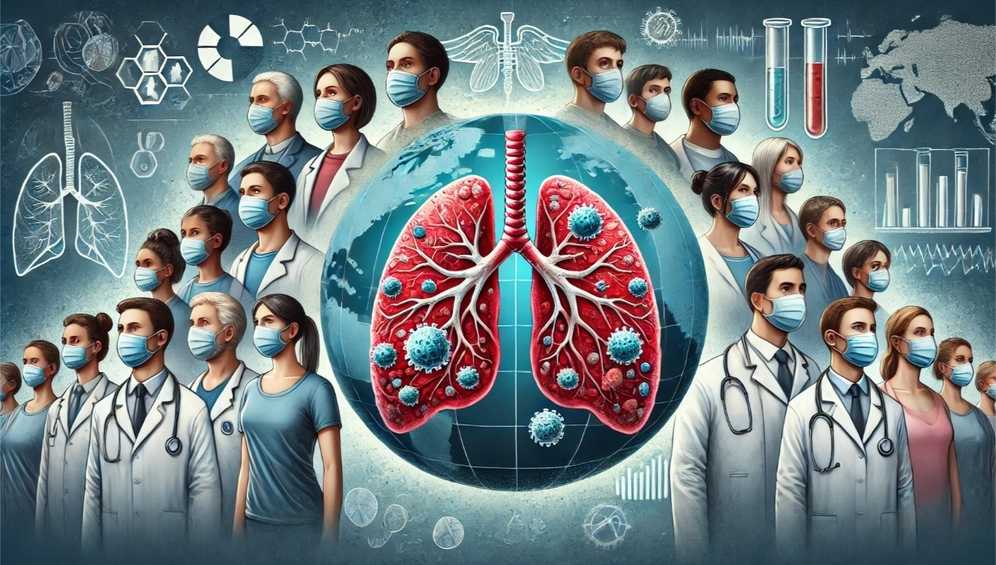
 TB is curable and preventable, yet it continues to claim millions of lives every year. The key to winning this battle lies in awareness, early diagnosis, and proper treatment.




March 24 is observed as World Tuberculosis (TB) Day every year, yet many people still underestimate the threat of this disease. Despite being preventable and curable, TB continues to claim thousands of lives every year, making it one of the deadliest infectious diseases globally. In India, where TB remains a major public health challenge, the day serves as a crucial reminder of the urgent need to fight this disease.
From its deadly past to its modern-day challenges, TB has shaped history in ways many do not realize. Even some of the world’s most famous personalities have battled and survived this disease. But why is TB still such a big concern, and what makes World Tuberculosis Day so significant? Let’s explore.
World Tuberculosis Day is marked annually on March 24 to raise awareness about the devastating impact of TB and to mobilize efforts toward its prevention and elimination. The date was chosen to honour the discovery of the TB-causing bacteria (Mycobacterium tuberculosis) by Dr. Robert Koch in 1882. His research led the way for diagnosing and treating TB, offering hope to millions.
Despite medical advancements, TB is far from being eradicated. It continues to be a global health crisis, especially in developing nations. According to the World Health Organization (WHO), TB remains one of the top infectious killers worldwide, with millions of new cases reported annually.
Over 10 million people develop TB each year
More than 1.5 million die from TB annually
India accounts for one of the highest number of TB cases worldwide
These shocking statistics highlight why a dedicated day is needed to spread awareness, improve early diagnosis, and ensure treatment access for all.
TB is not a new disease it has existed for thousands of years. Historical evidence suggests that even ancient Egyptian mummies showed signs of TB. In the past, it was commonly referred to as “consumption” due to the way it gradually wasted away the body.
Key Milestones in TB History
Ancient Times: TB was mentioned in Greek and Roman texts, often seen as an incurable disease.
1882: Dr. Robert Koch discovered the TB bacterium, revolutionizing medical understanding.
1940s-50s: The development of antibiotics, such as streptomycin, transformed TB treatment.
1970s-90s: Drug-resistant TB strains began emerging, making treatment more complicated.
2000s-Present: The global push for TB elimination gains momentum, but new challenges continue to arise.
World Tuberculosis Day is more than just a symbolic event it serves a critical purpose and aims to:
1. Spread Awareness: Many people still misunderstand TB or believe it only affects the poor. In reality, TB can infect anyone, and awareness is the first step toward early detection and treatment.
2. Encourage Early Diagnosis: One of the biggest reasons TB spreads is because people ignore symptoms or do not get tested in time. Persistent cough, fever, night sweats, and weight loss should never be taken lightly.
3. Push for Better Healthcare Access: In developing countries, TB treatment is often expensive or inaccessible. On this day, governments and health organizations advocate for free treatment programs and better healthcare facilities.
4. Break the Stigma: TB patients often face social discrimination, making them reluctant to seek treatment. World Tuberculosis Day helps challenge misconceptions and support affected individuals.
India bears the highest TB burden in the world, accounting for over 27% of global cases. Despite government initiatives, the disease continues to spread rapidly due to several factors:
1. Overcrowding and Poor Living Conditions: TB thrives in overcrowded spaces with poor ventilation, making densely populated cities in India a breeding ground for infections.
2. Late Diagnosis and Lack of Awareness: Many TB cases go undiagnosed for months, allowing the infection to spread within families and communities.
3. Malnutrition and Weakened Immunity: A large portion of India’s population suffers from malnutrition, making them more vulnerable to TB. HIV-positive individuals are also at greater risk.
4. Drug-Resistant TB Strains: Misuse or incomplete use of antibiotics has led to multi-drug-resistant TB (MDR-TB), which is harder and more expensive to treat.
5. Stigma and Social Exclusion: In many parts of India, TB patients face job loss, marriage rejections, and social isolation. This stigma often discourages people from seeking medical help.
Tuberculosis has affected many renowned personalities, proving that it can strike anyone, regardless of status or wealth. Some notable survivors include:
1. Nelson Mandela: The former South African president and anti-apartheid leader battled TB while imprisoned. After his recovery, he became an advocate for TB awareness.
2. George Orwell: The legendary author of 1984 and Animal Farm suffered from severe TB for years. Despite his illness, he continued writing some of the most powerful literary works in history.
3. John Keats: The famous English poet tragically died from TB at a young age. His emotional poetry reflected his struggle with the disease.
4. Eleanor Roosevelt: The former First Lady of the United States was a TB survivor who later worked on global healthcare initiatives.
India has taken several bold steps to eliminate TB. Some key initiatives include:
1. National Tuberculosis Elimination Program (NTEP): Previously known as RNTCP (Revised National TB Control Program), this initiative provides free TB diagnosis and treatment across India.
2. Nikshay Poshan Yojana: A financial aid scheme where TB patients receive ?500 per month to help with nutritional needs during treatment.
3. TB Free India Campaign: Launched with the ambitious goal of eliminating TB in India by 2025, five years ahead of the global WHO target.
4. Free TB Screening and Testing: The government has introduced door-to-door screenings and mobile testing vans to reach remote areas.
5. TB Awareness Campaigns: Celebrities and influencers, including Amitabh Bachchan, have been roped in to spread awareness about early TB detection and treatment.
While government efforts are crucial, individual action is equally important in reducing TB cases. Here’s what you can do:
Know the Symptoms – A persistent cough lasting more than two weeks should not be ignored.
Encourage Testing – If someone shows symptoms, advise them to get tested immediately.
Complete the Treatment – Many patients stop taking TB medicine once they feel better. This leads to drug-resistant TB, which is much harder to cure.
Spread Awareness – Educate people in your community about TB, especially in rural and low-income areas.
Support TB Patients – Fight the stigma surrounding TB by offering emotional and financial support to patients.
World Tuberculosis Day is not just about talking it’s about taking action. TB is curable and preventable, yet it continues to claim millions of lives every year. The key to winning this battle lies in awareness, early diagnosis, and proper treatment.
If everyone from governments, healthcare professionals to us individuals get together we can turn the dream of a TB-free world into reality.





.jpeg)










.jpg)
.jpg)
.jpg)
.jpg)
.jpg)
.jpg)


.jpg)