 Thursday, October 08, 2026
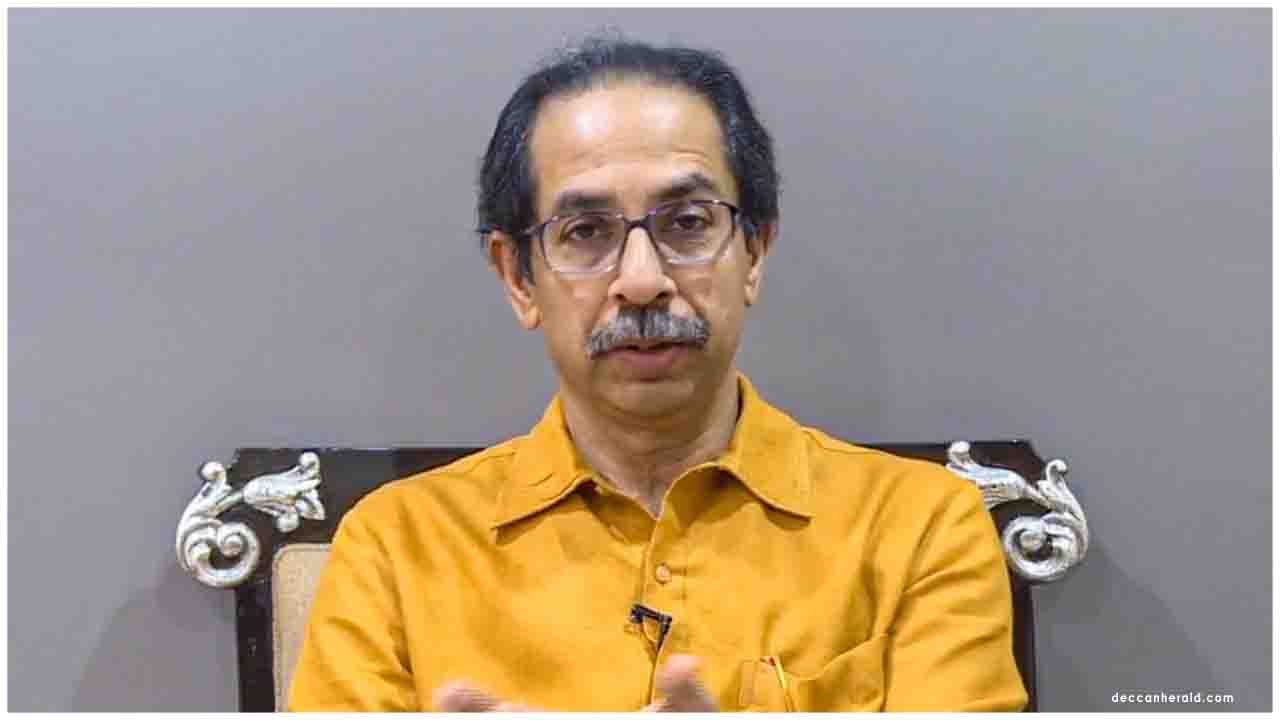
 CM Uddhav Thackeray assures Mumbaites that there is no dearth of beds and medicines though the ground report says otherwise




In the wake of the rising number of Covid-19 patients in Mumbai and unavailability of the medicines, Maharashtra Chief Minister Uddhav Thackeray appealed to the people not to panic as the municipality has enough stock of essential medicines required for the treatment of Coronavirus infected patients.
The Chief Minister was addressing a meeting through video conferencing with the officials of the Indian Administrative Service appointed to monitor the functioning of Mumbai Municipal Corporation as well as private hospitals in the city. More from our
Maharashtra Chief Minister Uddhav Thackeray said that the government has taken possession of 80 per cent beds in private hospitals in Mumbai for the treatment of Covid -19 patients. He said that such hospitals should display a list at the entrance with details of how many patients are currently undergoing treatment and how many beds are vacant in the hospital.
In the early days of the outbreak of the pandemic, there were complaints about the availability of beds in Mumbai, but now their numbers have dropped. He assured that the government has created jumbo facilities for COVID patients. They are providing good services, he claimed. Thereby officials need to build trust among the citizens so that the urge to go to a big hospital for treatment will be reduced and the hospitals will be less stressed.
The doubling rate of COVID-19 cases in Mumbai has now improved to 47 days and the current growth rate of the pandemic is at 1.49 percent.
Meanwhile, the number of coronavirus cases surging in Maharashtra, the state government is busy setting up additional facilities for their care and treatment. Maharashtra Chief Minister Uddhav Thackeray today inaugurated four jumbo COVID Care Centres spread across Mulund, Dahisar, Mahalaxmi Race Course and Bandra Kurla Complex in Mumbai.
A total of 3520 beds have been added to Mumbai’s capacity, including 222 ICU beds. The biggest facility has been set up in Mulund with 1700 beds. The facility, built with the help of the City and Industrial Development Corporation - CIDCO will also cater to patients from neighboring Thane and Navi Mumbai districts.
While the 900 bed COVID Care Centre at Dahisar East has been developed with the help of Mumbai Metro authority; the facility at Mahalaxmi Race Course with 700 beds and an extension at Bandra Kurla Complex has been undertaken with the help of Mumbai Metropolitan Region Development Authority.
Speaking at the inauguration ceremony, Mr. Thackeray said Maharashtra is developing these facilities in open grounds due to rising numbers but assured that the facilities are strong enough to brave the rains. He added that these field hospitals will have contactless clinics, ICU wards, remote monitoring, central command systems and COVID dialysis beds.
Meanwhile, the state today also signed an agreement with German Drug major Bayer for setting up a 100-bed corona care facility at Chittegaon in Aurangabad.






.jpeg)










.jpg)
.jpg)
.jpg)
.jpg)
.jpg)
.jpg)


.jpg)