 Monday, October 05, 2026
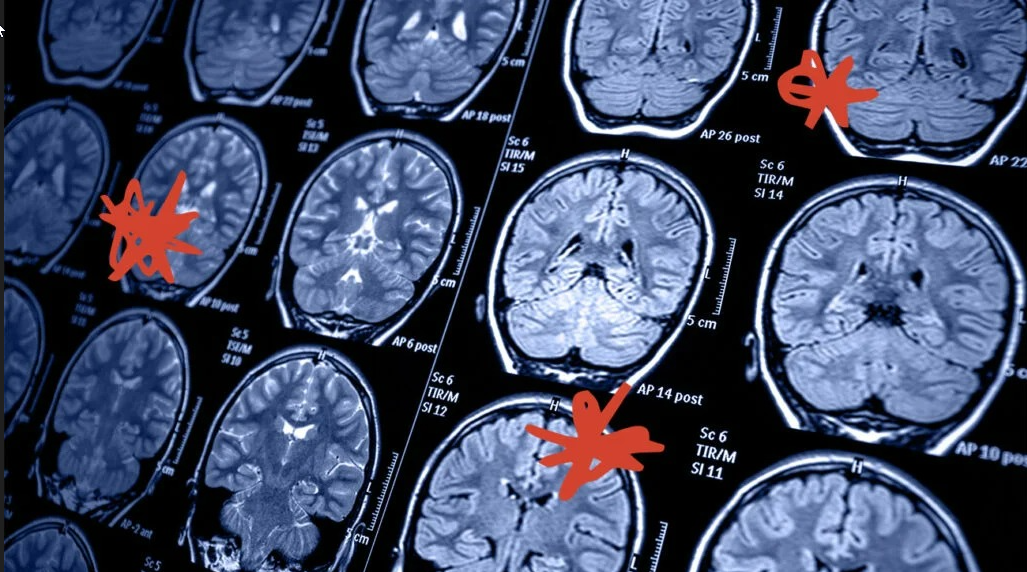
 While most healthcare providers focus on the gravity of acute strokes, they often fall short of turning an eye towards the long-term health implications of such strokes.




FARIDABAD, October 26 – The long-term effects of stroke can be multifaceted – ranging from movement disorders like tremors, dystonia, parkinsonism, and epilepsy to depression and cognitive challenges and a third of all stroke patients fall prey to these health issues, said Dr. Sanjay Pandey, HoD, Department of Neurology, Amrita Hospital, Faridabad.
Studies show that stroke reigns as the third-most common cause of death in developed countries and remains one of the leading factors behind fatality among developing nations too when it comes to deaths and disabilities owing to non-communicable diseases.
In this regard, Dr. Sanjay Pandey said, “Most stroke patients undergo epilepsy, yet it is the formidable post-stroke movement disorders that emerge as the true giants, with a staggering morbidity rate of 10-15%. Post-stroke epilepsy follows closely behind at 10-12%, while post-stroke depression, though significant, stands at 5-9%. Regrettably, 50% of stroke survivors go undiagnosed of such post-stroke complications.”
“Long-term consequences, including post-stroke epilepsy, movement disorders, chronic pain, and paralysis, significantly erode one's quality of life. Joint deformities, facial asymmetry, contractures, and bedsores are also common. Stroke can have an impact on a patient’s mental health too in the form of anxiety, depression, memory lapses, and concentration difficulties. In some cases, individuals may develop vascular dementia, which can present itself as Alzheimer's disease. Cognitive challenges arising out of stroke can impair fundamental tasks such as eating, bathing, and everyday activities for which an individual then has to rely on caregivers. The lingering effects of a stroke can lead to an enduring state of dependence and, in many instances, a loss of employment,” added Dr. Pandey.
However, there still remains hope for stroke patients as the long-term implications can be treated with early mobilization, physiotherapy, and occupational therapy. For instance, Botulinum toxin injection has helped patients having post-stroke spasticity and dystonia. They can improve the overall functional outcome of the patients. Furthermore, there are prevention strategies for recurrent stroke which can help reduce the long-term impact of a stroke






.jpeg)
.jpg)
.jpg)
.jpg)
.jpg)
.jpg)
.jpg)








.jpeg)

.jpeg)


.png)