 Thursday, October 08, 2026
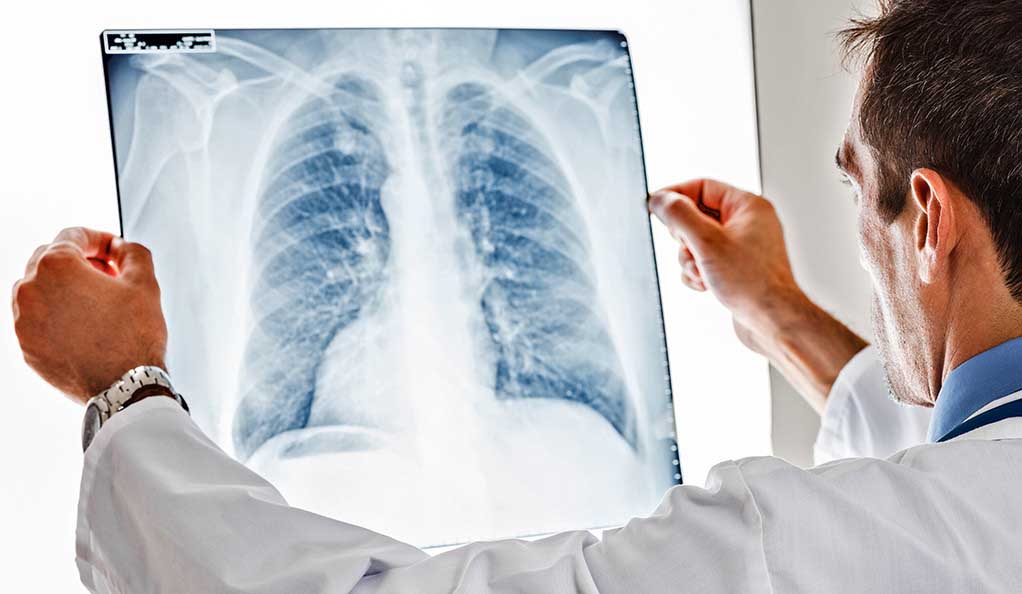
 The risk of lung cancer is high in many people, are you also not included in them? Learn from this article





Lung cancer is a disease caused by the spread of cancer cells in the lungs, which occurs when the cells of the body go out of control. Many people are more prone to lung cancer, due to which they fall prey to this disease. In this article, we will know such people who are at high risk of heart risk and what tests they should get done for it.
If you are addicted to cigarettes, then you may be at the highest risk of getting lung cancer. If you get a checkup done in time and start treatment, then you can avoid a serious condition. Many tests are done to detect cancer, which is necessary to detect cancer, but only certain categories of people are at high risk of cancer in the lungs, according to which they can get treatment from the doctor. If you see symptoms like pain in the chest, shortness of breath, long cough, then you should see a doctor immediately.
Which people are at higher risk of getting lung cancer? (People who are at risk of lung cancer)
If you consume smoking then you will be most likely to get lung cancer, so stop consuming it today.
If you are between 50 and 80, then you may be more likely to get lung cancer.
People who have previously had lung cancer at home are more prone to lung cancer.
Even if you have chronic pulmonary disease or fibrosis, you will have a higher risk of developing lung cancer.
If your radiation therapy is going on due to cancer, then you may be at risk of developing lung cancer.
Even if you have cancer in your head or neck, you may be at an increased risk of developing lung cancer.
If you are more exposed to chemicals then you can get lung cancer.
How is lung cancer screened?
A chest scan, also known as a CT scan or X-ray, is done to detect cancer in the lungs.
For this test to detect cancer, you do not even need to have fasted in advance.
When the scanning process starts, the technician may ask you to hold your breath for a few seconds.
The whole process takes only 5 to 10 minutes, it is not necessary that cancer can be confirmed only through the scanning test, the doctor can also do other tests for this. Doctors also do a biopsy or PET test to detect cancer in the lungs.
How to avoid lung cancer?
To avoid lung cancer, it is necessary to exercise daily. You should do breathing exercises in the fresh air every day, this will keep your lungs healthy. Keep the weight under control and do not consume cholesterol-increasing foods or too much oily food. Include fiber-rich foods and low-glycemic foods in your diet. By keeping BP, thyroid, blood sugar levels under control, you can also keep the lungs healthy. If you are also seeing symptoms of lung cancer, then start treatment as soon as possible and avoid this disease if possible.
(Disclaimer: The content on this site is for informational purposes only, and should not be taken as professional medical advice. Always seek the guidance of your doctor or other health professionals for any questions you may have regarding your health or a medical condition.)





.jpeg)










.jpg)
.jpg)
.jpg)
.jpg)
.jpg)
.jpg)


.jpg)