83% of COVID patients who died in Delhi had co-morbidity: Arvind Kejriwal

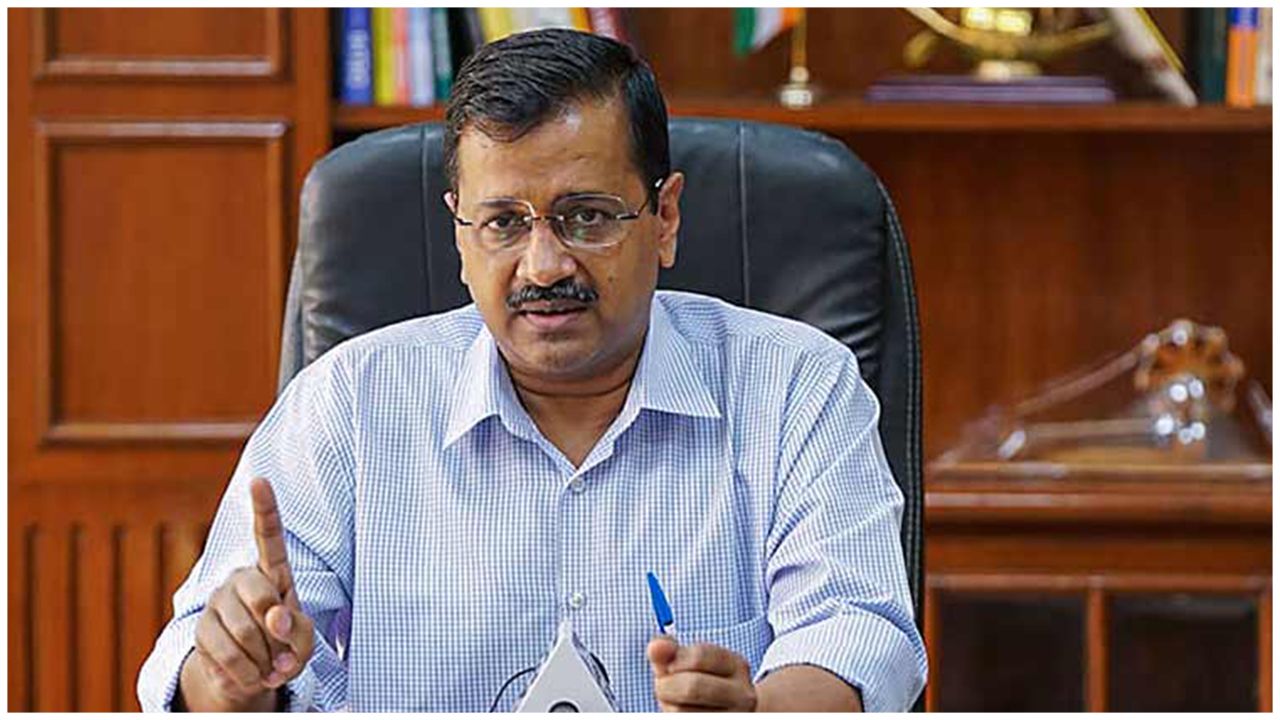
▴ Delhi Chief Minister Arvind Kejriwal
Delhi Cheif Minister Arvind Kejriwal said that 83% of the COVID-19 patients who died had co-morbidity


Delhi Chief Minister Arvind Kejriwal on Tuesday said "We have found that 83 per cent of patients who have died had co-morbidity which me ans serious medical conditions like sugar, blood pressure, kidney disease, cancer etc," he said.
Kejriwal said the government has analysed the deaths due to COVID-19 in Delhi.
"We found that in 80 per cent of the cases the patients were above 50 years old and only 20 per cent were below 50 years. This shows that senior citizens are more at risk.
"We have received reports that in many states the journalists were found positive with COVID-19. Journalists are working in the frontline in this extraordinary time and I salute their courage. This is the time when people need proper information and by risking their life journalists are working round the clock."
From Wednesday, the government will open a centre where any journalist can visit for COVID-19 test.
"I wish no journalist will be found positive with COVID-19 and stay in good health," said Kejriwal.
"As much as 431 people have recovered so far and went back home, 47 people have died and we have 1,603 active cases. On Monday, we collected 1,397 samples which means nearly 1,400 samples and only 78 cases were found positive," said Kejriwal.
Kejriwal also mentioned that to accommodate more people if the number of cases increases the Delhi government has also ordered 60 new ambulances.
Delhi's COVID-19 patient count reached more than 2,150 on Tuesday.


Tags : #Delhi #Positivecases #COVID-19 #Cheifminister #ArvindKejriwal

Related Stories

Loading Please wait...

-Advertisements-


Trending Now

Endometriosis Awareness: Understanding the Silent Condition Affecting Millions of Indian WomenAugust 05, 2026
A Complete Guide to Pregnancy Health Tips for Indian Women: Nutrition, Wellness, and What Every Expectant Mother Should KnowAugust 05, 2026
Why Preventive Healthcare for Children Is One of the Most Important Investments India Can MakeAugust 04, 2026
The Role of Pathology in Healthcare: From Diagnosis to Disease PreventionAugust 04, 2026
Pathophysiology of Psoriatic Arthritis: Clinical Presentation, Joint Damage Mitigation, and BiologicsAugust 04, 2026
Comprehensive Evaluation of Syncope: Cardiac vs. Neurological Origin WorkupsAugust 04, 2026
Common Medical Terms Explained: A Plain-Language Guide for Indian Patients and Healthcare SeekersAugust 03, 2026
Why Radiology Is the Backbone of Modern Medical Diagnosis and TreatmentAugust 03, 2026
Managing Urban Stress: Science-Backed Strategies for Mental Resilience in 2026 August 01, 2026
Managing Chronic Inflammation: The Role of Anti-Inflammatory Indian SuperfoodsAugust 01, 2026
Pathophysiology of Psoriatic Arthritis: Clinical Presentation, Joint Damage Mitigation, and BiologicsAugust 01, 2026
Early Markers of Glaucoma: Structural vs. Functional Ophthalmic Diagnostic ProtocolsAugust 01, 2026
Managing Complex Diabetic Foot Ulcers: Multidisciplinary Wound Care, Offloading, and RevascularizationAugust 01, 2026
The Future of Preventive Medicine: How India Is Moving From Cure to PreventionAugust 01, 2026
Why Young Indians Are Facing Heart Problems: Causes, Symptoms, and PreventionAugust 01, 2026
The Future of Preventive Screening: AI-Driven Early Cancer Detection in IndiaJuly 31, 2026
The Impact of Climate Change on Allergic Respiratory Diseases in Indian Cities July 31, 2026
Electronic Medical Records: What They Are, Why They Matter, and How India Is Embracing ThemJuly 31, 2026
Heatwave Health Risks in India: Symptoms, Treatment, and Prevention StrategiesJuly 31, 2026
Rare Chest Wall Reconstruction at SRM Global Hospital Saves Critically Injured Road Accident VictimJuly 30, 2026