 Thursday, October 08, 2026
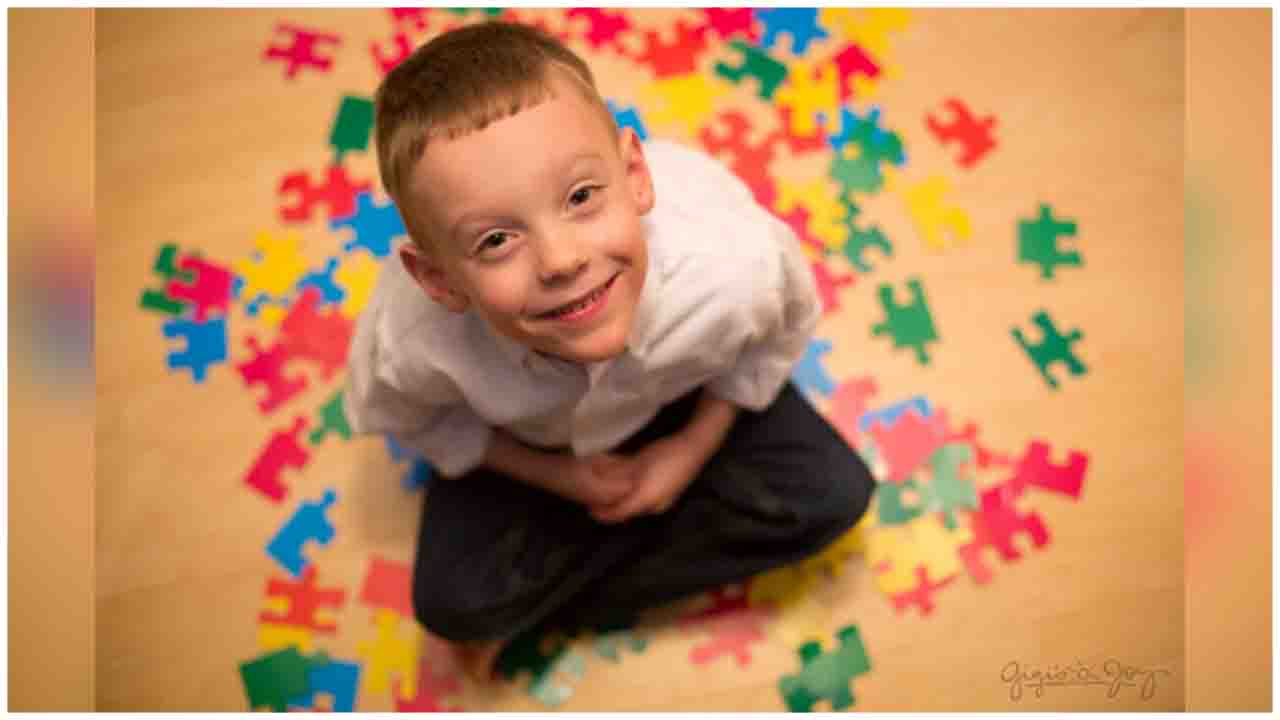
 An establishment of the autism diet is the avoidance of artificial additives. These incorporate additives, colors, and sugars.




Autism spectrum disorder (ASD) is a broad term used to portray issues with communication and social collaboration. Children with ASD frequently exhibit restricted, repetitive, and stereotyped interests or patterns of behavior, they get all of the information, but they are not able to make sense of it all. Their ears hear normally, but their brain cannot understand what others are saying. Sometimes, sounds that we like are far too loud to them. Their eyes see normally, but some things seem to hurt their eyes, and some things seem to be very interesting. Sometimes they are so interested in looking at something that they do not notice what else is going on around them. ASD is found in people the world over, paying little mind to race, culture, or financial foundation. As per the Centers for Disease Control and Prevention (CDC), autism happens more regularly in young men than in young ladies, with a 4 to 1 male-to-female proportion.
What are the indications of autism?
Autism side effects commonly become plainly obvious during youth, somewhere in the range of 12 and two years old enough. In any case, manifestations may likewise show up prior or later. Early indications may remember a checked postponement for language or social turn of events. The DSM-5 partitions manifestations of mental imbalance into two classifications: issues with communication and social collaboration, and confined or monotonous examples of conduct or exercises.
Issues with communication and social interaction include:
- Issues with communication, including troubles sharing feelings, sharing interests, or keeping up a to and fro discussion
- issues with nonverbal communication, for example, inconvenience keeping in touch or perusing non-verbal communication
- difficulties creating and looking after connections
Restricted or repetitive examples of behavior or activities include:
- Repetitive developments, movements, or discourse designs
- Rigid adherence to explicit schedules or practices
- An increment or decline in affectability to explicit tangible data from their environmental factors, for example, a negative response to a particular sound
- Fixated interests or distractions
People are assessed so as to get an ASD to find, an individual must show each of the three side effects.
What causes autism?
People who have autism are born with it, but the signs that they are having problems usually do not show up until they are at least a year or elder. The specific reason for ASD is unknown. Recent research shows that there's no single reason. A portion of the presumed chance variables for mental imbalance include:
- having a close relative with autism
- genetic transformations
- fragile X condition and other hereditary issues
- being destined to more seasoned guardians
- low birth weight
- metabolic irregular characteristics
- exposure to substantial metals and natural poisons
- a history of viral diseases
- fetal exposure to the drugs valproic corrosive (Depakene) or thalidomide (Thalomid)
What tests are utilized to analyze autism?
Note that screening isn't a conclusion. Kids who screen decidedly for ASD don't really have the disorder. Moreover, screenings here and there don't recognize each kid that has ASD.
Different screenings and tests
Your kid's doctor may suggest a blend of tests for autism, including:
- DNA testing for hereditary sicknesses
- behavioral assessment
- visual and sound tests to preclude any issues with vision and hearing that aren't identified with a mental imbalance
- occupational treatment screening
- developmental polls, for example, the Autism Diagnostic Observation Schedule (ADOS)
Diagnoses are ordinarily made by a group of specialists. This group may incorporate youngster analysts, word related specialists, or discourse and language pathologists.
How is autism treated?
There are no "fixes" for autism, yet treatments and other treatment contemplations can assist individuals with feeling much improved or mitigate their side effects. Numerous treatment approaches include treatments, for example:
- behavioral treatment
- play treatment
- occupational treatment
- physical treatment
- speech treatment
- Back rubs, weighted covers and garments, and reflection methods may likewise actuate loosening up impacts. However, treatment results will vary.
How you can help?
If you have someone in your family or a friend who has autism, you can help by:
- being caring when he is having problems understanding
- explaining to others that he is autistic when they get upset by his unusual behavior
- being a good friend
- accepting that he is different
- not getting upset if he doesn't want to do something with you and other friends
- staying calm and explaining when his behavior is inappropriate
- not teasing or allowing others to tease him
- praising him when he does something well
- always calling him by the same name or a nickname that he likes
- always keep your promises
- don't borrow things from him
- don't tease or be sarcastic - he may not understand that you are just kidding
- be early if you are meeting your friend somewhere. He could be very upset if you are not on time.
- be very clear about making arrangements to meet. Say exactly where and when.
Can diet help to calm down the effect of autism?
There's no particular eating routine intended for individuals with ASD. By and by, some autism advocates are investigating dietary changes as an approach to help limit social issues and increment generally speaking personal satisfaction.
An establishment of the autism diet is the avoidance of artificial additives. These incorporate additives, colors, and sugars.
An autism diet may rather concentrate on whole foods, for example,
- fresh foods like vegetables and fruits
- lean poultry
- fish
- unsaturated fats
- lots of water
Some autism experts advocate embracing a sans gluten diet. The protein gluten is found in wheat, grain, and different grains. Those backers accept that gluten makes aggravation and antagonistic substantial responses in specific individuals with ASD. Be that as it may, the logical examination is uncertain on the connection between chemical imbalance, gluten, and another protein known as casein. A few examinations, and recounted proof, have proposed that diet can help improve side effects of attention deficit hyperactivity disorder (ADHD), a condition like autism.
How does autism influence kids?
Youngsters with autism may not arrive at indistinguishable formative achievements from their companions, or they may show loss of social or language abilities recently created. For example, a 2-year-old without autism may show enthusiasm for basic rounds of pretend. A 2-year-old without autism may appreciate participating in exercises with other kids. A kid with autism may experience difficulty cooperating with others or abhorrence it by and large.
Youngsters with autism may likewise take part in repetitive behaviors, experience issues sleeping, or compulsively eat nonfood things. They may think that it’s difficult to flourish without an organized domain or steady daily schedule. On the off chance that your kid has autism, you may need to work intimately with their educators to guarantee they prevail in the study hall.
Numerous assets are accessible to assist youngsters with autism just as their friends and family.
Nearby care groups can be found through the national charitable The Autism Society. The association Autism Speaks additionally gives focused on tool boxes proposed to the guardians, kin, grandparents, and companions of youngsters with autism.
Living with someone who has autism can be challenging. Everyone needs to feel cared for and loved. If you have someone in your family or in your knowledge who is autistic, you can help him by being encouraging and caring. It is not cool to be unkind to someone who is 'different'.





.jpeg)










.jpg)
.jpg)
.jpg)
.jpg)
.jpg)
.jpg)


.jpg)