 Thursday, October 08, 2026
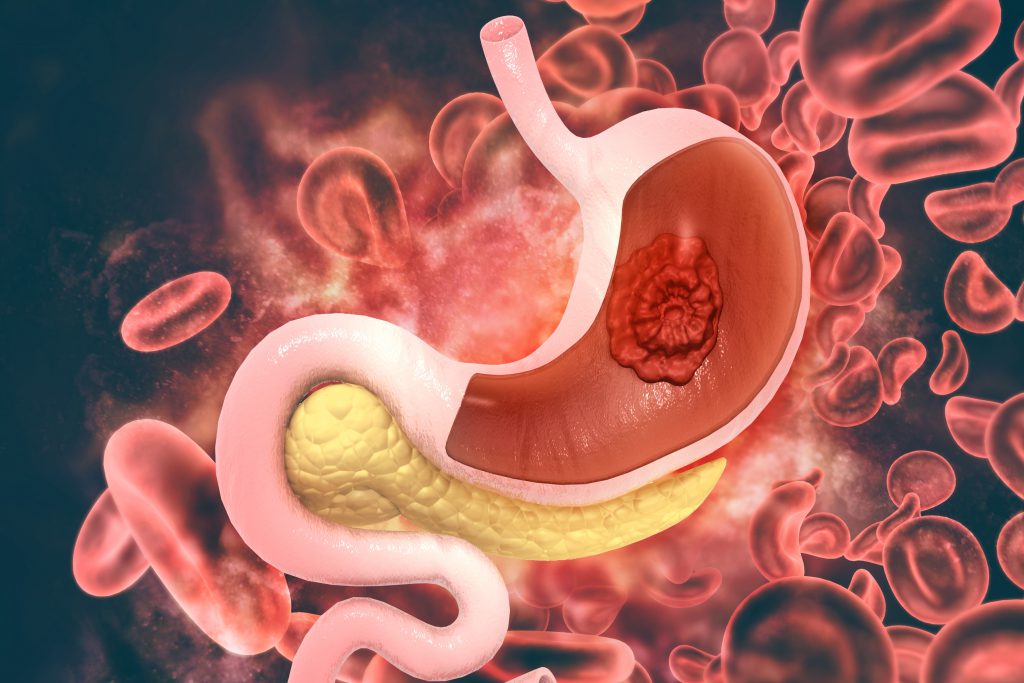
 Gastric cancer needs special attention when you are at a higher risk factor of developing it. You must be aware of the possible signs, symptoms, and risk factors beforehand to defeat gastric cancer at an early stage





Cancer of the stomach is called gastric cancer. Gastric adenocarcinoma is the most common gastric cancer of the stomach as it arises from the gastric cells lining the inner layer of the stomach. The main risk factor associated with gastric cancer is the infection with the bacterium, Helicobacter pylori which need to be treated with antibiotics. There has been an increase in the incidence of H.pylori infection leading to cases of gastric cancer worldwide in many nations over the past decade.
Recurrent H.Pylori infection should be controlled
The incidence of gastric cancer is quite high in some countries especially in people who are prone to eat outside food and junk fatty food. Early screening is a must in such cases. Early detection programs should be in place and included in routine check-ups to lower the incidence of gastric cancer. Since gastric cancer is generally detected at a later stage, early screening is very important in patients with recurrent H. pylori infection.
Surgery is the only solution to gastric cancer
Surgery is the main treatment for gastric cancer. Two main factors affect the surgical reasons for gastric cancer namely:
The site of cancer: localized or spreading The depth and penetration of cancer into the stomach lining The extent of spreading cancer into adjacent lymph nodesSymptoms of Gastric Cancer
Patients with gastric cancer may experience signs and symptoms at quite a later stage. Sometimes, people with gastric cancer may show mild symptoms which they tend to ignore. The cause and symptom of gastric cancer may mimic other gastric disturbances and should not be ignored at an early stage. Regular screening is must as gastric cancer is a silent killer and needs special attention. Here are the important signs and symptoms which must be taken into consideration:
Indigestion Heartburn Vomiting Nausea Pain or discomfort on the abdomen Diarrhea Constipation Acidity Flatulence Bloating after meals Loss of appetite Fever Fatigue Malaise Generalized weakness Sensation as food get stuck in the throat Unexplained weight loss Vomiting blood Blood in stools Low Hb countRisk Factors for gastric cancer
A risk factor is the main cause behind the disease which increases the chances of developing cancer. Risk factors may be the influential factor that may predispose you to gastric cancer or make you more prone to developing cancer. Most gastric cancers develop sporadically having no reason and can develop at any point in time without having any unknown reason. Some risk factors must be taken into consideration as those mentioned below:
Age: Gastric cancers occur in people who are over the age of 55 years. Most people are diagnosed with cancer when they lose the ability to fight it at the age of 60 or 70.
Gender: Man is more likely to develop than women
Family history or genetics: If any one of your family members has gastric cancer, then the chances of developing gastric cancer increase.
Alcohol: If you are an alcoholic you have a higher chance of developing gastric cancer.
Tobacco: Long-term use of tobacco increases the chances of gastric cancer.
Smoking : Smoking cigarettes or being a chain smoker increases the chances of gastric cancer
Obesity: If you are on a higher side of weight or having more central obesity, your chances of gastric cancer increases.
Bacteria: Helicobacter pylori causes stomach inflammation and causes ulcers. H .pylori infection increases chances of cancer
Prevention is the right solution to cancer
It is important to take precautions and call for action when the above signs and symptoms develop. Special attention must be given to minor symptoms if they are occurring for a long time. Do not delay it and act before its too late. Regular screening can help with the detection of cancer at an early stage. So initiating and taking preventive measures for avoiding risk factors can help you with gastric cancer.





.jpeg)








.jpg)
.jpg)
.jpg)
.jpg)
.jpg)
.jpg)


.jpg)
.jpg)
.jpg)