Wednesday, October 07, 2026
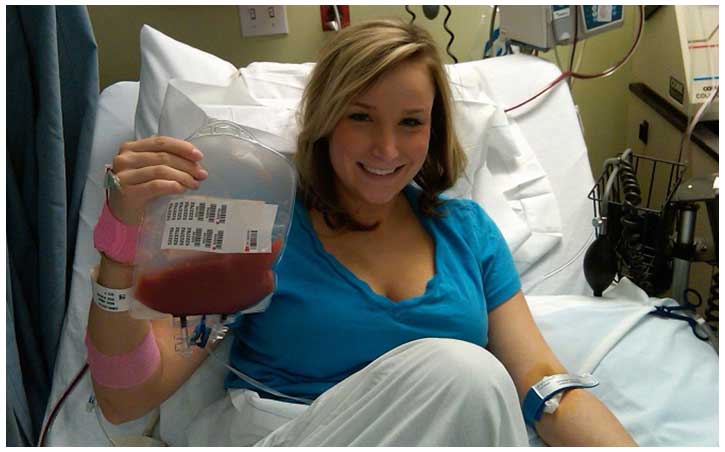
 Stem cell donation or stem cell therapy is considered very useful in the disease of blood cancer. Stem Cell Donation is a panacea for blood cancer patients, using which the lives of patients are also saved. Let us know in detail about stem cell therapy or stem cell donation.




In today's time, due to poor lifestyle and diet, the disease of cancer is spreading rapidly among people. Timely treatment Early treatment when symptoms of cancer reduce the risk of the patient becoming serious. According to one figure, blood cancer accounts for about 8 percent of the total cancer cases across the country. Blood cancer is a deadly form of cancer disease in which the patient may need a variety of specialized treatments.
What is a Stem Cell Donation?
Stem cell donation or stem cell therapy is considered a panacea for blood cancer patients. It is also used as a sole treatment in diseases like Thalassemia and Aplastic Anemia. In stem cell donation, donor blood is given to the patient. 300 ml of a seed present in the blood called stem cells is a panacea for any patient. Stem cells are found in the bone marrow present inside the body. Stem cells help in the production of blood in the body. It is present in the blood. The process of donating it is exactly like donating blood. It can be easily donated and there is no harm in doing stem cell donation.
For whom is stem cell donation done?
Stem cell donation is mostly done for blood cancer patients. Apart from this, stem cell therapy is also used in aplastic anemia, thalassemia, and sickle cell disease. Stem cell therapy is considered the only treatment in the disease of thalassemia and aplastic anemia. This therapy is considered a panacea for blood cancer patients.
How can I do Stem Cell Donation?
To do stem cell donation, first, you have to register yourself as a donor. Healthy humans between the ages of 18 and 50 can donate stem cells. Your doctor may also do a health test before making a stem cell donation. After registering, you are given a swab kit through which you take a sample of your mouth and send it to the given address. After testing this sample, if the patient's blood group matches with your blood group, then you are called for stem cell donation. This facility is also available in many hospitals. It is a completely safe and non-harm donation. Just as donating blood does not have any serious effect on your body, in the same way, there is no effect on your health even after stem cell donation.
Blood Cancer Treatment
Apart from stem cell therapy, blood cancer is also treated with these methods.
For blood cancer, stem cell transplantation means that stem cells from the bone marrow collect peripheral blood and infuse it with healthy blood-forming cells.
Cancer cells are eliminated through radiation therapy and radiation therapy is advised by the doctor before stem cell transplant.
You should first consult an expert doctor for stem cell donation. Hospitals and many organizations provide stem cell donation, you can also contact them.
(Disclaimer: The content on this site is for informational purposes only, and should not be taken as professional medical advice. Always seek the guidance of your doctor or other health professionals for any questions you may have regarding your health or a medical condition.)





.jpeg)




.jpg)
.jpg)
.jpg)
.jpg)
.jpg)
.jpg)


.jpg)
.jpg)
.jpg)
.jpg)
.jpg)
.jpg)