 Thursday, November 19, 2026
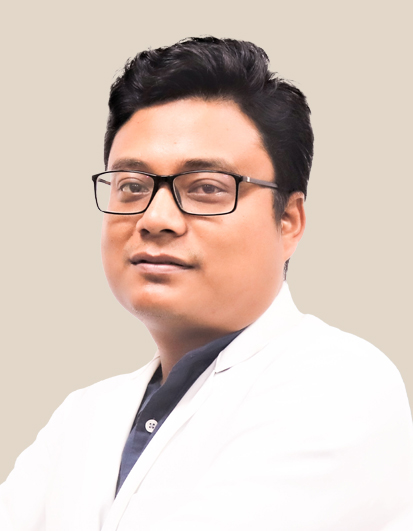
 Both patients have now resumed their normal lives, free of disease, underscoring the importance of advanced medical care and cutting-edge treatments available at AOI Imphal.





Imphal, Oct 28, 2024 – American Oncology Institute (AOI) in Imphal has successfully treated two patients with advanced thyroid cancer, marking a major achievement in combating a condition that has been rising rapidly, especially among East Asian populations and in northeast India.
Thyroid cancer is the most common malignant tumor of the endocrine (hormone) system, with approximately 570,000 cases reported annually worldwide. This rising incidence is particularly notable among women in East Asia, where the rate has increased tenfold over the last two decades. The northeastern region of India, sharing genetic and ethnic ties with southeast Asia, has been increasingly affected by this trend.
AOI Imphal is proud to share the stories of two patients who, despite facing aggressive forms of thyroid cancer, have successfully achieved full recovery with the cutting-edge care provided at AOI. A patient aged 43-year-old, news anchor experienced hoarseness and trouble swallowing. A CT scan revealed multiple thyroid nodules, with the largest, measuring 4 cm, pressing against his windpipe and esophagus. The other patient, a 67-year-old woman, had severe lower back pain for two years before being diagnosed with advanced follicular thyroid cancer. An MRI showed bone lesions from cancer spread, and a PET-CT scan detected a thyroid nodule with affected neck lymph nodes.
Harish Trivedi, CEO, CTSI – South Asia, echoed this sentiment, “Our commitment is to deliver world-class Cancer Care to the region, and this outcome reflects the exceptional quality of treatment provided at AOI. While thyroid cancer rates continue to rise, so do the advancements in care that enable patients to lead healthier lives. We are honored to serve as a source of hope for cancer patients throughout northeastern India.”
Both patients underwent comprehensive thyroidectomy surgeries (removal of the thyroid gland) at AOI Imphal, followed by radioactive iodine therapy. After six months, whole-body iodine scans confirmed that both patients had achieved a complete response, with no evidence of disease.
“Our multidisciplinary approach is what truly sets us apart,” said Dr Amit Dhawan, Regional Chief Operating Officer (RCOO) of AOI. “These patients had aggressive and advanced-stage cancers, our surgical and nuclear medicine teams both achieved complete remission with combined efforts. We are thrilled to have been able to deliver this level of care to the people of northeastern India.”
Dr Dhaneshwor Naorem, Consultant Head & Neck Onco-Surgery, AOI Imphal further emphasized the importance of early detection and comprehensive treatment in thyroid cancer management. "Thyroid cancer, unlike many other forms of cancer, is often curable even at an advanced stage when managed properly. Our ability to combine surgical expertise with radioactive iodine therapy plays a critical role in achieving successful outcomes."
The success of these cases highlights the vital role of AOI Imphal in the region's healthcare landscape. “With thyroid cancer cases rising at such a rapid rate, particularly in areas like northeast India, our mission is to not only treat patients but also educate the public about the importance of early detection,” said Dr Dhawan. “We are here to offer comprehensive Cancer Care services that make a real difference in patients' lives.”
Both patients have now resumed their normal lives, free of disease, underscoring the importance of advanced medical care and cutting-edge treatments available at AOI Imphal. Their successful outcomes stand as a beacon of hope for those battling thyroid cancer and other complex malignancies in the region.





-23-300x250.png)





















