Wednesday, October 07, 2026
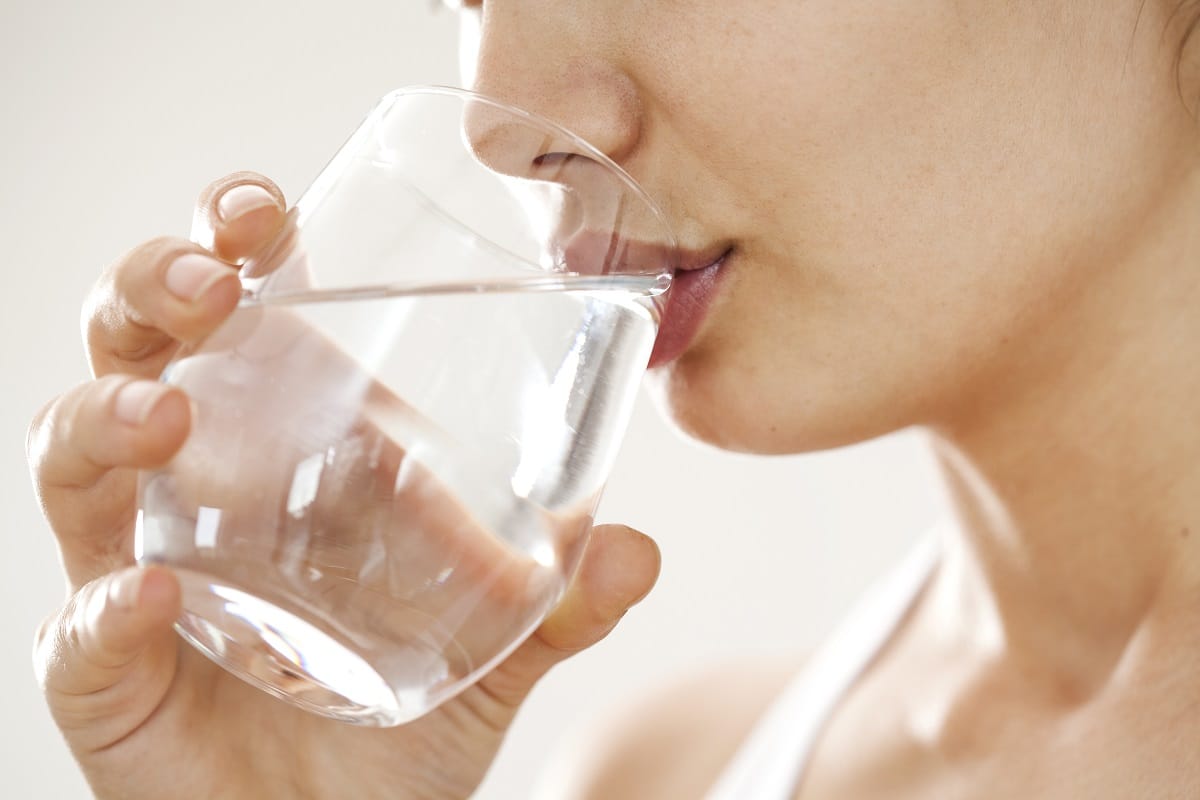
 According to Ayurveda, earthen pots and copper pots are best for storing and having water





Not just food, even the water you consume has to be digested. Though you can have and store water any way you like, Ayurveda recommends a certain way of storing water to obtain maximum health benefits from it. Not just this, even the shape of the container in which the water is stored is also very important.
Earthen pot –
Earthen pots have air spaces that keep the water fresh and cool for hours. It helps in reducing acidity and skin problems. Not just this, water stored in an earthen pot improves vitality and strength. Most of the food that we eat becomes acidic in the body and creates toxins. Clay is alkaline in nature, which interacts with acidic foods and provides an adequate pH balance. This helps in keeping the acidity and gastric related problems at bay. This water is devoid of any kind of chemicals and thus drinking clay pot water helps in boosting metabolism. It's best to drink water from a clay pot during monsoon as it's gentle on the throat and has an ideal temperature that does not aggravate one's cough and cold. To make the pot more durable, soak it in water for an hour before using it for the first time. If you are using an earthen pot for cooking, do not use them on high flame as that can break the utensil. No soap or chemical liquid should be used to wash the utensil. Use lemon and hot water to clean the pot. Having water stored in earthen pots enhances digestive fire and balances the doshas.The best temperature to drink water is at room temperature, which is 20 degrees Celsius. Water at this temperature provides you with maximum hydration. Ice-cold water is never recommended. The logic is that the ice-cold will put out the digestive fire and cause disturbances in the digestion process itself.
Ingredients that can make water more detoxifying – Lemon, mint, cucumber, ginger
Copper pots –
Copper is a known antioxidant, which means it fights off the free radicals and negates their negative effects. Free radicals and their harmful effects have been a major cause of cancer. Copper also protects one from harmful UV rays. It is good for people suffering from hypertension. This is because copper deficiency can lead to the development of hypertension. The trace amount of copper is critical for the regulation of blood pressure in a person. Copper also plays a vital role in dissolving the excess fat deposition in the human body and helps reduce weight. Copper helps keep the body in a fat-burning situation even when the individual is in resting mode. But too much copper can also cause poisoning. But one should not be using copper vessels in case they have bleeding disorders. Do not keep any warm liquids or food in the copper vessels. Ayurveda also recommends having only round vessels in the kitchen.




.jpeg)




.jpg)
.jpg)
.jpg)
.jpg)
.jpg)
.jpg)


.jpg)
.jpg)
.jpg)
.jpg)
.jpg)
.jpg)