Monday, October 26, 2026
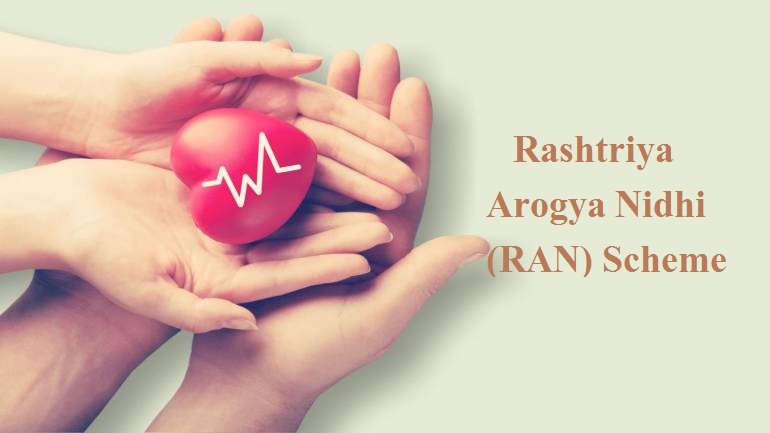
 Rashtriya Arogya Nidhi (RAN) is a commendable initiative by India's Ministry of Health and Family Welfare. It aids impoverished individuals in dire need of expensive medical care. Let's support this vital cause for a healthier nation.




The Rashtriya Arogya Nidhi (RAN) is a vital component of India's healthcare initiatives, aiming to bridge the gap in access to healthcare services for those in need. This umbrella scheme, administered by the Ministry of Health and Family Welfare, offers financial assistance to individuals facing life-threatening diseases and requiring high-cost medical treatments.
Here are the key elements of the RAN scheme:
1. Financial Assistance for Life-Threatening Diseases: RAN primarily focuses on supporting individuals suffering from life-threatening diseases, such as cancer, heart disease, and organ failure. It provides financial assistance for specialized treatments and surgeries, which can be prohibitively expensive.
2. Eligibility Criteria: RAN primarily targets individuals living below the poverty line (BPL). Eligibility is determined based on socioeconomic factors, and beneficiaries are often identified in collaboration with healthcare institutions and authorities.
3. Empanelled Hospitals: The scheme collaborates with various empanelled hospitals and healthcare institutions across India. These hospitals are equipped to provide specialized medical treatments, and RAN covers the cost of these treatments.
4. Application Process: Individuals seeking assistance under RAN can apply through designated healthcare institutions or hospitals. The application process typically involves submitting relevant medical documents and income-related information.
5. Funding Support: The Rashtriya Arogya Nidhi is funded by the government and operates as a critical source of financial support for patients who might otherwise be unable to afford life-saving medical procedures.
6. Transparent and Accountable: The scheme maintains transparency in its operations and is accountable for its financial disbursements. It ensures that the financial assistance reaches the intended beneficiaries.
7. Collaboration with State Governments: RAN collaborates with state governments to extend its reach and impact. State governments often work in tandem with the central government to identify eligible beneficiaries and facilitate the treatment process.
How to Apply for Rashtriya Arogya Nidhi (RAN) Assistance
Applying for financial assistance under the Rashtriya Arogya Nidhi (RAN) scheme is a straightforward process, but it requires attention to detail to ensure that you meet the eligibility criteria.
Here's a step-by-step guide on how to apply for RAN assistance:
Step 1: Verify eligibility based on income, diagnosis, and government-defined criteria.
Step 2: Collect identity, medical reports, income proof, and additional documents.
Step 3: Visit the scheduled hospital, submit documents, and express intent to apply.
Step 4: Await application review by hospital staff.
Step 5: Upon approval, receive confirmation of financial assistance.
Step 6: Access life-saving treatment within the approved financial limit.
In conclusion, The Rashtriya Arogya Nidhi (RAN) plays a crucial role in providing a lifeline to individuals facing daunting healthcare challenges. Offering financial support for costly medical treatments, it aims to ensure that life-saving interventions are accessible to those who need them the most, regardless of their financial circumstances. RAN exemplifies the commitment of the Indian government to equitable healthcare access and its dedication to saving lives in times of medical crisis.




-23-300x250.png)

.jpeg)





.jpg)
.jpg)
.jpg)
.jpg)
.jpg)
.jpg)
.jpg)
.jpg)
.jpg)