 Thursday, October 08, 2026
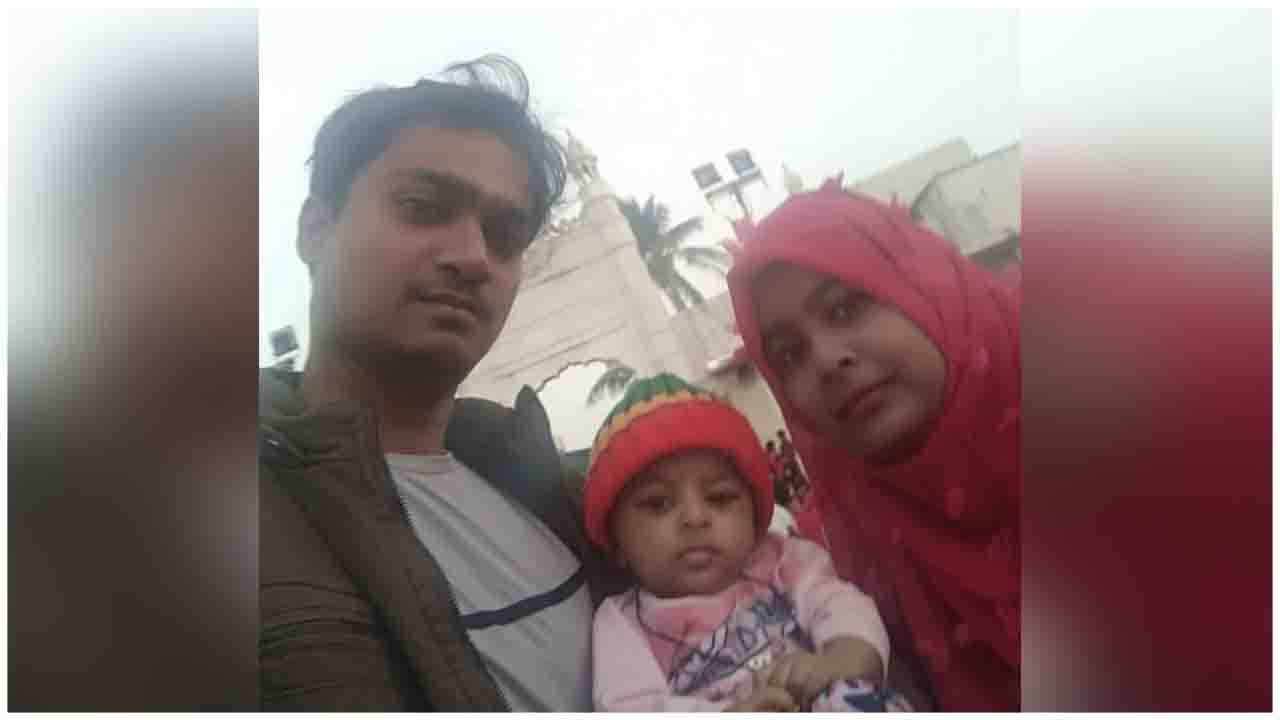
 A team of specialist surgeons successfully operated on the 9-month old baby at Apollo Hospitals, Navi Mumbai.




A team of specialist surgeons successfully operated on a 9-month old baby at Apollo Hospitals, Navi Mumbai. The child was presented on May 3rd with complaints of lethargy, irritability, and failure to thrive since birth, and was diagnosed with a rare genetic disorder of the parathyroid glands known as Neonatal Severe Hyperparathyroidism that causes loss of regulation of calcium levels. Dr. Anil K D’Cruz, Director, Oncology, and a specialist in Thyroid & Parathyroid surgery along with a team of specialists performed the complex surgery. Post the successful surgery on May 6th, the child is making steady progress, is less irritable and more active than ever. He was discharged on May 8th.
Dr. Anil K D’Cruz, Director, Oncology, Apollo Hospitals Group said, “Neonatal severe hyperparathyroidism is a rare and potentially lethal condition with only a handful of cases reported globally. While surgery offers good prognosis, the challenge was in the diagnosis given the rarity of the condition. We also needed to bring down the calcium levels with medical treatment to optimize the child for surgery. The surgery is complex due to the miniscule size, translucent colour, critical and variable position of the parathyroid glands in children that makes it difficult to locate them. However, we were successfully able to remove the abnormal glands and use a special technique of Auto Transplantation of a small bit of parathyroid to improve long-term prognosis. This will help make him less dependent on calcium replacement as he grows.”
The parathyroid is responsible for regulating calcium levels in the body. When the body has low calcium, the parathyroid secretes parathormone (PTH) which mobilizes calcium from the bone, increases absorption from intestines, and prevents excretion from the kidney to maintain calcium levels. A normal feedback mechanism stops the PTH secretion when the calcium levels return to normal. However, in rare cases such as Neonatal Severe Hyperparathyroidism, a fault in a single gene eliminates this feedback mechanism, which results in extremely high calcium and PTH levels. Surgery is required to remove the abnormal glands, which is technically challenging in the neonate and has high risk. This is due to difficultly in locating the parathyroid, which is close to critical structures in the neck including the nerves that supply the voice box, which are as fine as the human hair and if damaged, will result in permanent loss of voice. After removal of the abnormal glands as confirmed by the Pathologist during surgery, the PTH and calcium levels return to normal. Intensive ICU monitoring is required in the immediate post-operative period as it is a critical period which can be life threatening.
The child’s father, Mohd. Mudassir Ansari said “My son Konain, was suffering from high fever when he was six months old. He was first diagnosed with pneumonia and discharged after three days of treatment at a private hospital. He wasn’t getting any better so we took a blood test where the doctors observed very high levels on Calcium in his body and was later diagnosed with Parathyrodism / hypercalcemia. We were recommended a surgery, so we came to Apollo Hospitals Navi Mumbai. Post his surgery, Konain has started recovering steadily and I would like to thank the hospital for their service during this lockdown.”
Commenting on this outstanding achievement Santosh Marathe, COO & Unit Head, Apollo Hospitals, Navi Mumbai, said, “Apollo Cancer Centre, is redefining cancer care in the region with organ specific protocols, expertise, and technology. The Hospital offers comprehensive cancer care with personalised approach which has helped in improved outcomes and quality of life for the patients. Every year India reports more than a million new cancer cases and better accessibility for cancer care with advanced technologies needs added attention. We also focus on early screening and detection with multi-disciplinary reviews undertaken with tumour board participation.”






.jpeg)










.jpg)
.jpg)
.jpg)
.jpg)
.jpg)
.jpg)


.jpg)