 Thursday, October 08, 2026
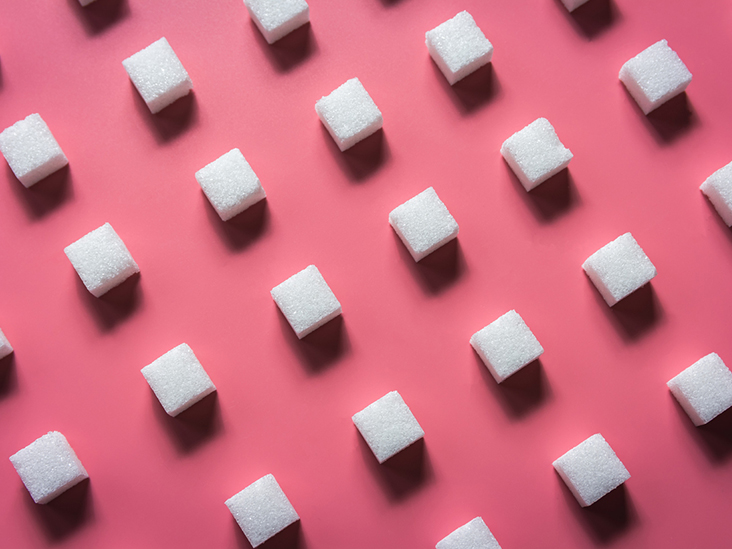
 Artificial sweeteners are low calories sweeteners. They have several pros and cons. Read on to know more about it.





Sticking to your diet when you are out for a party, occasion or celebration can be really tough. All you can do is watch your friend/relatives/colleagues gorging on delicious food items. Sweets are something that makes our mouths watery, we really crave them but can’t have them. This leads to the emergence of artificial sweeteners that are low-calorie sweeteners. But are they really good? Find out here
Common artificial sweeteners
There are 4 major types of sweeteners
Saccharin – Sold under the brand names sweet and low and sugar-free. It is almost 300 times sweeter than natural sugar. The biggest advantage is it is not affected by heat. Contains no calories hence good for managing blood sugar.
Aspartame – Sold with the brand name equal or sugar-free gold. It is a combination of amino acids – aspartic acid and phenylalanine with menthol. Aspartame is about 180 times sweeter than sugar. This sweetener has slow onset as well as a longer taste. 1 gm of aspartame = 4 calories.
Stevia – It is an organic sweetener. Sold with the brand name – Be Stevia, Sunova, Steviocal. Stevia-based sweeteners have been recognized as safe. It is 250 to even 300 times sweeter than sugar, though it leaves a bitter after-taste in the mouth. It is free of calories and a healthy alternative to sugar.
Sucralose – It is available as Sugar-free Natura. It is almost 600 times sweeter than regular sugar and comes from sugar cane extracts. Sucralose has no calories, so if effective for those looking to lose weight.
Benefits
People with diabetes are bound to take low calories diet, so these sweeteners low in calories could actually help them get a taste of their favorite sweet indulgences without the guilt.
Effective in weight loss as they are low in calories. Through this, dieters will be able to control their sweet temptations better, without spoiling their diet.
Drawback
Recent studies show that artificial sweeteners are actually harmful to health. They lack nutritional content and also contain phosphoric acid (increase risk of bone loss later in life).
This causes habit-forming on regular consumption. This could increase your taste for sweet drinks and foods over the years. Then you will have to consume a larger size to control your cravings.
Artificial sweeteners are linked with – cancer, mood swings, headache, dizziness, allergic reactions, depression, fatigue.
Therefore, it is better to eat a small portion of food with regular sugar than to consume something that contains artificial and low-calorie sweeteners.
Disclaimer: The content on this site is for informational purposes only, and should not be taken as professional medical advice. Always seek the guidance of your doctor or other health professionals for any questions you may have regarding your health or a medical condition.





.jpeg)










.jpg)
.jpg)
.jpg)
.jpg)
.jpg)
.jpg)


.jpg)