 Thursday, October 08, 2026
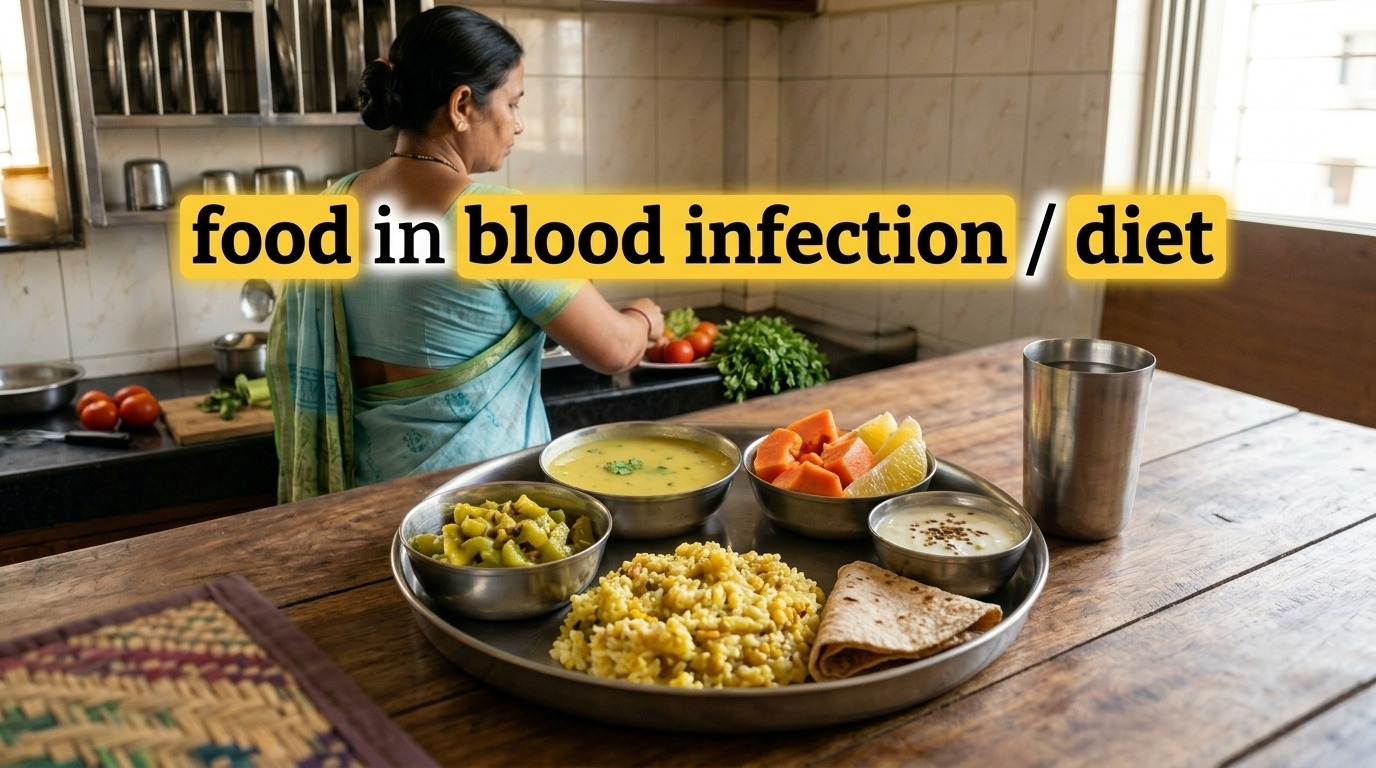
 Choosing the right blood infection food with balanced meals, fruits, and proper water intake supports recovery and improves overall health. Including best fruits for blood infection and low oil, easy to digest food helps maintain strength and supports the body during healing.





Best Diet for Blood Infection Recovery
When the body is dealing with an infection in the bloodstream, recovery depends on more than just treatment. Nutrition plays a quiet but powerful role. Choosing the right blood infection food can support healing, improve strength, and help the body respond better during recovery. Many people focus only on medication, but what you eat daily influences how the body repairs itself. Understanding blood infection food to eat is not about strict rules, but about making supportive, balanced choices that help the body regain stability.
Why Diet Matters During a Blood Infection
As per the expert doctors, the blood infection places stress on the body’s systems, especially immunity and energy levels. During this phase, the body works continuously to fight harmful organisms, which increases nutritional demand. This is where best food for blood infection becomes important.
The body needs nutrients not only for energy but also for rebuilding tissues and maintaining internal balance. Low appetite, fatigue, and digestive changes are common during such conditions. In real-life scenarios, patients often eat less or skip meals, which slows recovery.
Choosing food for blood infection patient should focus on easy digestion and nutrient density. Foods that are too heavy, oily, or spicy can increase discomfort and reduce nutrient absorption. On the other hand, balanced meals with hydration and simple ingredients support internal processes without adding stress.
The idea is not just to eat more, but to eat smarter. Even small portions of good food for blood infection can make a difference when chosen carefully.
How the Body Responds to Food During Infection
During a blood infection, the digestive system often becomes more sensitive. Appetite may decrease, and certain foods may feel difficult to tolerate. This is a natural response as the body prioritizes fighting infection over digestion.
This is why blood infection treatment food should focus on simplicity and balance. Low oil food, mild flavors, and easy-to-digest meals are more suitable. For example, soft rice, boiled vegetables, and light soups are often better tolerated than heavy meals.
Hydration also becomes critical. Increased water intake helps maintain circulation and supports the body’s natural detox processes. In many cases, dehydration can slow recovery, making fluid intake just as important as solid food.
The gut also plays a role here. A stable gut environment supports immunity. This is where veg food and fiber-rich options contribute to overall balance without overwhelming the digestive system.
Best Food for Blood Infection That Supports Recovery
Choosing the best food for blood infection involves understanding what the body needs during recovery. It is not about strict diets, but about selecting foods that provide strength without causing discomfort.
Supportive Food Choices for Recovery
- Light and nutrient-rich meals support energy without burdening digestion
Soft foods like boiled vegetables, rice, and light lentils provide steady nutrition. These options are easy to digest and help maintain energy levels. Including such meals regularly ensures the body receives nutrients without adding stress. - Low oil and low spice food helps reduce internal irritation
Heavy and spicy foods can make digestion difficult. Choosing low oil food and mild flavors helps maintain comfort and supports healing. This approach is especially helpful when appetite is low. - Hydration supports circulation and nutrient transport
Adequate water intake helps maintain fluid balance and supports the body’s natural processes. It also helps in reducing fatigue and maintaining overall stability. - Balanced veg food supports gut health and immunity
Simple veg food options provide vitamins and fiber without overwhelming digestion. These foods support the gut microbiome and improve overall recovery.
These food choices form the foundation of food good for blood infection and help maintain consistency during recovery.
Role of Fruits in Blood Infection Recovery
Fruits play a key role in recovery because they are light, hydrating, and rich in essential nutrients. Choosing the right fruits for blood infection can support energy levels and improve digestion.
Best Fruits for Blood Infection and Their Benefits
- Water-rich fruits support hydration and energy
Fruits like watermelon and oranges help maintain hydration while providing natural sugars for energy. These are often considered best fruits for blood infection because they are easy to consume. - Soft fruits support digestion without discomfort
Bananas and similar fruits are gentle on the stomach and provide steady nutrition. These are commonly included in blood infection treatment fruits due to their ease of digestion. - Vitamin-rich fruits support immune response
Fruits containing essential vitamins help the body respond better to infection. They support recovery by strengthening the body’s natural defense system.
Including fruits regularly as part of blood infection food to eat helps maintain balance and provides variety in the diet.
Foods to Avoid During Blood Infection
Just as important as choosing the right foods is understanding food to avoid blood infection conditions.
Heavy, oily meals can slow digestion and increase discomfort. Spicy foods may irritate the stomach, especially when appetite is already low. Processed foods often lack essential nutrients and may not support recovery effectively.
In real-life scenarios, people often rely on convenience foods when feeling unwell. However, these choices may delay recovery. Avoiding such foods helps the body focus on healing rather than processing difficult meals.
Maintaining a simple, balanced diet is often more effective than trying complex or restrictive eating patterns.
Practical Eating Patterns That Support Recovery
Beyond food choices, eating habits also influence recovery. Small, frequent meals are often easier to manage than large portions. This approach helps maintain energy without overwhelming the digestive system.
Timing also matters. Eating at regular intervals supports digestion and helps the body maintain a stable routine. Skipping meals or irregular eating can increase fatigue and slow recovery.
Including light snacks like fruits or simple meals between main meals helps maintain energy levels. This is particularly helpful for individuals with reduced appetite.
These patterns form the practical side of blood infection treatment food and help maintain consistency.
Challenges in Maintaining a Proper Diet During Infection
One of the biggest challenges is reduced appetite. Many individuals do not feel like eating, which leads to lower energy levels. In such cases, choosing smaller portions of good food for blood infection becomes more practical.
Another challenge is food tolerance. Certain foods may feel uncomfortable, making it important to adjust choices based on individual response. Flexibility is key here.
Cultural food habits also play a role. For example, some may prefer indian food or specific home-cooked meals. Adapting these preferences into lighter, low spice versions helps maintain comfort while supporting recovery.
Understanding these challenges helps in creating a more realistic and sustainable approach to diet.
How Lifestyle and Environment Influence Recovery
Recovery is not influenced by food alone. Lifestyle factors such as rest, hydration, and routine also play a role.
Adequate rest allows the body to focus on healing. Hydration supports internal processes. A calm environment reduces stress, which indirectly supports recovery.
Combining these factors with proper blood infection food creates a balanced approach. It is not about one single factor, but about how multiple elements work together.
Conclusion
Choosing the right blood infection food is an important part of recovery. Simple, balanced meals, proper hydration, and consistent eating habits help support the body during this phase.
Focusing on best food for blood infection and understanding what works for your body creates a more practical and effective approach. With thoughtful choices, it becomes easier to maintain strength and support recovery naturally.
Frequently Asked Questions (FAQs)
1. What should a daily diet look like for someone with a blood infection?
A daily diet should focus on blood infection food to eat that is light, balanced, and easy to digest. Meals can include simple veg food, soft grains, and fruits along with proper water intake. This helps maintain energy levels without putting pressure on digestion, making recovery more stable and manageable.
2. Are low oil foods better during blood infection recovery?
Yes, low oil food is generally better because it reduces digestive strain and allows the body to focus on healing. Heavy meals can slow digestion, while lighter foods support blood infection treatment food approaches by keeping the system comfortable and efficient.
3. How do fruits help in managing blood infection?
Including fruits for blood infection provides hydration, vitamins, and natural energy. Many fruits are easy to digest and support recovery without overwhelming the stomach. They are often considered best fruits for blood infection due to their role in maintaining balance and supporting the immune response.
4. Can spicy food affect recovery from blood infection?
Yes, spicy meals can irritate the digestive system, especially when the body is already under stress. Choosing low spice food helps reduce discomfort and supports food good for blood infection, making digestion smoother and more manageable.
5. How important is hydration during blood infection?
Proper water intake is essential because it supports circulation, helps nutrient transport, and maintains overall balance. Hydration works alongside blood infection treatment food to support the body’s natural processes during recovery.
6. What type of meals are easiest to digest during infection?
Meals that are soft, simple, and lightly cooked are considered good food for blood infection. Options like boiled vegetables, rice, and soups fall under easy to digest foods and help reduce strain on the digestive system.
7. Should meal frequency change during blood infection?
Yes, smaller and more frequent meals are often easier to manage. This approach supports blood infection food intake without overwhelming the body. It also aligns with healthy eating patterns that maintain consistent energy levels.
8. Is vegetarian food suitable for blood infection recovery?
Yes, simple veg food can be highly effective when it is balanced and easy to digest. It supports gut health and provides essential nutrients, making it a reliable option for food for blood infection patient during recovery.
9. What foods should be avoided during blood infection?
Foods that are heavy, oily, or highly processed should be limited. These fall under food to avoid blood infection situations because they can slow digestion and reduce comfort. Choosing lighter alternatives supports better recovery.
10. How does gut health affect recovery from blood infection?
Gut health plays a key role because it influences digestion and nutrient absorption. Maintaining a balanced gut microbiome through proper diet and hydration supports blood infection food strategies and helps improve overall recovery outcomes.






.jpeg)










.jpg)
.jpg)
.jpg)
.jpg)
.jpg)
.jpg)


.jpg)