Wednesday, October 07, 2026
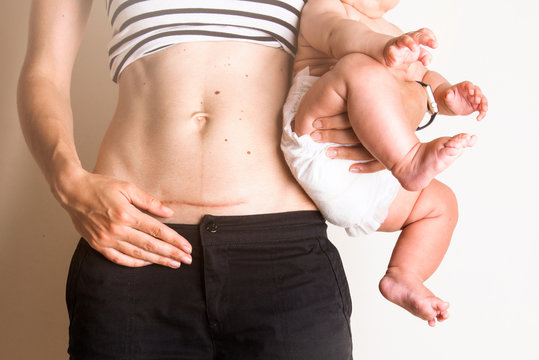
 In medical terms, it is known as VBAC i.e. Vaginal Birth After Caesarean. Let us know what is this process and who can adopt it.





Many women have to go through the process of operation in the first delivery due to diseases, infection, or any other reason, in such situation the question arises in their mind whether the second delivery will also be a cesarean or a normal delivery, can be done for the second time.
Can second delivery be normal after cesarean?
For women who have had their first baby through cesarean ie operation, the question comes to .their mind that will they have to go through the process of operation even at the time of the second child. Let us tell you that this is possible and it is also a kind of medical term which we know by the name of VBAC i.e. Vaginal Birth After a Cesarean. Second delivery can be normal after C-section. It is not necessary that if the first delivery is done by operation, then the same process will be repeated for the second child. If the pregnant woman is healthy, then the doctor may recommend a normal delivery even after cesarean
What is VBAC Process?
Vaginal birth after cesarean (VBS) is a procedure that means that after the first delivery cesarean, the second is normal. Only those patients to whom doctors recommend VBAC are asked to adopt it. You can go through this process only if your body is healthy and there is no risk.
VBAC has a lower risk of infection
If you are going through the process of normal delivery for the second time after cesarean, then let us tell you that this will also reduce your risk of infection. Due to VBAC, you can also avoid the process of a C-section. VBAC is beneficial for women who have more than two children. The risk of life in VBAC procedure is also less and problems during pregnancy can be avoided in the future.
How safe is normal delivery after a cesarean?
This process is safe, you are also less prone to infection through it. Women who have previously had a cesarean section and are now having a normal delivery have a 60 to 70 percent chance of a safe delivery.
Older women cannot adopt the VBAC process
If you are older, your chances of a normal delivery are less. If you had a cesarean section in your first delivery and you are older at the time of the second delivery, then your doctor will not advise you to have a normal delivery. You will also have to do a cesarean again, apart from this, the doctors do not recommend the VBAC procedure to the women who become a victim of obesity. Women who have serious problems like diabetes, thyroid, hypertension are also not included in the VBAC process.
When is VBAC advised?
If you have had a cesarean only once in the past, then you can get VBAC done. If there is no sign of surgery or uterine rupture, then only VBAC can be done. Normal delivery is said only if the cervix is 3 cm or larger. Only if your body is healthy, then your doctor recommends VBAC. It is not necessary that the same procedure will be adopted for the second time after cesarean, but on the advice of the doctor, you can have a normal delivery.
(Disclaimer: The content on this site is for informational purposes only, and should not be taken as professional medical advice. Always seek the guidance of your doctor or other health professionals for any questions you may have regarding your health or a medical condition.)





.jpeg)




.jpg)
.jpg)
.jpg)
.jpg)
.jpg)
.jpg)


.jpg)
.jpg)
.jpg)
.jpg)
.jpg)
.jpg)