 Thursday, October 08, 2026
 US is facing deaths every day due to the pandemic with last day touching record number




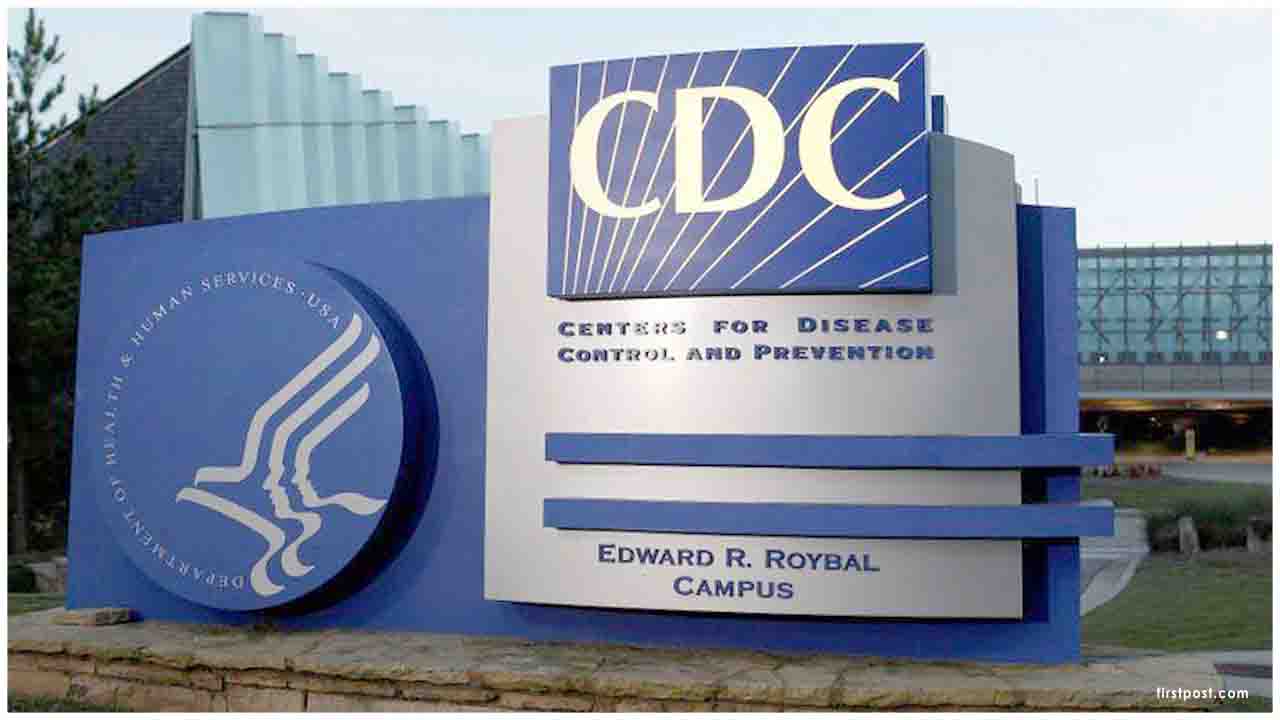
The US Centers for Disease Control and Prevention said Tuesday it will require a negative Covid-19 test from all air passengers entering the United States -- a move it says may help slow the spread of the coronavirus.
Air passengers will be required to get a viral test within three days before their flight to the United States departs, and to provide written documentation of their lab results, or documentation of having recovered from Covid-19, the agency said in a statement to CNN.
CDC Director Dr Robert Redfield is expected to sign the order on Tuesday and it will go into effect on January 26.
"Variants of the SARS-CoV-2 virus continue to emerge in countries around the world, and there is evidence of increased transmissibility of some of these variants," the CDC said in a statement. "With the US already in surge status, the testing requirement for air passengers will help slow the spread of the virus as we work to vaccinate the American public."
If a passenger does not provide documentation of a negative test or recovery or chooses not to take a test, the airline must not allow the passenger to board, the CDC said.
"Testing does not eliminate all risk, but when combined with a period of staying at home and everyday precautions like wearing masks and social distancing, it can make travel safer, healthier, and more responsible by reducing spread on planes, in airports, and at destinations," Redfield said in the statement.
The new variant of coronavirus, which appears to be more transmissible, has already been found in at least 10 states in samples dating back to mid-December.
An airline industry group has expressed support for the new measure.
"[We are] writing to express our support for a [CDC] proposal to control the spread of COVID-19, including variants of the virus, by implementing a global program to require testing for travellers to the United States," the industry group Airlines for America wrote to Vice President Mike Pence on January 4.
The new rule is similar to one put in place last month for passengers from the UK to the US, which requires that passengers have a negative test within three days of boarding their flight. For the UK requirement that went through last month, airlines can be subject to criminal penalties if they fail to comply, and passengers can be subject to criminal penalties if they willfully give false or misleading information.
The earlier requirement for UK travellers was a response to a new coronavirus variant that was identified in the UK. While the variant appears to spread more easily, there's no evidence that it's any more deadly or causes more severe disease, according to CDC.
At least 72 cases of a variant first identified in the UK have been found in 10 US states, according to data posted Monday by the CDC. That includes at least 32 cases in California, 22 cases in Florida, five cases in Minnesota, four cases in New York, three cases in Colorado, two cases in Connecticut, and one case each in Texas, Pennsylvania, Indiana and Georgia.






.jpeg)










.jpg)
.jpg)
.jpg)
.jpg)
.jpg)
.jpg)


.jpg)