 Thursday, October 08, 2026
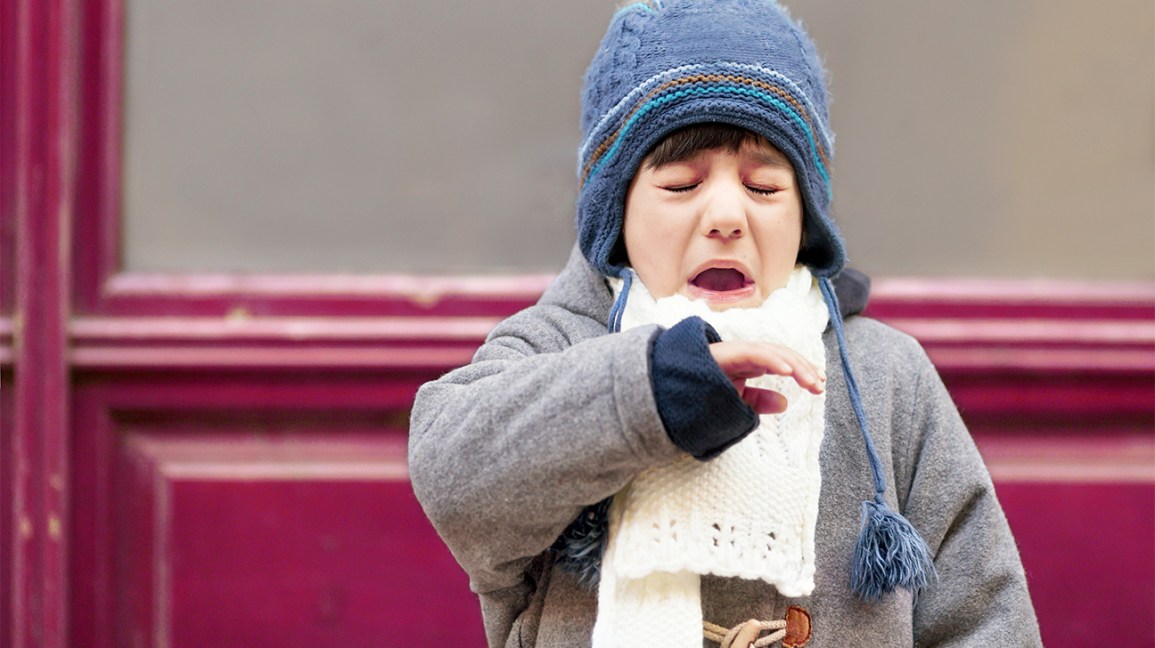
 “Weather may not be the direct cause of any disease, but the changing weather can be an indirect cause of disease transmission.”





India is a sub-tropical country with a Monsoon type of climate. Due to the Peninsular region, we observe an average kind of weather condition throughout the year. We can witness hot summers, humid rainy seasons, and mild winters. The monsoon type of climate in India is due to monsoon winds, differential heating of land and water bodies, and pressure situations. The climate is strongly influenced due to the great Himalayas and the Thar Desert. The Himalayas prevents cold central Asian winds from blowing in whereas the Thar Desert attracts moisture-laden Southwest Summer.
Weather conditions have a very remarkable effect on our health and can cause illnesses. The rainy season can give us colds or fevers due to changes in temperature. Likewise, the summer season can result in heat-related illnesses such as sunstroke, dehydration. The Winter season can be responsible for respiratory tract infections, asthma, and so on.
Ways to cope up with changing weathers -
Strengthening the Immunity –
Our immune system protects our body from several infections. A healthy lifestyle imparts a strong immune system and one of the key aspects is Nutrition. A well-balanced diet can provide you with all the essential nutrients your body needs. Multivitamins and Mineral supplements are also useful in building immunity.
The second major component of immunity is the gut. It acts as a frontline helper for our immune system. Research showed that regular consumption of cultured milk containing L. acidophilus and L. paracasei probiotics can improve our immune system.
Other aspects of a healthy lifestyle are – exercise, healthy sleep, stress management.
Avoid Exposure to the Weather –
Staying indoors and avoiding outdoor activity helps in limiting exposure to the outside weather. Even if you need to go out, you can take some precautionary steps –
Summer – Keep yourself hydrated, wear loose cotton clothes.
Rainy – Protect yourself against mosquitoes with insect repellants and nets.
Winter – Wear woolen clothes while stepping out. Consume hot drinks such as kadha which helps in boosting immunity.
Practice Proper Hygiene –
Practicing hygiene can be very much beneficial in your day-to-day life. Washing our hands before and after preparing food, after using the toilet, or after touching our pets is very important. Covering the face while coughing and sneezing are also helpful.
Take extra care of Vulnerable –
One has to put extra efforts towards the family members who are more vulnerable to weather change and infections. This includes infants, kids, elders, and those who have co-morbidities such as respiratory problems, high blood pressure, diabetes, etc.





.jpeg)










.jpg)
.jpg)
.jpg)
.jpg)
.jpg)
.jpg)


.jpg)