 Thursday, October 08, 2026
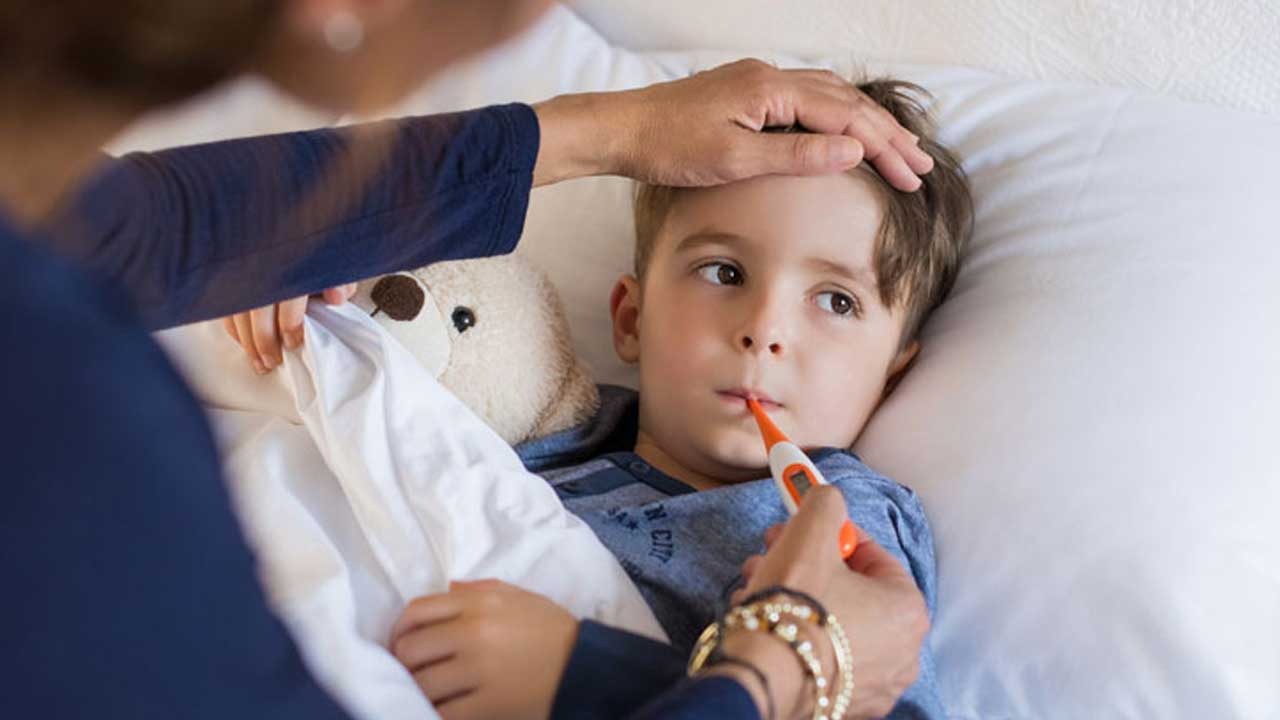
 Common cold and Covid-19 in kids




Common colds share many symptoms of the coronavirus, so if your child becomes ill as the school year gets underway, it might be difficult to immediately tell whether it's Covid-19, said CNN medical analyst Dr Leana Wen.
Adults catch a common cold around two to three times a year, and children get it even more frequently, according to the US Centers for Disease Control and Prevention.
Most people recover in seven to 10 days from the cold, but it can take longer if they have weakened immune systems, the CDC noted.
Some shared symptoms of Covid-19 and the common cold include a sore throat, fatigue and a headache, according to Wen.
Coughing is another common symptom of both viruses, although according to the Mayo Clinic, the Covid-19 cough tends to be drier. When children contract Covid-19, they tend to have milder symptoms than adults, Wen added.
"I would encourage parents to have a high index of suspicion and to definitely not send your child to school if they are not feeling themselves and have any symptoms that could be Covid-19," she said.
Symptoms specific to Covid-19 include loss of smell or taste, Wen said.
With some severe common cold cases, someone could lose their sense of smell or taste due to nasal congestion, she explained. However, with Covid-19 you often lose your sense of smell or taste early and prior to nasal congestion, Wen added. People who've contracted Covid-19 may also suffer from diarrhoea and nausea or vomiting, symptoms that are never present if it's only the common cold, according to the Mayo Clinic.
Covid-19 and the common cold are also caused by different viruses. Covid-19 is contracted from SARS-CoV-2, while the common cold can result from rhinoviruses, the Mayo Clinic noted.
Get your child tested
If you suspect your child has Covid-19, the most important thing is to not send them to school, Wen cautioned.
"I'm sure no parent would want to have other kids in the class become infected or their classmates' family members, or for the class to have to shut down because their child is symptomatic and may have spread it to others," Wen said.
The next step Wen recommended is to get your child tested for Covid-19.
Testing is much more readily available than it was a year ago, she said, and parents should contact their paediatricians for options. Wen said she expects Covid-19 testing options to be localized, meaning the best places to get tested change depending on where you live. In some instances, local clinics may have available, or children can go to testing sites run by their county health department.
Avoid the doctors for mild symptoms
For children with mild Covid-19 symptoms, Wen recommended parents think twice before heading to the doctor.
"If you have mild symptoms, if it's Covid or any other viral illnesses, you should not be going into a doctor's office unless you have talked to your paediatrician and they are requesting that you come in," Wen said.
Story Credit






.jpeg)










.jpg)
.jpg)
.jpg)
.jpg)
.jpg)
.jpg)


.jpg)