 Thursday, October 08, 2026
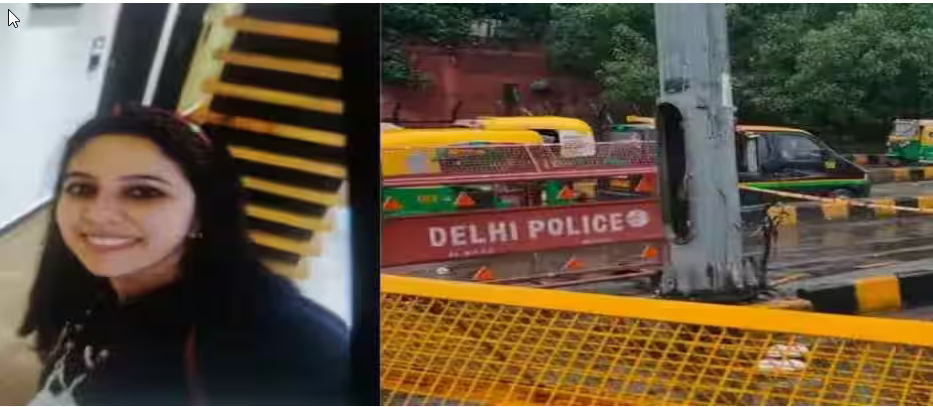
 The recent tragedy of Sakshi Ahuja's death in Delhi highlights the importance of taking measures to prevent such incidents. Let's take a closer look at the factors contributing to electrocution accidents during monsoon season and ways to prevent them




According to a report on India Today, a woman identified as Sakshi Ahuja died of electrocution at Delhi railway station on Sunday while trying to walk through a flooded road. Ahuja held onto an electric pole for support, which had some wires protruding out and was electrocuted due to current leakage from insulation failure. Despite people around her attempting to help her, she was rushed to a hospital where she was declared dead by doctors. Her sister filed a complaint with the police alleging negligence by the authorities. The police have registered a case under Sections 287 and 304 of the Indian Penal Code and an investigation is underway.
Factors Contributing to Electrocution Accidents During Monsoon Season
• Lack of proper drainage facilities in many parts of the country leads to flooding on streets and roads, significantly increasing the risk of electrocution.
•Maintenance and safety protocols for electric poles and wires are often not adhered to, leading to several cases of electrocution accidents.
• Inadequate infrastructure and negligence on the part of authorities that should ensure safety measures are in place to prevent such fatal incidents from happening.
Ways to Prevent Electrocution Accidents During Monsoon Season
• Revamp the drainage system to ensure the proper disposal of wastewater, preventing current leakages and reducing the risk of electrocution accidents.
• Timely maintenance and replacements of old electrical poles and wires to ensure the safety of people around them.
• Regular audits of electrical infrastructure to identify weak and corroded sections of power lines and poles that need repairing or replacement.
• Strict enforcement of safety regulations and fines for government authorities that fail to meet safety standards.
•Raising public awareness and education on how to stay safe during adverse natural circumstances.
Statistics
• According to the Central Electricity Authority, there were over 200 electrocution deaths reported during the 2019 monsoon season in India.
• In a study by the National Crime Records Bureau, Maharashtra reported the most electrocution deaths due to accidental factors, with 97 deaths in 2019.
• Electrocution deaths have increased a whopping 50 per cent from 8,945 in 2011 to 13,446 in 2020. The 2020 figure includes over 2,000 females and nearly 1,700 minors as well. With 2,412 deaths, Madhya Pradesh alone accounted for almost a fifth of the total fatalities in 2020.
With monsoon season around the corner, it is crucial to take measures to prevent electrocution accidents. By revamping the drainage system, ensuring timely maintenance, regular audits of electrical infrastructure, and enforcing safety regulations, the risk of electrocution accidents during the monsoon season can be significantly reduced. Remember, safety is everyone's responsibility





.jpeg)










.jpg)
.jpg)
.jpg)
.jpg)
.jpg)
.jpg)


.jpg)