Development of mpox outbreak in Africa and Sweden - Quote from Dr Gunsiha, MedGenome

▴ mpox
Declaration of emergency underscores the need for affected countries to tackle the virus together and all countries to enhance surveillance, share data, and work to better understand the transmission; share tools like vaccines; and apply lessons learned from prior public health emergencies of international concern in addressing the current outbreak."


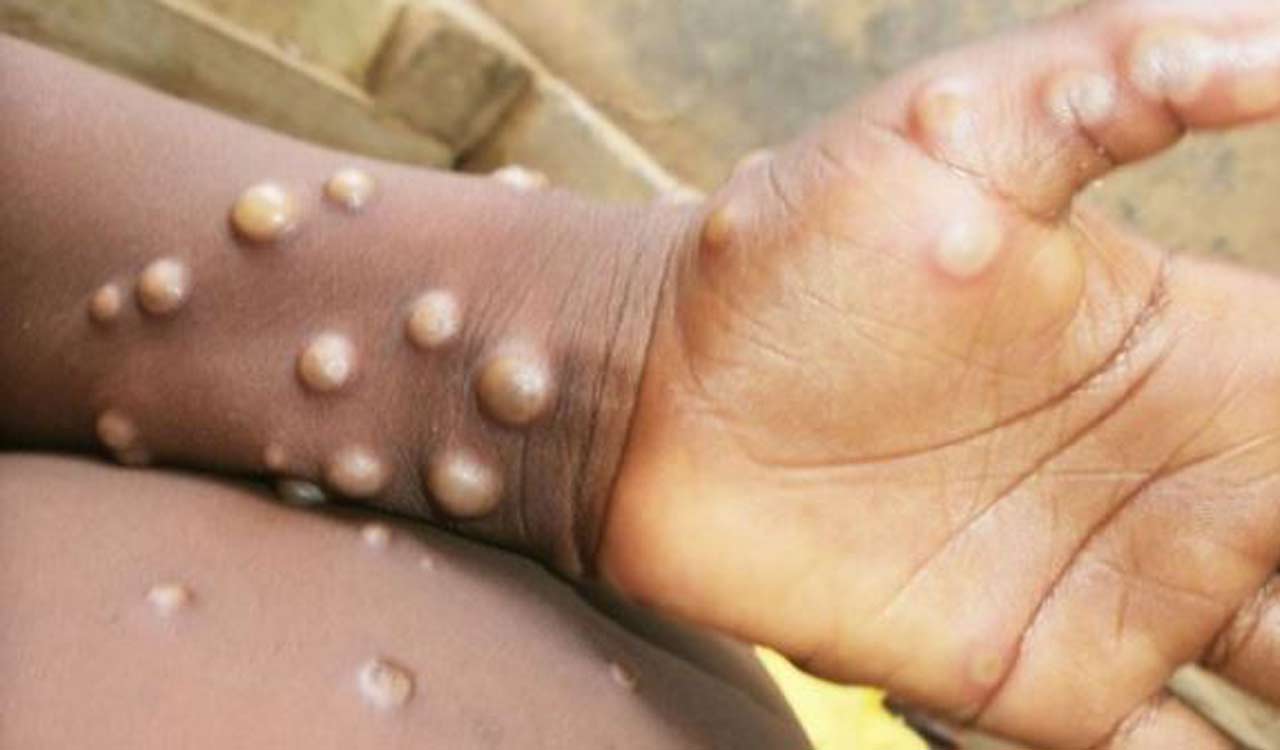
WHO on 14th August declared money pox (mpox) as a public health emergency of international concern over the upsurge of mpox in Africa.  According to WHO so far this year, 15, 664 cases of mpox, with 537 deaths, have been reported in the Democratic Republic of the Congo (DRC) alone, already exceeding last year’s total, which itself was a record.


The upsurge in DRC is being driven by two separate outbreaks by two clades (clade 1a and 1b), of the mpox virus. In the past month, more than 100 cases of clade 1b have also been reported in four neighbouring countries of DRC which had not reported mpox before: Burundi, Kenya, Rwanda and Uganda. Also the first case of mpox clade 1b infection has been identified in Sweden. The rapid spread of clade 1b in African countries and Sweden is the main reason for WHO to declare a public health emergency of international concern.


Declaration of emergency underscores the need for affected countries to tackle the virus together and all countries to enhance surveillance, share data, and work to better understand the transmission; share tools like vaccines; and apply lessons learned from prior public health emergencies of international concern in addressing the current outbreak."


Tags : #

About the Author


Team Medicircle

Related Stories

Loading Please wait...

-Advertisements-


Trending Now

Digital Identity Fraud in Healthcare: What India Must KnowNovember 18, 2026
Wearables in Clinical Care: When Should Doctors Trust the Data?November 18, 2026
Cybersecurity for Medical Startups: What Founders MissNovember 18, 2026
Remote Patient Monitoring: The Next Phase of Virtual CareNovember 18, 2026
Digital Health Wallets: Future of Medical Records in IndiaNovember 17, 2026
How Hospitals Can Prepare for a Transparent Healthcare MarketNovember 17, 2026
Childhood Nutrition: Understanding Micronutrient Gaps Beyond CaloriesNovember 16, 2026
Anaemia in Adolescent Girls: Connecting Prevention, Testing and Nutrition SupportNovember 16, 2026
Health Information Exchanges in India: Are Medical Records Finally Going Portable?November 16, 2026
Hospital Accreditation in 2026: What Is Changing Beyond the Checklist?November 16, 2026
Digital Insurance Platforms and India's Health Coverage FutureNovember 14, 2026
ABDM 2.0: India's Digital Health Ecosystem FutureNovember 14, 2026
Vaccine Cold-Chain Management: Protecting Immunisation Quality From Storage to DeliveryNovember 14, 2026
Foodborne Illness Surveillance: How Public Health Systems Track RisksNovember 14, 2026
Interoperability in Indian Healthcare: Why Patient Data Still StrugglesNovember 13, 2026
Tuberculosis Contact Screening: How Preventive Care Works Around ExposureNovember 13, 2026
COPD Care in India: Linking Diagnosis, Inhaler Education and Follow-UpNovember 13, 2026
Management of ANCA Glomerulonephritis: Induction & Maintenance ProtocolsNovember 12, 2026
Smart Hospital Command Centres Transforming IndiaNovember 12, 2026
Gamma Knife Surgery in India: What You Need to KnowNovember 12, 2026