 Sunday, October 11, 2026
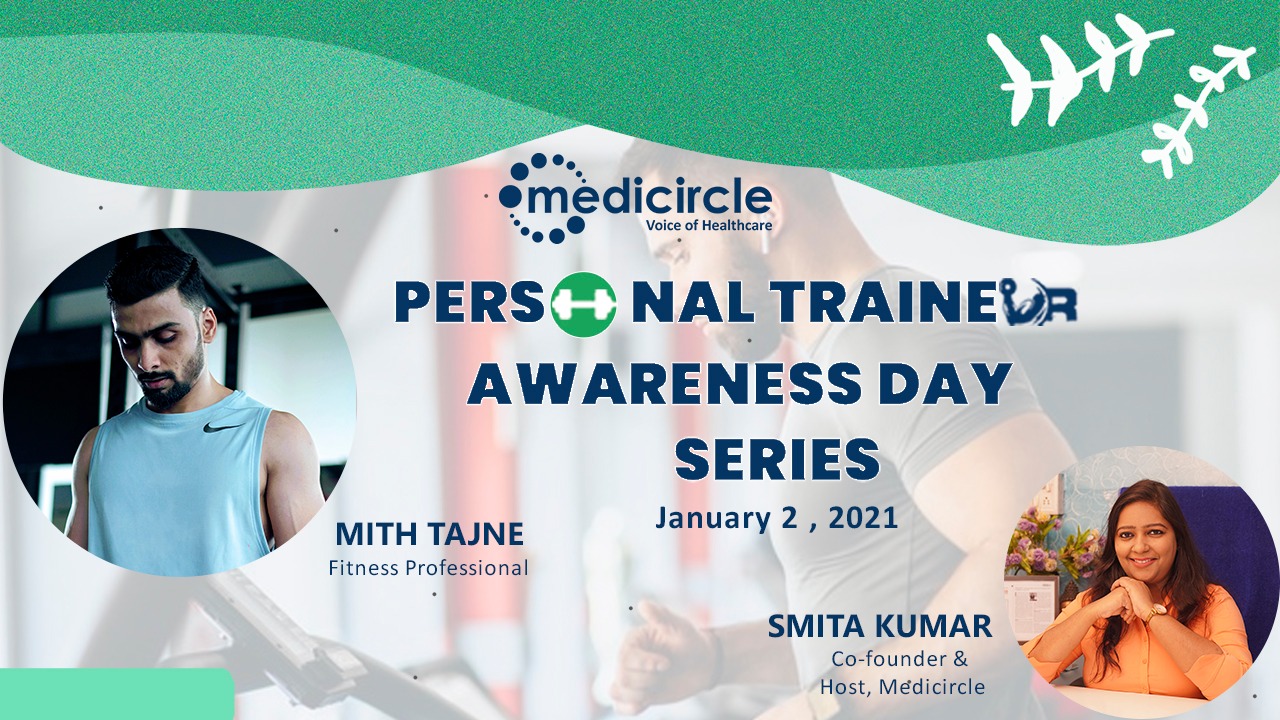
 “People who exercise regularly have a lower risk of developing many long-term (chronic) conditions, such as heart disease, type 2 diabetes, stroke, and also cancer,” says Mith Tajne, Fitness Professional.





National Personal Trainer Awareness Day is observed every year on January second which is a day to honor the experts who assist us with keeping our goals high.
As the new year begins, one of the most popular resolutions of every year is getting fit, and hence comes the popular demand for personal training comes for the rescue. Their tasks are not exclusively to inspire us, yet to ensure we figure out how to function our bodies securely. As much as lack of motivation keeps us from our goals, the inappropriate use of equipment can lead to injuries which again can become a reason for getting demotivated.
So we have for you an exclusive series about the Best Personal Trainers sharing their views on fitness and health.
Mith Tajne, Fitness Professional, is an energetic Fitness Instructor and Personal Trainer with a strong background/experience of 4+ yrs in Strength, Fat loss, Powerlifting, Marathon, and Pilates training.
Physical activity can also boost self-esteem
Mith explains how fitness affects health, “That's the first and the most important part when it comes to starting a fitness journey. Everyone has different fitness levels. Body structure, flexibility, strength levels, endurance, understanding how the body will accept those changes, and accordingly taking steps is important. Whatever your age, there's strong scientific evidence that being physically active can help you lead a healthier and happier life. People who exercise regularly have a lower risk of developing many long-term (chronic) conditions, such as heart disease, type 2 diabetes, stroke, and also cancer. Research shows that physical activity can also boost self-esteem, mood, sleep quality and energy, as well as reducing your risk of stress, depression,” he says.
Mental fitness is as important as physical fitness
Mith sheds light on the subject, “One shouldn't measure their fitness journey as a short term goal but start with a long term vision of being the best version of themselves. It shouldn't be just about looking good physically, but being mentally fit as well. But in today's world, people want quick fix/ instant results rather than understand the process of being a healthier version of themselves which goes a long way. It is a collective effort of hard work, discipline, and consistency for over a period of time to lead a healthy life. The problem with the quick fix or short term quick results is that one will end up doing it in a wrong way and crash diets rarely help one to achieve a sustained, healthy weight. Most people put the pounds right back on, at the same time, starving oneself is certainly not a good idea which leads to muscle loss which eventually leads to weakness, joint pain, and reduced BMR. The other Side effects of rapid weight loss include - Headaches, Fatigue, Dizziness, Menstrual irregularities,” he says.
Need for more Certified Trainers/ Coaches
Mith sheds light on the subject, “There need to be more Certified Trainers/ Coaches. It is the responsibility of the community to educate the masses as today a lot of so-called influencers randomly share tips on how to lose fat, gain muscles, or about exercise science without having sound knowledge of fitness science. And it's really disheartening to see people fall prey to it. One needs to first understand the credentials of a fitness trainer before following them on social media. A good muscular body doesn't mean he or she might have sound knowledge about what it takes to motivate, inspire another individual to help them with their fitness journey,” he says.
Modern problems require digitized solutions
Mith talks on digitalization, “Modern problems require digitized solutions. Digital training/ consultations have their own pros & cons. The fitness industry is also adopting this digital change. Instead of going to the gym, people work out in their own time and in their own locations. This convenience and comfort have resulted in more people are aspiring to live a healthier lifestyle. Social media platforms like Facebook and Instagram are making a trend of posting your fitness efforts and encourage your friends and families to participate. But when it comes to training athletes, rehab clients, it’s advisable to train one on one as it requires skills, sound knowledge of understanding specific training requirements for an individual person. It is important to understand movements, body alignment, and training accordingly. From a personal trainers point of view after initially struggling with the lockdown and gyms been shut, they quickly understood the importance of online classes or group sessions which also provides them the flexibility of training more clients eventually increases their income,” he says.
(Edited by Rabia Mistry Mulla)





.jpeg)










.jpg)
.jpg)
.jpg)
.jpg)
.jpg)
.jpg)


.jpg)