 Friday, October 09, 2026
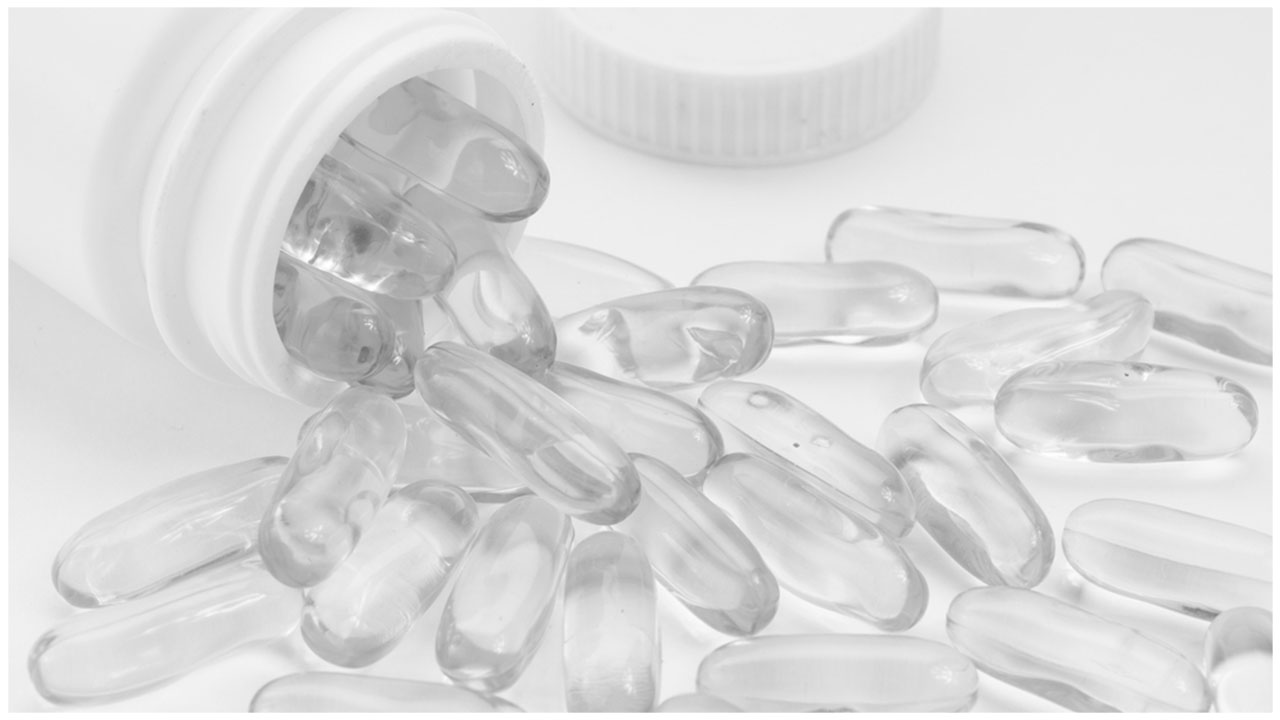
 Among buyers, the Non-GMO Project Verified seal is the most trusted non-GMO label.




SeaGel CAP101 and SeaGel CAP203 non-animal soft capsule technologies attained Non-GMO Project Verified certification, after scrupulous testing of raw material sourcing and manufacturing, reinforcing DuPont’s devotion to providing safe, sustainable ingredients that meet industry demand.
Among buyers, the Non-GMO Project Verified seal is the most trusted non-GMO label, providing confirmation that the product has completed a rigorous, unbiased examination for compliance with the Non-GMO Project Standard. Drug and dietary supplement factories can now turn to DuPont Nutrition & Biosciences to bring that seal to their end-use soft capsule products.
SeaGel gives a plant-based alternative to traditional soft capsules. While soft capsules are one of the most common delivery setups for active components, they are traditionally made with gelatin. Naturally originated from seaweed, SeaGel is animal-free, making it comprehensive to vegan, vegetarian, Halal and Kosher diets. Its recent non-GMO designation allows manufacturers incorporating SeaGel into their formulation to appeal to a wider range of customers.
“As consumers become more informed about what goes into their daily supplements, they’re searching for products that are natural, sustainable and non-GMO,” said Michael Baumann, global strategic marketing manager, DuPont Nutrition & Biosciences. “Adding the iconic non-GMO butterfly to their end products helps manufacturers and brand owners provide customers with immediate assurance that a product aligns with their lifestyle needs.”
SeaGel offers manufacturers treatments to a wide range of formulation challenges, and when described in relation to alternative vegetarian soft capsule technology, it gives superior sealing performance and minor leakage. Since seaweed has a greater melting point than gelatin, SeaGel soft capsules are more heat stable, assuring that they will not become moist or melt together inside capsule bottles. Its adaptability to shape, color and coating—plus easy incorporation into prevailing gelatin manufacturing operations—allows for a wide variety of brand strategies with least capital investment.
“The dietary supplement market is growing rapidly, with 4,000 new products introduced each year in the US alone,” said Benjamin Roscoe, application development & innovation manager, DuPont Nutrition & Biosciences. “By consistently evolving alongside our customers, we’re empowering them to differentiate from competitors and meet consumer demand with safe, natural and sustainably sourced ingredients.”
As North America’s only third-party non-GMO verification program, the Non-GMO Project’s verification continues to set the industry principle for non-GMO food, drug and beauty products. To achieve credentials, suppliers must first pass a strict product evaluation which comprises of a review of raw material sources, manufacturing practices and finished products to avoid contamination by genetically modified organisms (GMOs).
In attaining the recent certification, DuPont ascertains its commitment to thorough and precise specifications, quality components and sustainable practices, encouraging manufacturers and brand owners to be clear about ingredient sourcing and manufacturing processes. Ultimately this leads to enhanced consumer satisfaction and trust.





.jpeg)










.jpg)
.jpg)
.jpg)
.jpg)
.jpg)
.jpg)


.jpg)