 Tuesday, October 27, 2026
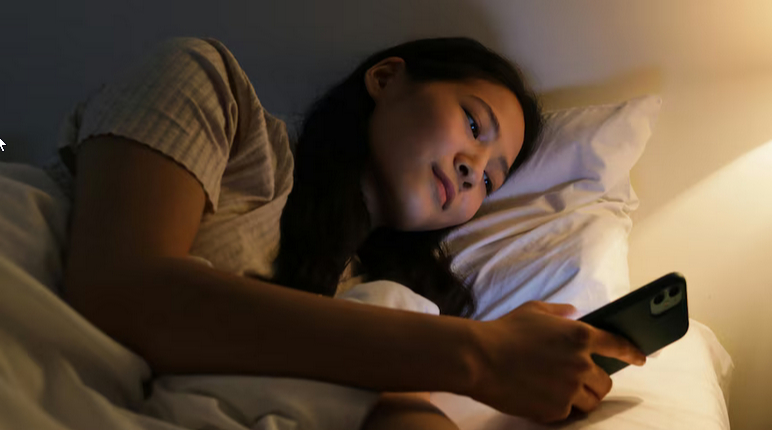
 By making simple yet impactful changes like reducing screen time before bed, adopting healthier lifestyles, and staying informed, we can reclaim control over our health.




In an era where short video reels dominate social media, these snippets of entertainment have become an inseparable part of our daily routines. But while they promise quick enjoyment, they may come with a hidden cost. Recent research reveals that bedtime bingeing of short videos can significantly increase the risk of hypertension among young and middle-aged individuals, a finding that calls for urgent lifestyle changes.
Conducted by researchers at The First Hospital of Hebei Medical University in China, the study explored the potential connection between excessive screen time watching short videos and essential hypertension. The research, which analysed data from 4,318 participants between January and September 2023, highlights an alarming correlation: the longer individuals spend watching short videos at bedtime, the greater their likelihood of developing high blood pressure.
The findings, published In BMC Public Health, emphasize the detrimental effects of this seemingly harmless activity. Researchers argue that prolonged screen time, particularly during late-night hours, disturbs the body’s natural rhythms and contributes to an increase in hypertension prevalence among young and middle-aged people.
The study concluded that screen time spent watching short videos before bed is not just a pastime but a potential health hazard. Here are the key insights:
Prolonged Night-Time Screen Use: Spending excessive time watching reels or short videos at bedtime was strongly linked to higher blood pressure levels.
Lifestyle Factors Exacerbate Risks: The study highlighted poor dietary habits, such as high sodium intake, and other conditions like elevated blood lipids and uric acid levels, as factors that worsen the risk of hypertension.
A Call for Better Habits: Researchers urged stricter controls on screen time before bed and stressed the importance of maintaining healthy weight, controlling blood sugar, and adopting a balanced diet to mitigate risks.
High blood pressure, or hypertension, is a silent killer that affects 1.3 billion adults aged 30 to 79 globally, as per the World Health Organization (WHO). It stands as a leading risk factor for severe health issues like heart attacks and strokes, contributing significantly to premature deaths.
This global health burden has only grown worse with the rise of digital addictions. Another study, published in the European Heart Journal – Digital Health, linked prolonged mobile phone use to hypertension, revealing that even 30 minutes of weekly mobile usage can increase blood pressure levels. The low levels of radiofrequency energy emitted by mobile devices were identified as a contributing factor.
Spending time glued to your phone or tablet late at night can disrupt your body’s circadian rhythm—the natural 24-hour cycle that regulates sleep and other essential functions. Here's why this is a concern:
1. Reduced Sleep Quality: The blue light emitted by screens inhibits the production of melatonin, the hormone responsible for sleep. Poor sleep quality is directly linked to higher blood pressure.
2. Increased Stress Hormones: Engaging with fast-paced, stimulating content before bed keeps the brain in an active state, leading to elevated cortisol levels—a hormone that can increase blood pressure.
3. Delayed Sleep Onset: The more time spent watching reels, the later you fall asleep, which shortens the overall duration of rest. Sleep deprivation is a well-documented risk factor for hypertension.
While bedtime screen addiction is a rising issue, it often coincides with other unhealthy habits, creating a perfect storm for high blood pressure:
Poor Diet: A diet high in sodium and processed foods contributes to fluid retention, increasing blood pressure.
Lack of Physical Activity: Sedentary lifestyles, often associated with prolonged screen time, exacerbate the risk of hypertension.
Stress: Continuous engagement with social media can increase stress levels, further elevating blood pressure.
While the findings of this study paint a worrying picture, they also highlight actionable steps to curb the health risks associated with excessive screen time. Here’s how you can take charge of your health:
1. Limit Screen Time Before Bed: Establish a “no-screen” rule at least one hour before bedtime. Replace the habit of watching reels with calming activities like reading or meditation.
2. Adopt a Heart-Healthy Diet: Incorporate potassium-rich foods like bananas, spinach, and sweet potatoes into your diet to counteract the effects of sodium. Avoid processed and salty snacks, especially during late-night hours.
3. Stay Physically Active: Regular exercise, even in moderate forms like walking or yoga, can help regulate blood pressure and improve overall cardiovascular health.
4. Prioritize Quality Sleep: Maintain a consistent sleep schedule and create a conducive environment for rest. Use blackout curtains, reduce noise, and keep your bedroom cool and comfortable.
5. Monitor Your Health Regularly: Schedule routine check-ups to monitor your blood pressure, blood sugar, and lipid levels. Early detection is key to managing hypertension effectively.
As technology becomes increasingly intertwined with our lives, the health impacts of digital addictions are becoming harder to ignore. The convenience and entertainment offered by short videos and reels come at a price that many are unaware of.
For young and middle-aged people, the findings of this study serve as a wake-up call. With hypertension being a significant risk factor for heart disease—the leading cause of death worldwide—it’s crucial to address the underlying causes, including our screen habits.
Governments, healthcare providers, and tech companies all have a role to play in mitigating this issue. Public health campaigns must emphasize the importance of responsible screen use, while platforms could consider implementing features to limit excessive viewing.
Healthcare providers should educate patients on the risks associated with bedtime screen time and encourage lifestyle modifications. Meanwhile, individuals must take personal responsibility for their digital consumption patterns and prioritize their well-being.
The allure of short videos and reels may be hard to resist, but the long-term consequences of excessive screen time are far too significant to ignore. By making simple yet impactful changes like reducing screen time before bed, adopting healthier lifestyles, and staying informed, we can reclaim control over our health.
Let the findings of this study serve as a reminder: convenience should never come at the cost of your well-being. If you find yourself endlessly scrolling through reels at night, ask yourself are a few moments of entertainment worth risking your heart health? The choice is yours, and the time to act is now




-23-300x250.png)

.jpeg)






.jpg)
.jpg)
.jpg)
.jpg)
.jpg)
.jpg)
.jpg)
.jpg)
.jpg)



