 Thursday, October 08, 2026
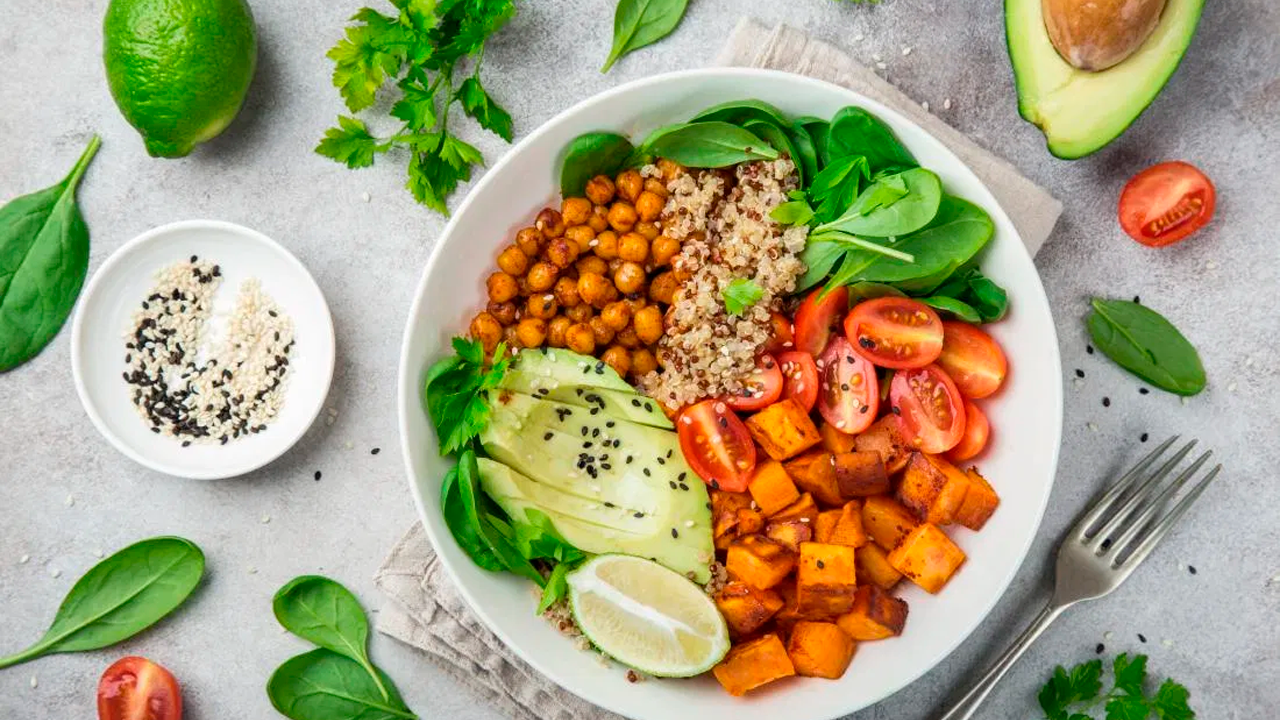
 1 in 5 Indian women suffers from PCOS. Unhealthy eating, a sedentary lifestyle, and stress are the major contributing factors resulting in PCOS. Weight loss with PCOS is a big challenge but here are some ways that can simplify this process with effective results.




1 in 5 Indian women suffers from PCOS. Women having PCOS deal with irregular periods, weight gain, mood swings, facial hair, and acne every day. This affects their self-confidence and causes stress. Not only this, this may create difficulties while conceiving too.
Food aiding PCOS management
Morning drinks
- Apple Cider Vinegar drink – Mix 1 Tbsp of Apple Cider Vinegar in 1 glass of lukewarm water and drink it early morning or 30 minutes after a meal. It manages blood sugar levels and boosts digestion.
- Cinnamon water – Boil 1 stick of cinnamon in water, strain it and drink.
- Fenugreek water – Soak fenugreek seeds overnight, strain them in the morning and drink it.
All these control insulin levels, improve ovaries health, regulate the menstrual cycle, and help in weight loss.
Seeds
Certain seeds are very helpful in balancing hormones because they contain such compounds which regulate the menstrual cycle, bring periods on time, and control PCOD, along with promoting weight loss.
Taking these seeds in their respective order is called seed cycling. These are
- Flax seeds
- Pumpkin seeds
- Sunflower seeds
- Sesame seeds
The First 14 days, also called the follicular phase or ovulation period is marked by estrogen dominance. You need to take 1 spoon of flax seeds and 1 spoon of pumpkin seeds in this time period. Next is the luteal phase when progesterone levels are high, here you have to take 1 spoon of sunflower seeds and 1 spoon of sesame seeds. You can take these seeds in either form, raw, roasted, or grounded.
Herbs
According to Ayurveda, herbs like cinnamon, turmeric, ginger, and ashwagandha balance body hormones. Consuming these herbs daily in little quantities is beneficial to the body.
Millets
It includes gluten-free complex carbs like Ragi, Jowar, and Bajra which manage insulin, balance hormones, and control PCOD. These complex carbs are rich sources of nutrition, minerals, vitamins, and antioxidants. You can add them to your daily meal in the form of roti, Dalia or dosa mixes.
Healthy fats
It supports fat burning and muscle building. These include olive oil, mustard oil, coconut oil, or ghee. Even nuts and seeds contain healthy fats. So, In PCOS, instead of having trans or processed fats, go for healthy fats.
Gut-friendly foods
The gut is your second brain. A healthy gut allows the proper functioning of body organs. Benefits of a healthy gut –
- Good digestion
- Balanced insulin
- Controlled blood sugar
- Controlled PCOD
Gut-friendly bacteria are found in probiotics like curd, Idli, dosa, dhokla, and achaar. Include them in your daily diet.
Stress-relieving foods
Stress increases the cortisol levels in the body which subsequently causes cravings, weight gain, and PCOD. You can take the help of yoga to relax your mind or any other relaxation techniques. In addition to this, foods like green tea, leafy vegetables, berries, coffee, and chocolates manage stress and act as Stress-relieving foods. Thus, our body works better, balances hormones, and controls PCOS and weight is under check.
(Disclaimer: The content on this site is for informational purposes only, and should not be taken as professional medical advice. Always seek the guidance of your doctor or other health professionals for any questions you may have regarding your health or a medical condition.)





.jpeg)








.jpg)
.jpg)
.jpg)
.jpg)
.jpg)
.jpg)


.jpg)
.jpg)
.jpg)