 Thursday, October 08, 2026
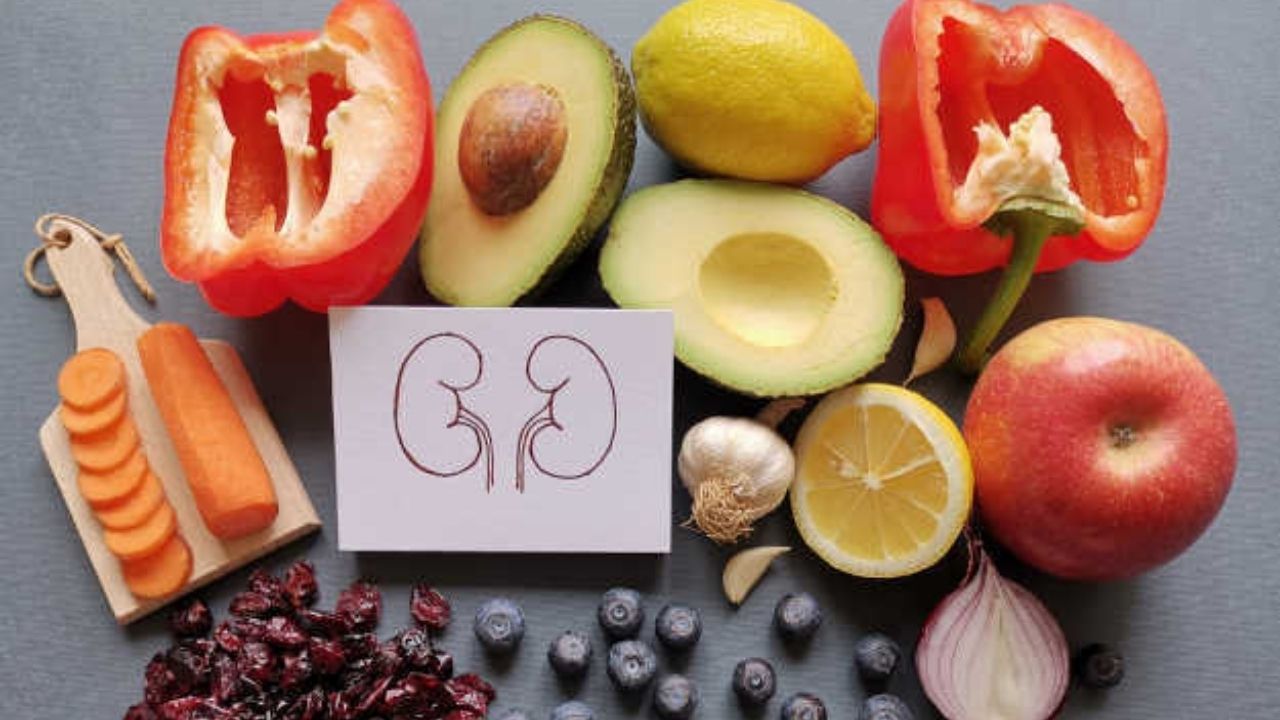
 There are certain fruits that must be avoided and consumed if you have kidney stones. Make sure to take care of these fruits and include them accordingly.




In such a situation, sometimes our bad lifestyle and diet increase this problem further. When there are a large number of certain minerals in the kidney which stick together and form stones. Such as calcium oxalate stones, calcium phosphate, uric acid stones, and cystine stones. In such a situation, We should avoid eating those foods in which the amount of oxalate is high, the amount of protein is high or the amount of protein is high. Apart from this, lack of water can also cause stones.
Which fruit to eat in case of stones - Fruits to eat in kidney stones
Eat Watery Fruits
Eat water-rich flowers like coconut water, watermelon, melon, etc. Actually, it helps to melt the stone and helps it to be passed out through urine. Therefore, you should consume more and more water-rich fruits. You can eat them directly or you can make juice and drink them.
Consumption of Citrus Fruits
Citrus fruits are rich in vitamin C which dissolves stones. Its citrate inhibits the formation of stones by binding to calcium, so that it does not bind with oxalate and forms stones. In such a situation, the consumption of fruits rich in citric acid, orange, mosambi, guava, and grapes are helpful in reducing stones.
Consuming Calcium Rich Fruits
Consumption of fruits rich in calcium is beneficial in stones. In this case, consuming high-calcium foods and normal dairy can reduce your risk of forming calcium stones. Apart from this, you can eat some calcium-rich fruits, such as berries, kiwis, figs, and black grapes.
Which fruit should not be eaten in case of stones - Fruits to avoid kidney stones
If you have stones, you should avoid consuming those fruits which are a bit difficult to digest.
Sweet potato Food rich in roughage like mango PomegranateThese things should also take care of some things in bonfire stone. Such as the consumption of processed and packaged things. As well as externally packed fruit juices etc. Unless you actively work to prevent them, getting kidney stones increases your risk of getting them again. If you have stones, then you should take special care of some things.
Eat citrus fruits like oranges
Eat calcium-rich foods at every meal
Limit animal protein intake
Along with this, you should also keep in mind that if the intake of calcium in your body is low, then the level of oxalate can increase. It is better to get your calcium from food rather than from supplements, as these have been linked to kidney stone formation.
Apart from all this, keep in mind that avoid the consumption of salt, sugar and high fructose things. Avoid foods and drinks high in oxalate and phosphate. Avoid eating or drinking anything that dehydrates you, such as alcohol. Kidney stones are usually a painful condition. In such a situation it is very important to stay hydrated and eat healthily.
(Disclaimer: The content on this site is for informational purposes only, and should not be taken as professional medical advice. Always seek the guidance of your doctor or other health professionals for any questions you may have regarding your health or a medical condition.)





.jpeg)










.jpg)
.jpg)
.jpg)
.jpg)
.jpg)
.jpg)


.jpg)