 Thursday, October 08, 2026
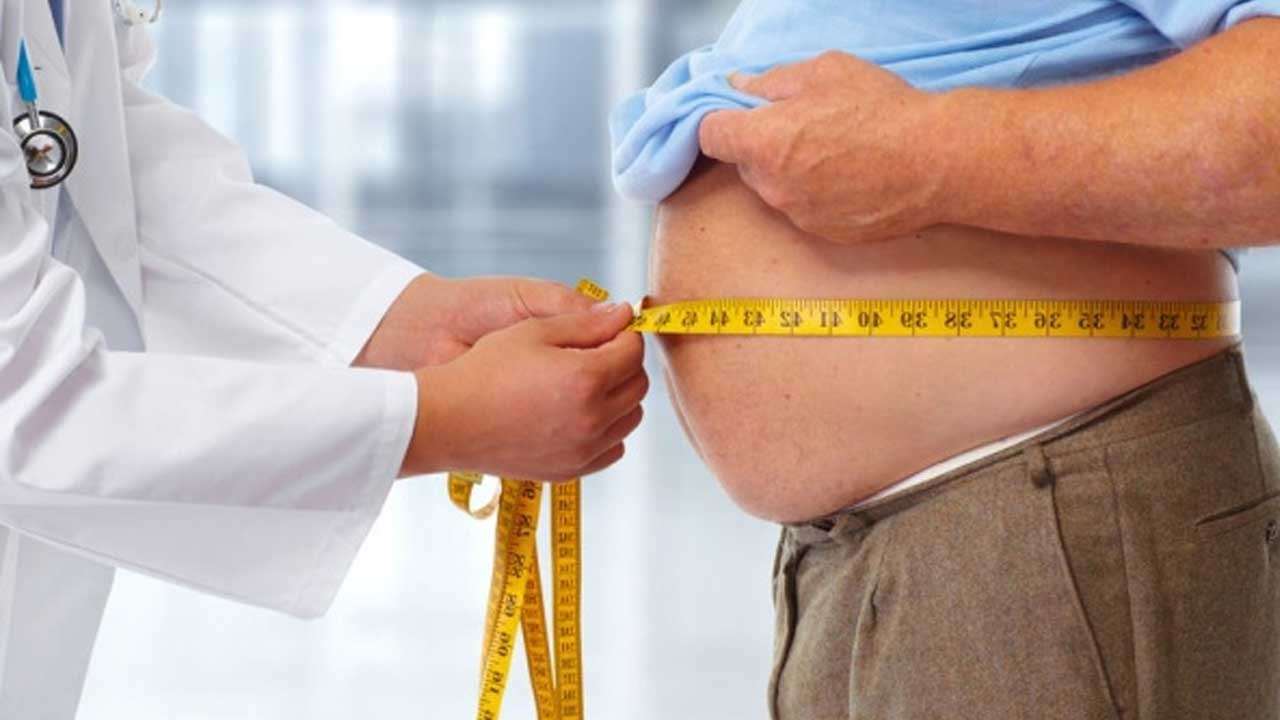
 The biggest reason for this is considered to be the modern lifestyle and food. In this era of fast food and ready-to-eat food, people who do not pay attention to their diet and lifestyle often have to face the problem of obesity or weight gain.





In today's time, people all over the world are suffering from the problem of obesity and increasing weight..
Gastric bypass surgery is also done to lose weight. Through gastric bypass surgery, the stomach is made smaller and after this the stomach feels full even after eating less food. After gastric bypass surgery, whatever food you eat reaches your small intestine and pouch. This way the food you eat does not pass into the small intestine. Usually this surgery is done only to reduce weight, but in some special cases, people suffering from some other diseases are also doing this surgery.
Under what circumstances is gastric bypass surgery performed?
Gastric bypass surgery is done to lose weight. This surgery is done when all the efforts made to lose weight are not working. Or say that when the problem of obesity or weight gain comes to affect the person negatively, then this surgery is resorted to. After several screenings, doctors recommend gastric bypass surgery. Along with suffering from the problem of obesity, gastric bypass surgery is done in the condition of these diseases.
When suffering from gastroesophageal reflux disease. In the problem of obesity. In case of serious heart disease. In the problem of type 2 diabetes. When suffering from cancer problems. In case of infertility.Types of Gastric Bypass Surgery
Gastric bypass surgery is done to reduce the size of the stomach. After this surgery, you also feel less hungry and feel full after having a small meal. When the problem of obesity is in the final stage, then with the help of this surgery, the doctor tries to save the life of the patient. There are mainly two types of this surgery.
Roux-en-Y Gastric Bypass Extensive Gastric Bypass - Biliopancreatic DiversionGastric bypass surgery procedure
Doctors recommend gastric bypass surgery to the patient after all the tests and screenings. In the problem of obesity, when all other measures to reduce weight have failed, then this surgery is needed. The procedure for gastric bypass surgery is as follows.
First of all, the BMI is checked. After this, surgery is done to reduce the size of the stomach. A pouch is made inside the stomach. The part of the stomach is combined with the small intestine.Gastric Bypass Surgery Benefits
The problem of obesity or weight gain is reduced through gastric bypass surgery. Apart from weight gain, gastric bypass surgery is also considered useful in these diseases.
Useful in severe heart diseases. High blood pressure problem. Type 2 diabetes. Gastroesophageal reflux disease. Osteoarthritis (joint pain)Gastric Bypass Surgery Side Effects
Gastric bypass surgery is done for people suffering from obesity problems. There are also side effects of this surgery which are as follows.
Blood clotting problems. Infection problem. Side effects of anesthesia. Anaemia. Shortness of breath. Intestinal problems. Vomiting problem. Ulcer risk. Hypoglycemia.Different types of problems can be seen in different people after this surgery. Gastric bypass surgery is not done for all people with obesity. Weight loss by resorting to this surgery is done when you have no option left to lose weight. After this surgery, the patient should take special care of himself.





.jpeg)










.jpg)
.jpg)
.jpg)
.jpg)
.jpg)
.jpg)


.jpg)