 Wednesday, November 18, 2026
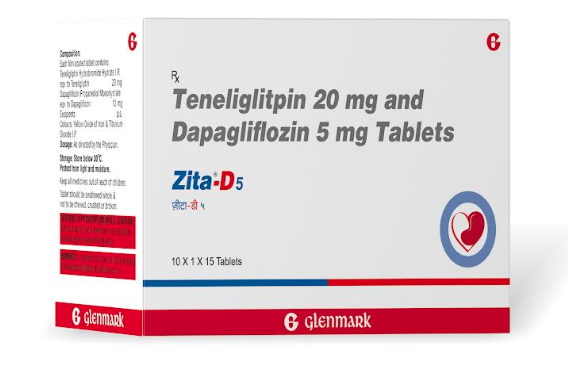
 Glenmark's commitment to providing affordable and effective solutions highlights its role as a leader in diabetes care. As Zita DM becomes a part of the diabetes management landscape, it holds the potential to positively impact the lives of millions of individuals suffering from this chronic condition.





Glenmark Pharmaceuticals Limited, a leading global pharmaceutical company, has introduced a groundbreaking solution for managing type 2 diabetes in India. The newly launched Zita DM is the country's first triple-drug fixed-dose combination (FDC) that combines teneligliptin with dapagliflozin and metformin, addressing the challenges faced by diabetic patients.
India, with the second-largest diabetic population globally, has witnessed the launch of Zita DM to enhance glycemic control in individuals with type 2 diabetes. This FDC, available under the brand name Zita DM, combines the widely-used teneligliptin (20mg), dapagliflozin (10mg), and metformin SR (500mg/1000mg) in a fixed dose, requiring only once-daily consumption under a prescription.
Addressing Unmet Needs: Alok Malik, President & Business Head - India Formulations at Glenmark Pharma, highlighted the challenges faced by type 2 diabetic patients in India, including uncontrolled HbA1c levels and beta cell dysfunction affecting insulin secretion. Zita DM aims to fill this gap by offering a robust solution that not only improves glycemic control but also addresses co-morbidities such as weight gain.
Glenmark's Zita portfolio, catering to around 1.75 million type 2 diabetic patients annually in India, has been a foundation in diabetes management. With the addition of Zita DM, the comprehensive gliptin range promises to assist type 2 diabetic patients at every stage of their treatment journey.
Affordability and Accessibility: Priced at Rs. 14 per tablet, Zita DM is positioned as an affordable anti-diabetic drug. This pricing strategy is expected to lower the daily cost of therapy by 30%, making the medication more accessible to a broader population.
Market Impact and Growth: The oral anti-diabetic drugs market in India, as per IQVIA sales data for the period ending August 2023, is estimated at Rs. 12,522 crore, with an annual growth rate of 6.5%. Zita DM's entry is poised to make a significant impact on this market, offering an innovative and effective treatment option.
Glenmark's Legacy in Diabetes Care: Glenmark has a strong legacy in providing effective and affordable treatment options for patients with uncontrolled type 2 diabetes. The company has consistently introduced innovative drugs and combinations, including DPP4 inhibitors, SGLT-2 inhibitors, and various FDCs, contributing to the evolving landscape of diabetes care in India.
In conclusion, the launch of Zita DM marks a significant milestone in the management of type 2 diabetes in India. Glenmark's commitment to providing affordable and effective solutions highlights its role as a leader in diabetes care. As Zita DM becomes a part of the diabetes management landscape, it holds the potential to positively impact the lives of millions of individuals suffering from this chronic condition




-23-300x250.png)





















