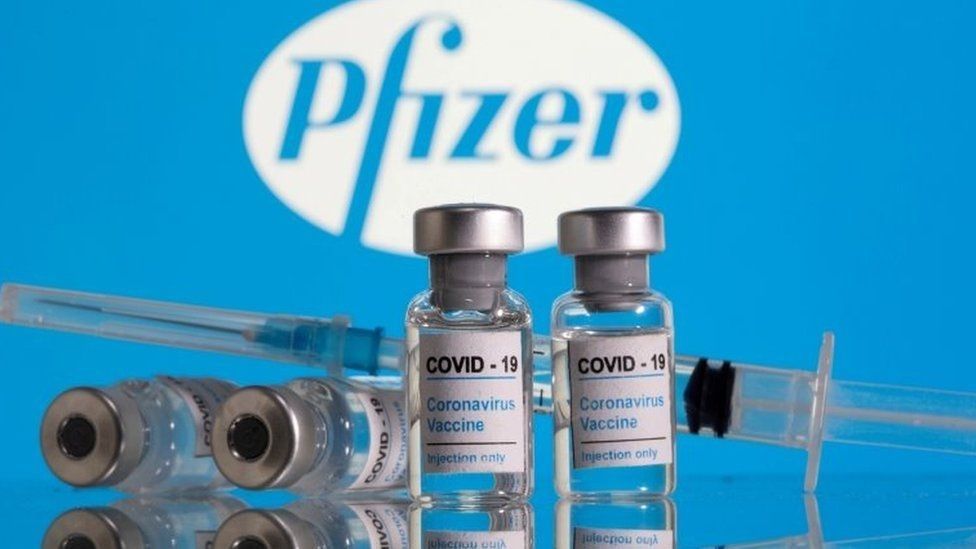
European Union's drugs regulator says, Pfizer COVID vaccine can now be stored at fridge temperature for up to a month


Deprecated: strlen(): Passing null to parameter #1 ($string) of type string is deprecated in /home/medicircle/public_html/script_newsdetails.php on line 75
Now Pfizer vaccines would ave extended shelf life

The European Union's drugs regulator has said that the Pfizer COVID vaccine can now be stored at fridge temperature for up to a month. The current limit is just five days.

The European Medicines Agency (EMA) said that once the vaccines thawed, unopened vials could be kept in the fridge. The increased flexibility is expected to have a significant impact on the vaccine roll-out across the EU.


The need for transport and storage at very low temperatures has been one of the major disadvantages of the Pfizer jab. The previous storage requirements for Pfizer vaccines have made them harder to use in some parts of the world.

In February, the United States approved storage and transport of the Pfizer vaccine at standard freezer temperatures of -15 to -25 degrees Celsius for up to two weeks, as opposed to between -80 to -60 degrees Celsius that it usually requires.

Earlier, Canada authorized the use of the Pfizer vaccine for children between the ages of 12 and 15, becoming the first country to do so for that age group.


Tags : #EMA #Pfizer #EuropeanMedicineAgencies #VaccineShelflife #StoringVaccine

About the Author


Team Medicircle

Related Stories

Loading Please wait...

-Advertisements-


Trending Now

Hormonal Imbalance in Women: Understanding the Causes, Recognising the Symptoms, and Finding the Right TreatmentJuly 28, 2026
Why Regular Health Screening Matters: A Complete Guide for IndiansJuly 28, 2026
Artificial Intelligence in Diagnostic Imaging: Enhancing Radiologist Precision and Reducing Human ErrorJuly 27, 2026
Transitioning from Acute Care to Urgent Care Centers: Optimizing Healthcare Facility InfrastructureJuly 27, 2026
Menopause Symptoms Explained: What Every Indian Woman Should KnowJuly 25, 2026
Sleep Deprivation and Its Hidden Impact on Your Health: What Every Indian Should KnowJuly 25, 2026
Air Pollution and Health Effects: What Every Indian Must KnowJuly 25, 2026
NABH Accreditation Explained: What It Means for Indian Hospitals and PatientsJuly 25, 2026
Hypertension in Young Indians: Causes and Early InterventionJuly 24, 2026
How Stress Damages Your Heart: The Mind-Body ConnectionJuly 24, 2026
Living with Arthritis in India: Pain Management and Lifestyle TipsJuly 23, 2026
Iron Deficiency vs B12 Deficiency: Spotting the Difference in IndiansJuly 23, 2026
The ePlane Company and Apollo Hospitals Join Forces to Bring India's Golden Hour Within ReachJuly 23, 2026
Importance of Women's Health Screening: A Comprehensive Guide to Preventive CareJuly 23, 2026
Can Diabetes Be Reversed? What Indian Patients Need to KnowJuly 23, 2026
Heart Attack vs. Cardiac Arrest: Key Differences Every Indian Should KnowJuly 23, 2026
Hepatitis B and C: Understanding Transmission, Testing, and TreatmentJuly 23, 2026
The Digitization of Care: How Healthtech and Digital Self-Management Tools are Transforming Patient OutcomesJuly 22, 2026
Telemedicine Ethics: Maintaining Patient Privacy and Clinical Quality in Virtual ConsultationsJuly 22, 2026
Diabetes Complications Explained: Causes, Warning Signs, and Prevention for Indian PatientsJuly 22, 2026