 Saturday, October 10, 2026
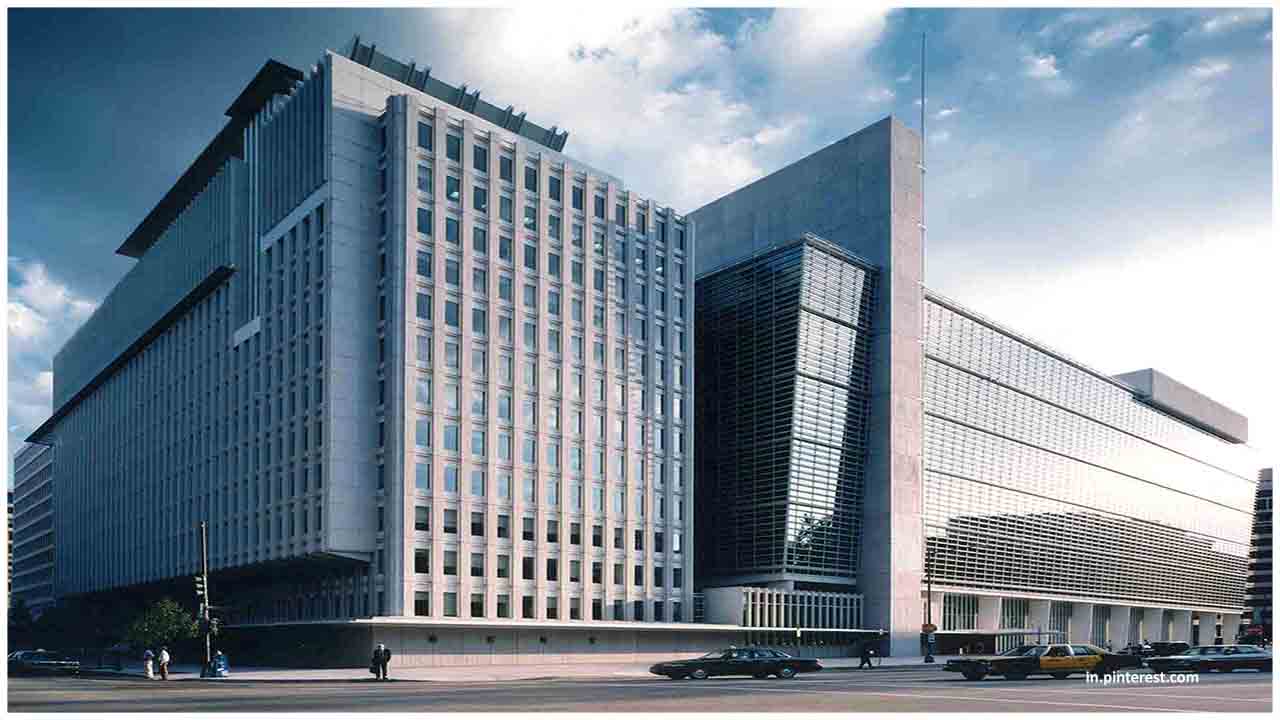
 The COVID-19 recession is the first since 1870 to be triggered solely by a pandemic, World Bank President David Malpass said.




The worldwide economy, which has dove into a serious compression, will shrivel by 5.2 percent this year because of the monstrous stun of the coronavirus pandemic and the shutdown measures to contain it, the World Bank said on Monday.
The COVID-19 downturn is the first since 1870 to be activated exclusively by a pandemic, World Bank President David Malpass said in his foreword to the most recent version of the Global Economic Prospect report discharged on Monday.
"The speed and profundity with which it has struck propose the chance of a slow recuperation that may expect policymakers to think about extra intercessions," he said.
For some, developing markets and creating nations, be that as it may, compelling monetary help and relief measures are especially difficult to accomplish in light of the fact that a generous portion of the business is in casual divisions, the leader of the Washington-based multilateral loan specialist said.
As indicated by the report, financial action among cutting edge economies is foreseen to recoil by seven percent in 2020 as household request and flexibly, exchange and money have been seriously upset.
Developing Markets and Developing Economies (EMDEs) are required to shrivel by 2.5 percent this year, their first constriction as a gathering in any event 60 years, it said.
Per capita salaries are relied upon to decay by 3.6 percent, which will tip a large number of individuals into extraordinary destitution this year, as indicated by the report.
The blow is hitting hardest in nations where the pandemic has been the most serious and where there is substantial dependence on a worldwide exchange, the travel industry, product fares, and outer financing, it said.
While the greatness of the disturbance will shift from district to area, all EMDEs have vulnerabilities that are amplified by outside stuns. Additionally, breaks in tutoring and essential social insurance get to are probably going to impacts affect human capital turn of events, the bank said.
"This is a profoundly calming standpoint, with the emergency prone to leave enduring scars and posture major worldwide difficulties," World Bank Group Vice President for Equitable Growth, Finance, and Institutions, Ceyla Pazarbasioglu said.
"Our first thing to address is to address the worldwide wellbeing and monetary crisis. Past that, the worldwide network must join to discover approaches to remake as strong a recuperation as conceivable to keep more individuals from falling into neediness and joblessness," he said.
World Bank Prospects Group Director Ayhan Kose said that the COVID-19 downturn is particular in numerous regards and is probably going to be the most profound one in cutting edge economies since the World War-II and the main yield withdrawal in rising and creating economies, in any event, the previous six decades.
"The present scene has just observed by a wide margin of the quickest and steepest minimizations in worldwide development figures on record. On the off chance that the past is any guide, there might be further development downsize coming up, inferring that policymakers may should be prepared to utilize extra measures to help movement," he said.
As indicated by World Bank President Malpass, past the stunning financial effects, the pandemic will likewise have extreme and dependable financial effects that may well debilitate long haul development possibilities - the dive in venture due to raised vulnerability, the disintegration of human capital from the armies of jobless and the potential for bursts of exchange and flexibly linkages.
He said that the speed and quality of the recuperation will rely upon the viability of the help programs governments and the worldwide network set up now, and basically on what policymakers do to react to the new condition.
The World Bank report said that the worldwide economy has encountered 14 worldwide downturns since 1870: in 1876, 1885, 1893, 1908, 1914, 1917-21, 1930-32, 1938, 1945-46, 1975, 1982, 1991, 2009 and 2020.
The present projections recommend that the COVID-19 downturn will include a decrease in worldwide per capita Gross Domestic Product (GDP) by 6.2 percent, making it the most profound worldwide downturn since 1945-46, and more than twice as profound as the downturn related with the worldwide budgetary emergency, the report said.
Current gauges recommend that in 2020, the most noteworthy portion of economies will encounter constrictions in yearly per capita GDP since 1870, it said.
The portion of economies in the downturn will be in excess of 90 percent, considerably higher than the extent of around 85 percent of nations in a downturn at the stature of the Great Depression of 1930-32, it included.
As indicated by Johns Hopkins Coronavirus Resource Center, the coronavirus has tainted more than 70,00,000 individuals and executed more than 4,00,000 over the world. The US is the most exceedingly awful influenced nation with over 1.9 million cases and in excess of 1,10,000 passings.





.jpeg)










.jpg)
.jpg)
.jpg)
.jpg)
.jpg)
.jpg)


.jpg)