 Saturday, November 21, 2026
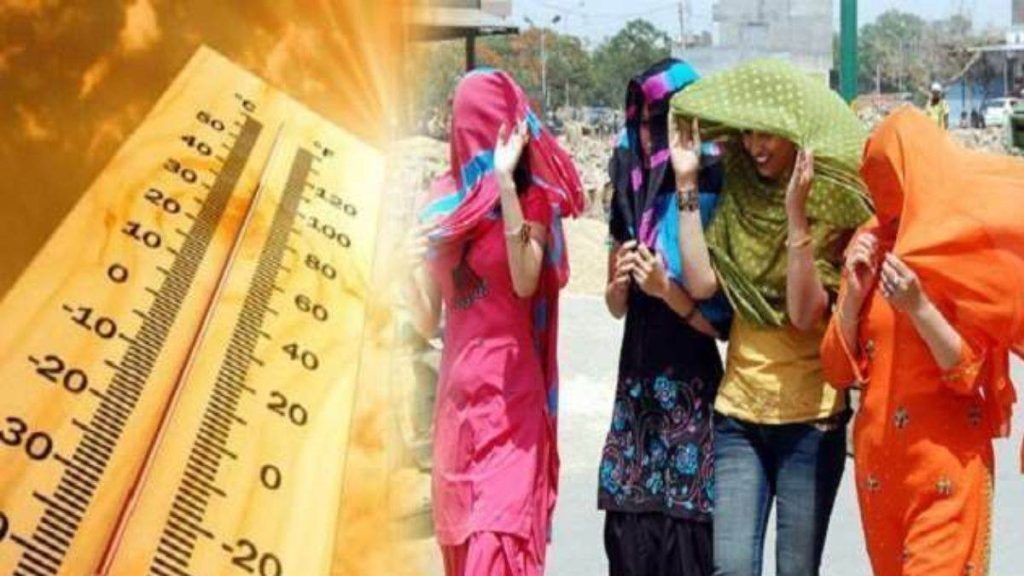
 The contrasting weather conditions experienced in different regions of India highlight the dual impact of global warming. While Uttar Pradesh and Bihar struggle with deadly heat waves, Chennai battles heavy rainfall and flooding





The consequences of global warming are becoming increasingly apparent, with extreme weather events wreaking havoc across the globe. In recent years, India has been a witness to contrasting weather patterns within its borders. While some regions are battling heat waves and an increased risk of heat-related deaths, others are coping with devastating floods caused by heavy rainfall. Let's explore the dual impact of global warming on weather conditions, focusing on the states of Uttar Pradesh (UP) and Bihar, where heat waves have claimed lives, and Chennai, which is experiencing heavy rainfall.
Heat Waves in Uttar Pradesh and Bihar
Uttar Pradesh and Bihar have been facing severe heat waves, over 96 heat-related deaths have been reported in the last 3 days. Rising temperatures, coupled with high humidity levels, have created extremely uncomfortable and life-threatening conditions for the residents. The vulnerable sections of society, including the elderly and those without access to proper shelter and cooling facilities, are particularly at risk.
Heat waves can lead to a range of health issues, from heat exhaustion and dehydration to heatstroke, which can be fatal. The rising number of heat-related deaths in UP and Bihar is a stark reminder of the urgency to address climate change and its impact on vulnerable communities.
Factors contributing to the intensity of heat waves include deforestation, urbanization, and the heat island effect, where built-up areas absorb and retain more heat than surrounding rural areas. Additionally, the release of greenhouse gases, such as carbon dioxide, into the atmosphere exacerbates global warming, further intensifying heat waves.
Heavy Rainfall in Chennai
On the other end of the weather spectrum, the coastal city of Chennai in Tamil Nadu has been experiencing increasingly heavy rainfall and flooding events. Global warming has altered rainfall patterns. Chennai's vulnerability to flooding is heightened due to urbanization, inadequate drainage systems, and encroachments on water bodies.
The heavy downpours have resulted in disastrous consequences, like rail traffic disruption, damage to infrastructure, and disruption of essential services. Such events not only displace residents but also have long-term implications for the city's economy and environment.
Addressing the Dual Impact
To minimize the impact of global warming and build resilience in vulnerable regions, it is crucial to implement comprehensive measures at various levels:
1. Moderation: Governments, industries, and individuals must focus on reducing greenhouse gas emissions by adopting cleaner energy sources, promoting sustainable practices, and encouraging afforestation to absorb carbon dioxide.
2. Adaptation: Communities need to develop adaptive strategies to cope with extreme weather events. This includes improving early warning systems, upgrading infrastructure, enhancing urban planning to account for changing climate patterns and implementing measures to ensure the well-being of vulnerable populations during heat waves and floods.
3. Awareness and Education: Raising awareness about the impact of global warming and promoting climate literacy are essential for fostering a collective responsibility towards the environment. Educational institutions, media, and community organizations can play a significant role in spreading information and promoting sustainable practices.
4. International Cooperation: Addressing the challenges of global warming requires a collaborative approach. Countries must work together to reduce emissions, share best practices, and provide financial and technological support to developing nations that are most vulnerable to climate change.
The contrasting weather conditions experienced in different regions of India highlight the dual impact of global warming. While Uttar Pradesh and Bihar struggle with deadly heat waves, Chennai battles heavy rainfall and flooding. Urgent action is needed to curb greenhouse gas emissions, promote sustainable practices, and build resilience in vulnerable communities. By addressing the root causes of climate change and adopting a comprehensive approach, we can strive toward a more sustainable and resilient future for all.
Title: Global Warming's Dual Impact: Deadly Heat Waves in UP and Bihar, While Chennai Suffers from Monstrous Rainfall




-23-300x250.png)




















