 Thursday, October 08, 2026
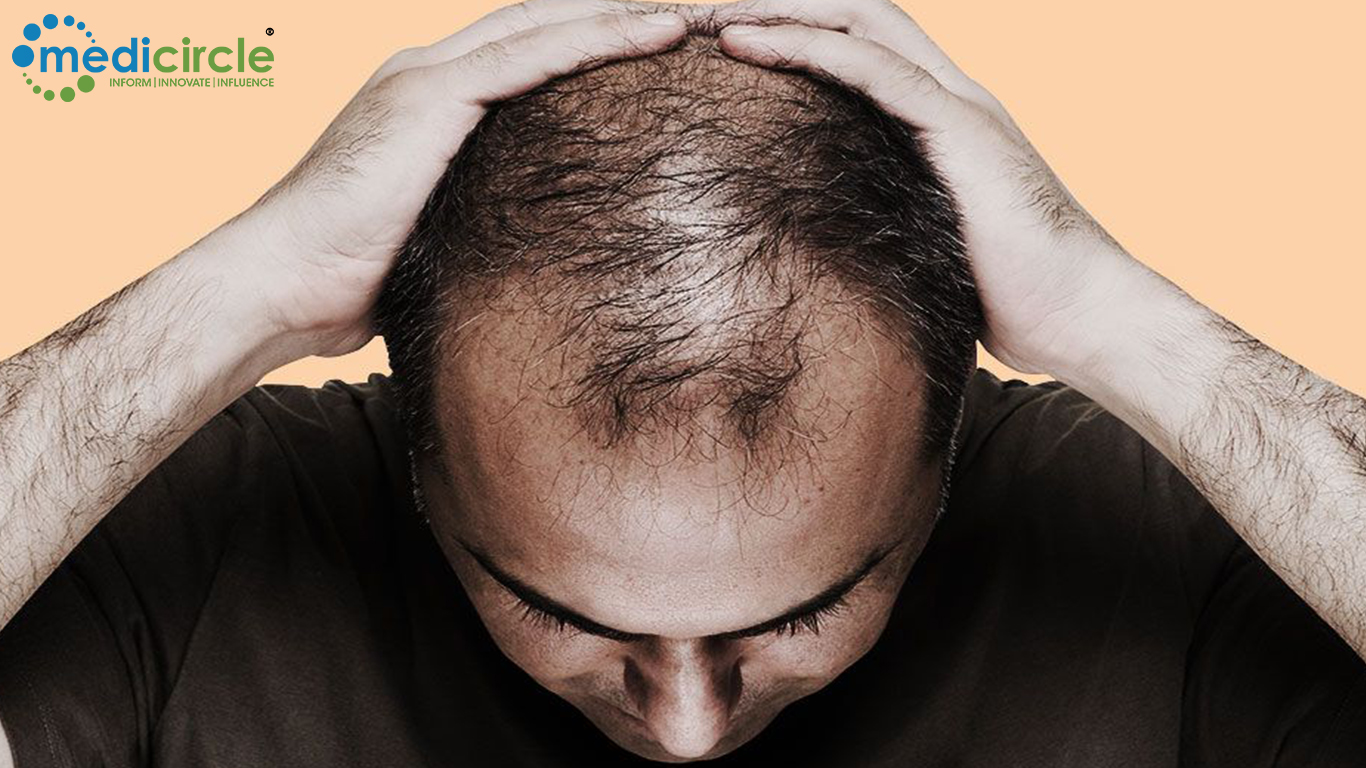
 Understandin.g the underlying causes, recognizing symptoms, and adopting preventive measures can help delay hair loss and preserve hair health




Hair loss, particularly male pattern baldness, can be a distressing experience for men, especially when it occurs at an early age. Let's get into the reasons behind early-onset baldness, common symptoms to watch out for, preventive measures, and available treatment options.
Causes of Early-Onset Male Pattern Baldness
1. Genetics: One of the primary factors behind early baldness in men is genetics. Male pattern baldness, also known as androgenetic alopecia, tends to run in families. If a man has close relatives who experienced early hair loss, there's a higher likelihood that he may also inherit this trait.
2. Hormonal Changes: Hormonal imbalances, particularly elevated levels of dihydrotestosterone (DHT) – a derivative of testosterone, can contribute to hair follicle shrinkage and eventual hair loss. This hormonal shift is often associated with aging but can manifest earlier in some individuals.
3. Stress: Chronic stress can disrupt the normal hair growth cycle, leading to excessive shedding and thinning of hair. High-stress levels trigger hormonal fluctuations that can exacerbate hair loss.
4. Poor Diet and Nutrition: Inadequate intake of essential nutrients like vitamins (e.g., Biotin, Vitamin D) and minerals (e.g., Iron, Zinc) crucial for hair health can contribute to premature hair loss.
Symptoms of Early-Onset Male Pattern Baldness
- Receding Hairline: A common early sign of male pattern baldness is a receding hairline, especially around the temples.
- Thinning of Hair: Hair becomes noticeably thinner, particularly at the crown of the head.
- Increased Shedding: Excessive hair shedding, observed on pillows, in the shower, or during hair styling.
- Bald Patches: Formation of bald patches, particularly at the top of the scalp.
Preventive Measures to Delay Baldness
1. Maintain a Healthy Lifestyle: Adopt a balanced diet rich in essential nutrients, exercise regularly, and manage stress effectively.
2. Hair Care Practices: Avoid frequent use of harsh chemicals or heat styling tools that can damage hair follicles. Opt for gentle hair care products suitable for your scalp type.
3. Regular Scalp Massage: Stimulate blood flow to the scalp through regular scalp massages to promote hair growth.
4. Limit DHT Production: Consult a healthcare professional about medications or supplements that can help regulate DHT levels and prevent hair loss.
Treatment Options for Early-Onset Baldness
1. Hair Transplant Surgery: For severe cases of baldness, hair transplant procedures, such as follicular unit transplantation (FUT) or follicular unit extraction (FUE), can restore natural-looking hair.
2. Platelet-Rich Plasma (PRP) Therapy: PRP injections containing growth factors derived from your blood can stimulate hair follicles and encourage hair regrowth.
Addressing Early Baldness
Early-onset male pattern baldness can significantly impact self-esteem and confidence. Understanding the underlying causes, recognizing symptoms, and adopting preventive measures can help delay hair loss and preserve hair health. For individuals experiencing significant hair loss, exploring treatment options under the guidance of healthcare professionals can restore hair growth and enhance overall well-being. Remember, seeking timely intervention and taking proactive steps can make a difference in managing early-onset male pattern baldness effectively.





.jpeg)










.jpg)
.jpg)
.jpg)
.jpg)
.jpg)
.jpg)


.jpg)