High vital sign tends to start at a younger age in women than men, and rises faster, a replacement study reports

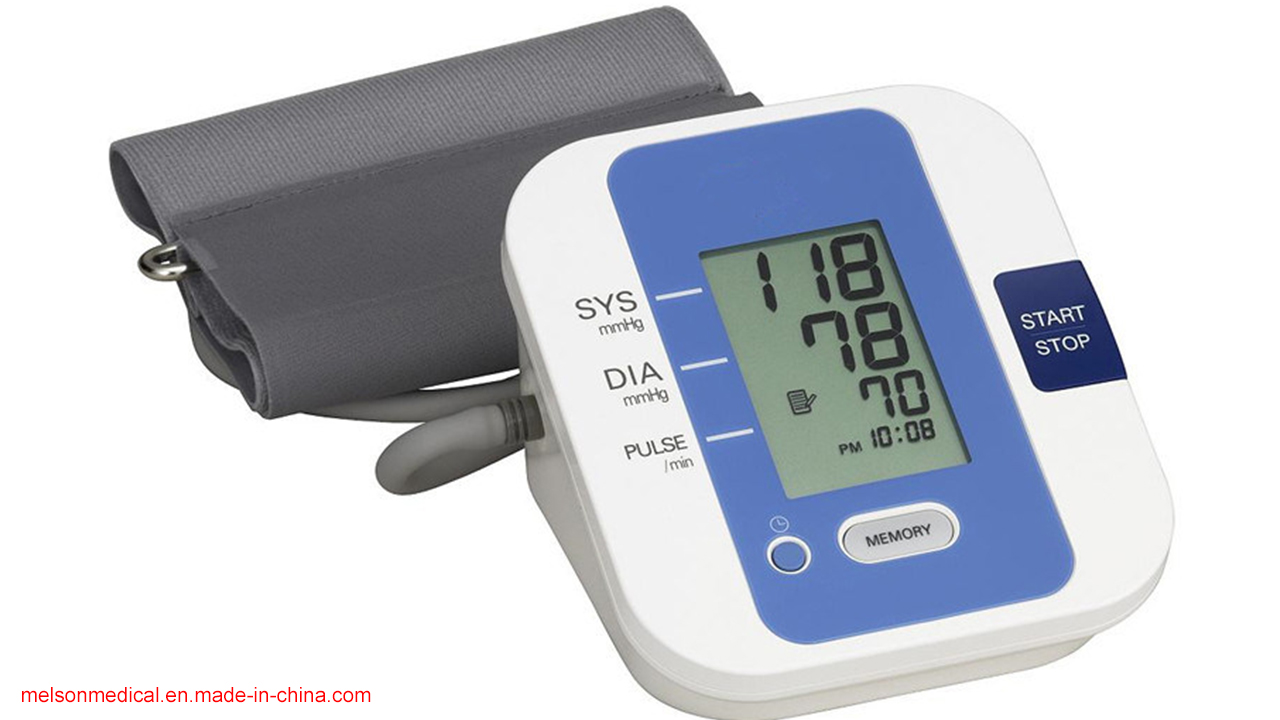
▴ Blood pressure Machine
Data collected over 43 years were used in 32,833 people ages 5 to 98. They found that by the time women are in their 20s, they're showing faster rates of increases in vital signs than men, and therefore the difference persists throughout life.


Blood pressure begins to extend at younger ages in women than in men, and it goes up at a faster rate, a replacement study reports.

On average, women who develop heart conditions are about 10 years older than men who develop it. But this report, published in JAMA Cardiology, suggests that prime vital sign, one among the foremost important controllable risk factors for the disorder , begins at a younger age in women than men, and rises faster. The physiological processes that cause heart condition, the findings suggest, may start earlier in women than in men.

Data collected over 43 years were used in 32,833 people ages 5 to 98. They found that by the time women are in their 20s, they're showing faster rates of increases in vital signs than men, and therefore the difference persists throughout life.

“The fundamental anatomy and physiology are very different in men and ladies,” said the senior author, Dr. Susan Cheng, director of public health research at the Smidt Heart Institute of Cedars-Sinai center in l. a. “I would encourage all to catch it because it starts to sneak up, but keeping an eye fixed on the vital sign is particularly important for ladies .”


Tags : #highvitalsigns #risesfaster #bloodpressure #women #medicircle #smitakumar #Doctors-Speak

About the Author


Team Medicircle

Related Stories

Loading Please wait...

-Advertisements-


Trending Now

Kumaran Hospitals Kilpauk Performs 20-Hour Marathon Surgery to Remove Rare, Complex Mesenteric Tumour in 29-Year-OldAugust 27, 2026
India is producing more health research. The bigger question is: how much of it is reaching patients?August 27, 2026
A Raksha Bandhan Gift Beyond Measure: Brother Donates a Part His Liver to Save Sister’s Five-Month-Old DaughterAugust 27, 2026
Second Opinion Gives Eight-Year-Old Boy A Chance To Keep His Leg & His ChildhoodAugust 27, 2026
Hospital Business Models Are Changing: What Comes Next for Indian Healthcare?August 27, 2026
Diagnostics in Inflammatory Myopathies: Electromyography (EMG), Muscle Biopsy, and Antibody ProfilingAugust 27, 2026
Ransomware in Healthcare: What Happens When a Hospital's Systems Go Offline?August 27, 2026
Why Indian Hospitals Are Becoming Prime Targets for CyberattacksAugust 27, 2026
Dragged by Tractor, 21-Year-Old Woman Survives Rare Life-Threatening Trauma at Sarvodaya Hospital, FaridabadAugust 26, 2026
Apollo Teynampet expands footprint into multi-speciality healthcareAugust 26, 2026
A Sister’s Gift of Life: Kidney Donation Ahead of Raksha BandhanAugust 26, 2026
Vahan.ai Advances Multilingual AI Recruitment with NVIDIA NemotronAugust 25, 2026
Beyond Basic Baby Care: Addressing the Monsoon Surge in Infant Skin Concerns with Salve’s Littloo RangeAugust 25, 2026
100+ Bengaluru Clinics Use QR678® as Indian Hair Regeneration Platform Adds New Patent and Expands GloballyAugust 25, 2026
Healthcare Innovation in India: Real Stories That Are Reshaping the Future of MedicineAugust 25, 2026
Generative AI in Indian Hospitals: Where It Is Actually Making a Difference in 2026August 25, 2026
High Uric Acid and Gout: Symptoms, Causes, Diet, Tests, and Treatment ExplainedAugust 24, 2026
Vitamin D Deficiency in India: Symptoms, Causes, Tests, Treatment and PreventionAugust 24, 2026