 Thursday, October 08, 2026
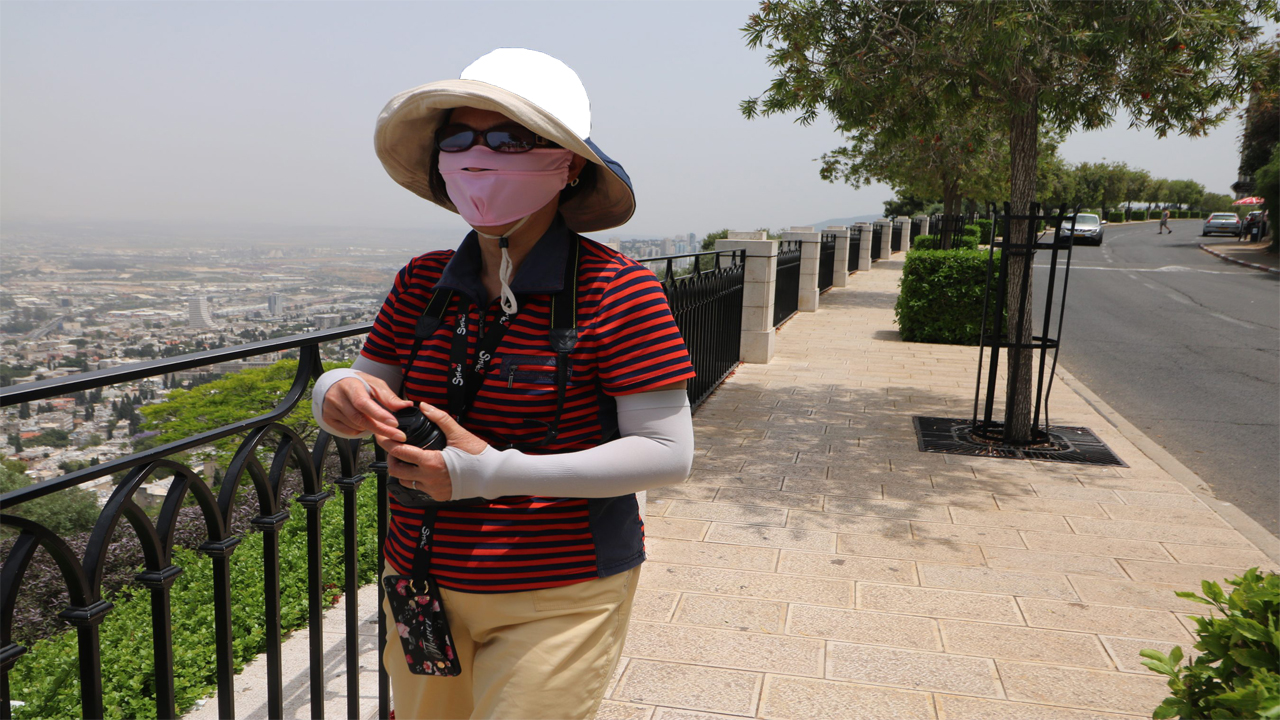
 Now, in a significant stepping up of the city’s fight to control the virus, the Hong Kong Tourism Board (HKTB) today launches a standardised hygiene protocol in partnership with the Hong Kong Quality Assurance Agency (HKQAA)




Hong Kong has led the way in introducing anti-virus measures since the beginning of the COVID-19 outbreak, with citizens and businesses working together to adopt some of the world’s most stringent hygiene measures. Businesses in the tourism sector have been particularly active in implementing hygiene measures supported by advanced cleaning technologies into their daily operations.
Now, in a significant stepping up of the city’s fight to control the virus, the Hong Kong Tourism Board (HKTB) today launches a standardised hygiene protocol in partnership with the Hong Kong Quality Assurance Agency (HKQAA), one of the leading conformity assessment bodies in the territory.
The protocol aims to provide a unified set of guidelines on hygiene and anti-epidemic measures for tourism-related industries that customers and visitors can easily recognise and understand to better prepare Hong Kong for the resumption of inbound travel.
Dr YK Pang, Chairman of the HKTB, said, “The COVID-19 pandemic has brought a new normal to the tourism landscape, and public health and safety have become a priority for visitors. Many international travel and tourism organisations have already put in place hygiene and anti-epidemic guidelines, and standardising hygiene measures for each sector can spread to visitors the message that different sectors across Hong Kong value their commitment to hygiene and safety.
“I am excited that more than 1,800 businesses and outlets expressed interest in the protocol when the HKTB consulted our trade partners. The HKTB will strengthen its promotion of anti-epidemic measures taken by the tourism industry and related sectors to establish a healthy and safe tourism image for Hong Kong and to bolster visitors’ confidence in travelling to Hong Kong.”
The protocol will cover shopping malls, hotels, restaurants, retail stores, coach companies, tourism attractions, travel agencies, and more. Participating businesses and outlets are required to comply with a series of hygiene and anti-epidemic measures (see appendix). After passing the assessment, details of the businesses and outlets will be uploaded to a dedicated website of the HKQAA (https://hkhygiene.hkqaa.org). The businesses and outlets can display a designated logo for recognition to show their commitment to the protocol. The HKQAA will conduct random visits for continued inspections.
Ir C S Ho, Chairman of the HKQAA, said, “During the development of the standardised protocol, the HKQAA referred to the guidelines by the Centre for Health Protection and the Food and Environmental Hygiene Department. We aim to promote best practices for hygiene and anti-epidemic measures across tourism-related sectors and acknowledge their efforts in combating the pandemic through professional and impartial third-party verification, thus restoring public confidence in out-of-home consumption and travel.
“It is our honour to partner with the Hong Kong Tourism Board to leverage our strengths in continuously improving the overall standards across the entire industry, establishing a new, standardised hygiene culture under the new normal.”
The HKTB is currently working with the Hong Kong SAR Government and the tourism industry to better prepare Hong Kong for the resumption of travel to Hong Kong and aims to welcome visitors back with an assortment of exciting experiences and attractive offers.





.jpeg)










.jpg)
.jpg)
.jpg)
.jpg)
.jpg)
.jpg)


.jpg)