 Thursday, October 08, 2026
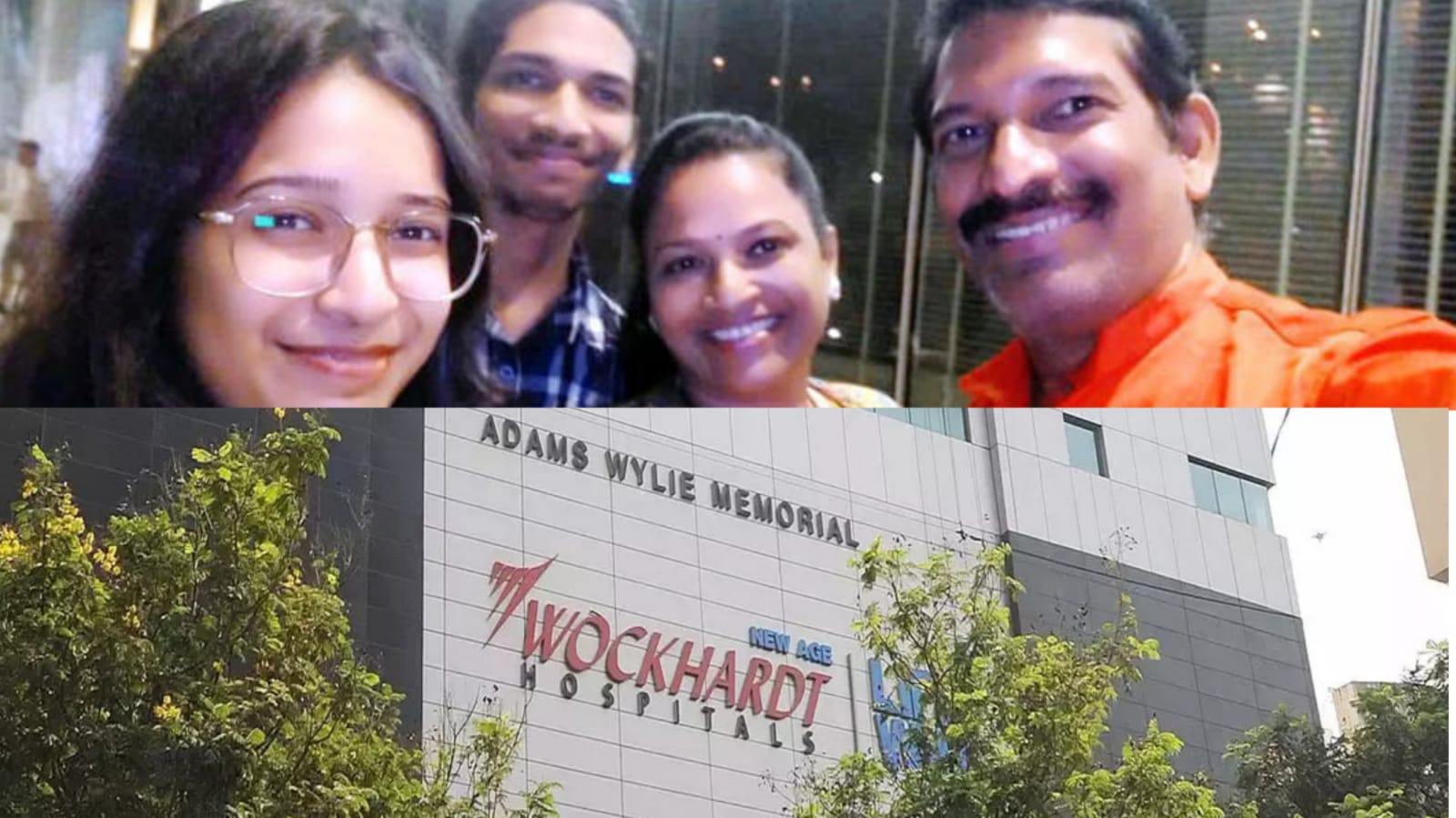
 A 50-year-old woman named Kavita Dalvi underwent valve replacement surgery at Wockhardt Hospital in Agripada, Mumbai. However, instead of one surgery, she underwent two and passed away within a week of admission due to complications arising from a faulty valve.




Kavita Dalvi was suffering from heart-related illness and following the advice of her doctor she got admitted to south Mumbai’s Wockhardt Hospital on June 5 for a valve replacement procedure. The First surgery was performed on June 10 and the second one on June 17. She got passed away on June 20.
Vikas Dalvi(Husband) claims that his wife was fine after the initial surgery, but the following day, she complained of nausea and vomited multiple times. The doctors suspected a post-surgery infection, but despite their efforts, her health did not improve even after four days. Upon re-evaluation, the doctors discovered a leakage in the replaced valve and informed Vikas that the valve provided by the company was faulty. They sought his consent for a second replacement, assuring him that she would recover. Unfortunately, her condition worsened after the second surgery and she appeared visibly unwell, and a few days later, she passed away.
The Agripada police have registered an accidental death report (ADR), and an inquiry into the matter is currently underway. If any negligence is identified, they will register a case to initiate further investigation.
The hospital admits that the valve had a fault, but Kavita's husband, Vikas Dalvi, has demanded to know how a defective piece even ended up inside his wife’s heart.
The hospital has expressed regret over the incident and is fully cooperating with the authorities in their investigation. They have provided a statement explaining that the valve function was checked in the ICU and appeared normal after the first surgery. However, symptoms of nausea arose on June 16, and a 2-D echo was done immediately. On examination, malfunctioning of the valve leaflet was revealed. With the family's consent, they replaced the faulty valve on the following day. The patient’s overall condition was guarded, and despite maintaining stable hemodynamics for 48 hours, she developed a leg clot. Subsequently, the patient passed away due to multi-organ dysfunction.
Vikas is urging the police to conduct a thorough investigation into how a faulty valve was provided, resulting in the loss of his wife’s life. He seeks justice and accountability for his loved one’s untimely demise.
There are several steps that can be taken to prevent such situations
1. Research the hospital and surgeon before undergoing any surgery. Check their credentials, experience, and reputation.
2. Ask questions and clarify doubts with the surgeon before the surgery. Seek a clear understanding of the procedure, risks, and possible complications.
3. Be aware of your medical history and inform the surgeon of any allergies, previous surgeries, or health conditions.
4. Follow all pre and post-operative instructions given by the surgeon and hospital staff.
5. If you notice any unusual symptoms or discomfort after the surgery, inform the medical staff immediately.
6. Keep a record of all medical reports and documents related to the surgery.
7. In case of any negligence or malpractice, report it to the hospital authorities and seek legal action if necessary.
By taking these precautions, you can minimize the risk of medical negligence and ensure a safe and successful surgery.





.jpeg)










.jpg)
.jpg)
.jpg)
.jpg)
.jpg)
.jpg)


.jpg)