Wednesday, October 07, 2026
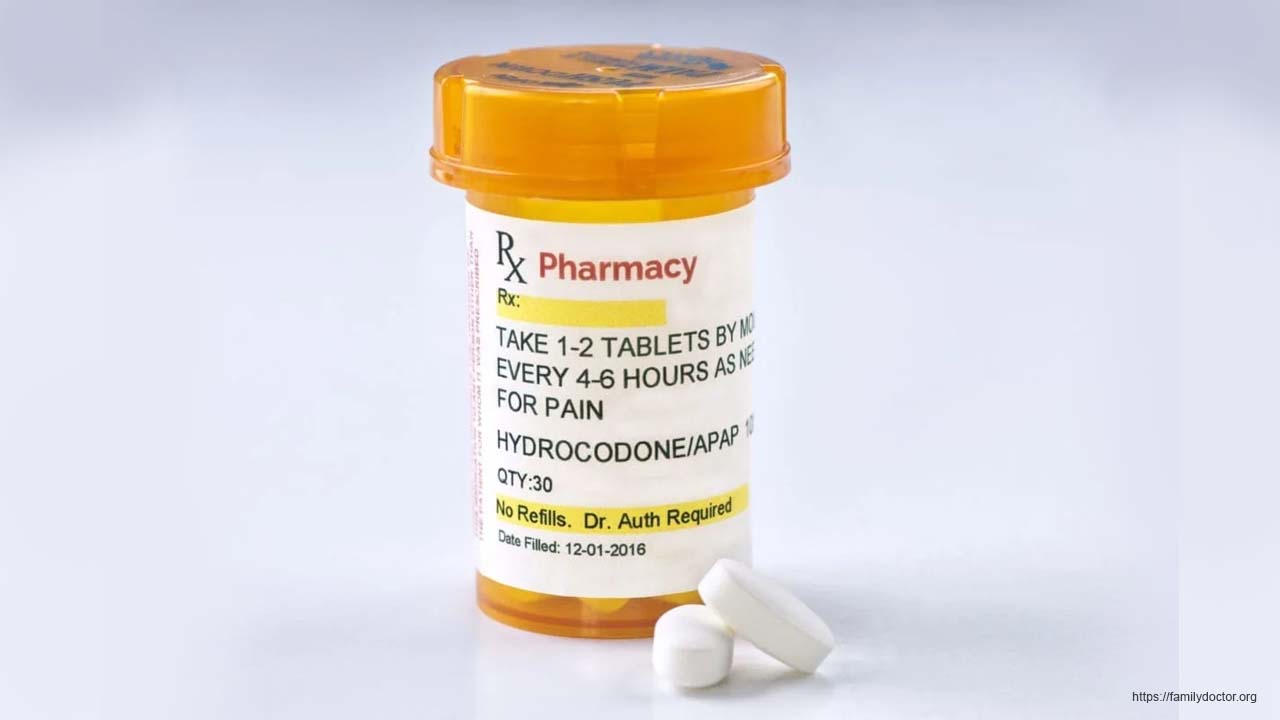
 Dependent on Painkillers? Know how to reduce your painkiller dependency with this blog. Today, we will tell you all you need to know about painkillers.




Are you dependent on painkillers? Well, if your answer is “YES,” this is a must-read for you. You are on the right page to reduce your painkiller dependency and overcome it finally. Did you know that painkillers have many side effects which may cause complications in the long run? Well, it is time to take action if you are dependent on painkillers and overcome them in the right way. The majority of us experience pain one or many times. The easiest way out of this is just popping a painkiller. Today we are going to tell you the best alternatives on how to reduce your painkiller dependency. Let us get started.
What are painkillers?
Painkillers as the name suggests are a palliative mode of treatment to reduce and overcome pain by popping in a pill. This so-called - CHILL PILL can be hazardous to health if it is popped in for a long period of time. The painkillers are usually termed as Non- steroidal anti-inflammatory drugs which are also called “NSAIDs.” This can be simple paracetamol or may also include Diclofenac agents which may cause many side effects on taking it for a longer term.
What are the side effects of painkillers?
Long-term side effects of painkillers are many and this may affect different parts and organs of the body. The side effects of painkillers are as follows-
- Constipation
- Dizziness
- Itching
- Excessive sweating
- Nausea
- Vomiting
- Affects kidney health
- Affects liver health
- Affects gut issues
- Depression
- Anxiety
- Increased heart rate
- Behavioral issues
Why should painkillers be taken in moderation?
Painkillers are also OTC medicines( Over Counter Medicines) which can cause more harm. Over-the-counter medicines are easy in availability and a palliative mode of treatment. It is advisable to take painkillers in moderation so that there are no major side effects. Continuous and long-term use of painkillers will cause many side effects which will be harmful in the long run.
It is important to take painkillers under the guidance of a doctor.
How can I reduce painkiller dependency?
It is important to reduce painkiller and drug dependency by taking the following into consideration-
- Taking Anti-inflammatory foods like curcumin extract
- Avoid junk and oily foods
- Avoid packaged foods
- Introducing antioxidants medicines
- Taking herbs and botanical extracts
- Drinking more water
- Taking vitamins and mineral supplements
- Taking protein foods and supplements
- Taking collagen-enriched supplements
- Cleanse your body to remove toxins
In short, a healthy diet and exercise can help in reducing painkiller dependency. It is important to introduce botanical extracts and herbs into the diet which can help in reducing pain and drug dependency.





.jpeg)




.jpg)
.jpg)
.jpg)
.jpg)
.jpg)
.jpg)


.jpg)
.jpg)
.jpg)
.jpg)
.jpg)
.jpg)