 Sunday, September 20, 2026
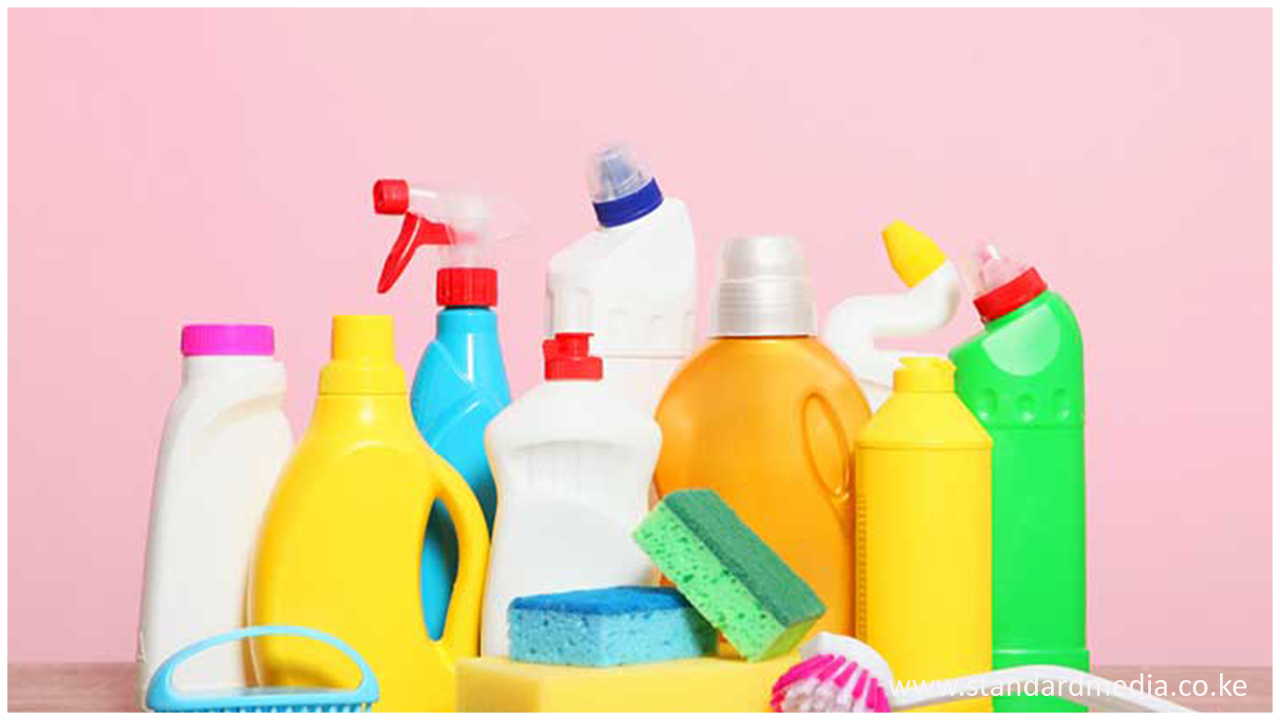
 From January to March 2020, poison centers received 45,550 calls about dangerous exposure to cleaning chemicals, the Centers for Disease Control and Prevention (CDC) said in a report, up from 37,822 the year before.




Calls to US poison focuses have risen 20 percent this year given a presentation to fade and different disinfectants, wellbeing specialists said Monday, connecting the flood to COVID-19 cleaning proposals.
From January to March 2020, poison focuses got 45,550 calls about the hazardous presentation to cleaning synthetic substances, the Centers for Disease Control and Prevention (CDC) said in a report, up from 37,822 the prior year.
The number of calls rose strongly in March - around the time that most state lockdowns became effective - with exposures to kids younger than five years representing the greatest rate.
Presentation to blanches, non-alcoholic disinfectants and hand sanitizers all observed sharp ascents, with the primary course being inward breath.
The CDC shared two contextual investigations to delineate the issue.
One concerned a lady who heard on the news it was essential to clean all staple goods before devouring them, thus filled her sink with a blend of 10 percent dye arrangement, vinegar, and heated water to splash her produce.
She noticed a poisonous smell and created trouble breathing while at the same time hacking and wheezing, and called 911.
She was taken to a crisis office where she was found to have marginally low degrees of oxygen in her blood, yet improved after being put on oxygen and given an inhaler. She was released a couple of hours after the fact.
The subsequent case was about a preschool-matured young lady who was discovered lethargic at home and who must be taken to an emergency clinic by a rescue vehicle.
A 64-ounce (two liters) container of liquor hand sanitizer was discovered open on the kitchen table. Her family said she got discombobulated after ingesting an obscure sum, fell and hit her head.
She spewed while in the rescue vehicle and was nearly nonresponsive.
Her blood liquor level was 273 milligrams for every deciliter, multiple occasions higher than the lawful beverage driving restriction of most US conditions of 80 mg/DL.
Mind checks didn't uncover a blackout, and she was admitted to a pediatric emergency unit where her psychological status improved and she was released following 48 hours.
The CDC stated: "The planning of these announced exposures related to expanded media inclusion of the COVID-19 pandemic, reports of customer deficiencies of cleaning and purification items, and the start of some nearby and state stay-at-home requests."
The wellbeing office prescribed that to keep away from such exposures, individuals utilizing cleaning items should consistently peruse and adhere to directions on names, just use water at room temperature for weakening, and abstain from blending synthetics.
They ought to likewise wear eye and skin assurance, guarantee they are cleaning with satisfactory ventilation, and keep synthetics far from youngsters





.jpeg)



.jpg)



.jpg)
.jpg)
.jpg)
.jpg)
.jpg)
.jpg)


.jpg)
.jpg)
.jpg)
.jpg)