 Thursday, October 08, 2026
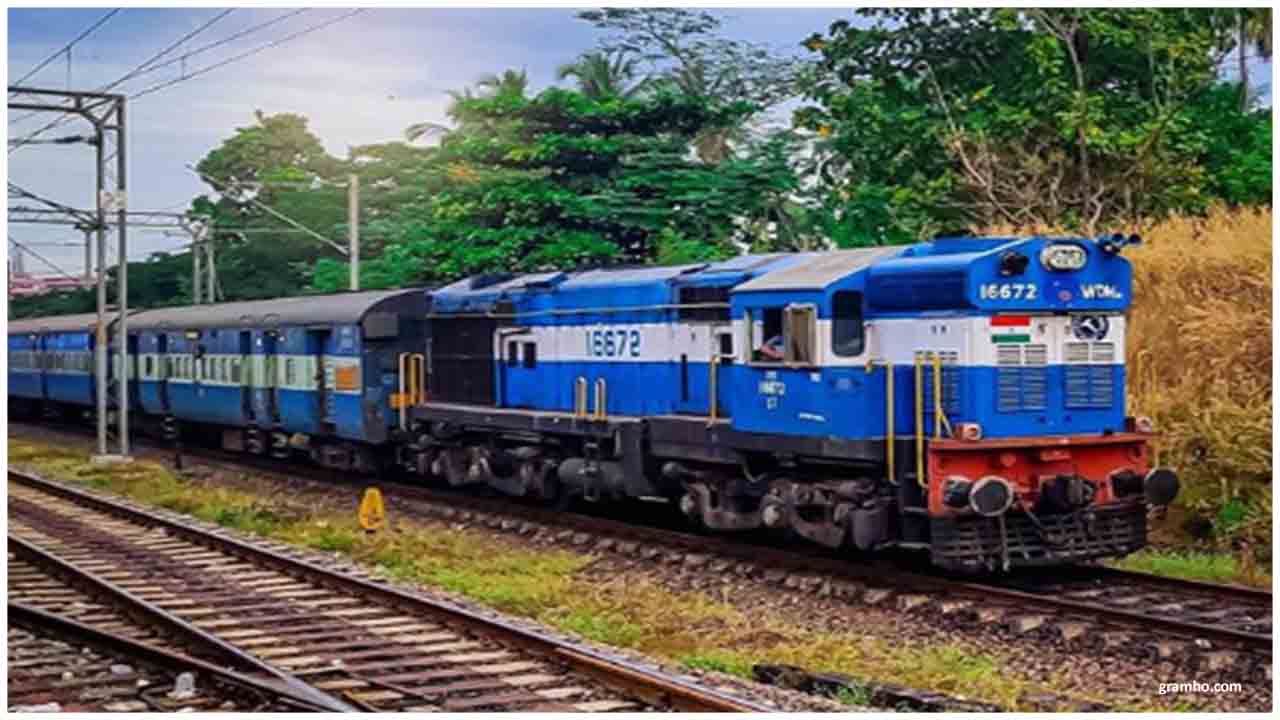
 No social distancing for ‘Shramiks’ in the special trains; Train travel won’t be same now





No social distancing for ‘Shramiks’ in the special trains
In a letter to all or any general managers and chief secretaries of states, railway board joint director Ajay Pratap Singh said, “All berths will now be allotted to passengers.” It means the number of passengers within the special trains, particularly with Broad-bodied LHB coaches, will rise from the prevailing 1,200 to around 1,700. Earlier, the railways had issued guidelines saying these trains should have a minimum of 90% occupancy to work and to make sure social distancing middle berth shouldn't be allotted.
The ministry has asked railway zones to supply three stoppages within the destination state aside from the ultimate stop at the request of the state concerned.
Justifying the move, a politician said thus far most the stranded migrant workers, students, and tourists who travelled were asymptomatic and most of them have followed the norms. Middle berth in these sleeper coaches has been allotted after clearance from the health ministry and experts. Moreover, the passengers are sensitised during the past 50 days’ lockdown and strict health protocols are followed at stations before they're allowed to travel home.
Another reason is that the pressing got to ferry desperate migrants and to require steps which will discourage people from attempting to steer to their native places. “No movement allowed apart from using the toilets,” said a source.
Till late Monday night, Indian Railways had run 513 Shramik Specials transporting a minimum of six lakh workers, students, and tourists since May Day. Officials said final numbers are going to be higher as some more trains would depart by midnight.
“We have allocated over 1,200 trains with which we will run 300 ‘Shramik Special’ trains every day in order that all migrants can reach their destination quickly,” railway minister Piyush Goyal tweeted on Monday. Over 40% of trains started from Gujarat thus far , while UP, Bihar, and Odisha have received most of those trains.
Sources said these trains will continue till there's demand from states. He appealed to state governments to hurry up approvals for the transportation of migrants.
Train travel won’t be same now
All passengers with confirmed tickets will go to reach railway stations a minimum of 90 minutes before scheduled departure of any special train which will start plying between Delhi and 15 other cities from Tuesday (today), a norm that was applicable for domestic aviation till now.
The passengers also got to carry less luggage with them and convey their own food, as there'll be no catering service or provision for pre-paid booking of meals in these trains, except IRCTC making provision for limited eatables like dry and ready-to-eat food and packaged beverage on payment basis. they're going to even be required to hold their own linen, as railways won’t provide linen, blankets, and curtains. However, the temperature inside AC coaches shall be “suitably regulated”, the railway ministry said.
The first eight trains will start plying from Tuesday including three from New Delhi — heading to Dibrugarh, Bengaluru and Bilaspur — one each from Mumbai Central, Howrah, Ahmedabad, Bengaluru and Patna to Delhi. Another nine trains will start their trip on Wednesday.
Addressing a serious concern of how passengers can reach stations amid a lockdown, the housing ministry issued guidelines said passengers also as a driver of the vehicle transporting them the railroad station shall be allowed on the idea of the confirmed e-ticket.
In a detailed guideline, the railway ministry said bookings are often done through IRCTC for max seven days beforehand and no waitlist or RAC tickets are going to be issued.
The railways allowed booking for all berths including the center berth in 3AC coaches whilst the house ministry guidelines require social distancing by passengers inside the trains.
Only passengers with confirmed tickets are going to be allowed to enter the station after proper thermal screening and only asymptomatic persons are going to be allowed to travel.





.jpeg)










.jpg)
.jpg)
.jpg)
.jpg)
.jpg)
.jpg)


.jpg)