 Saturday, November 21, 2026
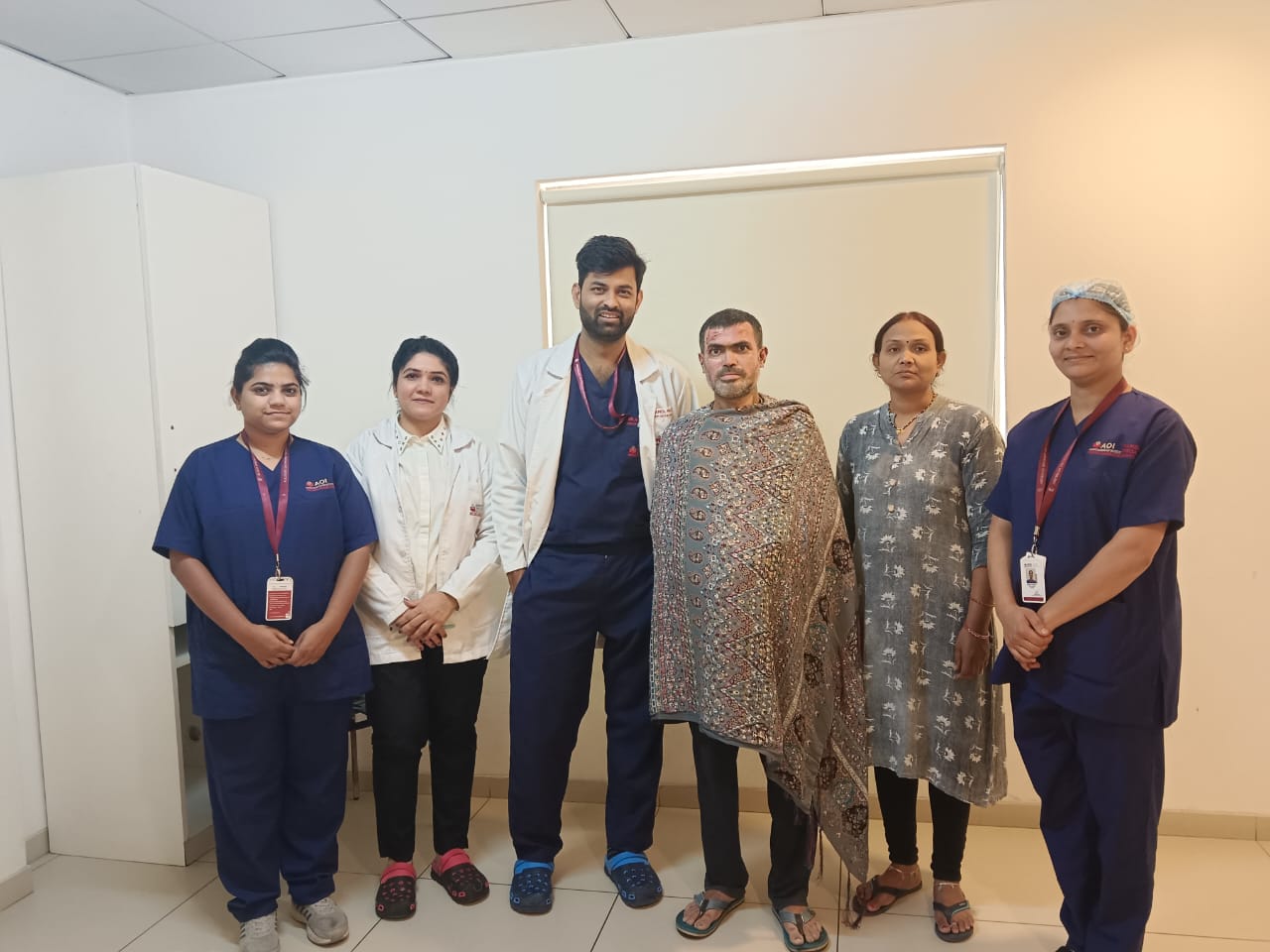
 At AOI, we pride ourselves on our ability to handle even the most challenging medical situations. We are equipped with cutting-edge technology and experienced staff who are trained to manage and treat complications associated with burn injuries. We are committed to delivering exceptional care to our patients.





Nagpur, 22nd May 2024 – The Intensivist and Critical Care team of American Oncology Institute (AOI) at Nangia Specialty Hospital in Nagpur successfully treats a 34-year-old male patient who suffered a severe burn injury. The patient arrived at AOI Nagpur with accidental burn injuries affecting his face and torso (chest and abdomen areas), covering a total of 45% of his body surface area (BSA).
Upon admission, he presented with respiratory distress and hypotension, requiring immediate intervention in the isolation ICU. Under the expert care of the medical team, the patient underwent aggressive fluid therapy and pain management, initially responding well. However, his condition later deteriorated, leading to bloodstream infection and septic shock, accompanied by acute kidney injury.
Dr Amol Parate, Intensivist and Critical Care Specialist, AOI Nagpur, commented, “The successful treatment and recovery of this patient highlights the dedication and expertise of our medical team. Burn injuries pose significant risks to patients, including complications such as infections, septic shock, and organ failure. Despite encountering numerous hurdles along the way, our team remained steadfast in our commitment to providing the highest standard of care. Through diligent monitoring and tailored treatment plans, we were able to navigate these challenges and achieve a positive outcome for the patient."
Dr Hrushikesh Phate, Facility Director, AOI Nangia Specialty Hospital, Nagpur mentioned, "Behind every successful clinical outcome lies the synergy of expertise and empathy, a testament to the collaborative efforts of our medical team. Our medical team, with their expert skills and empathetic approach, navigated the complexities of treatment with precision and care. They provided not only medical intervention but also emotional support, ensuring our patient felt valued and supported throughout their recovery. The successful outcome for this patient exemplifies our steadfast dedication to delivering superior healthcare services and underscores the transformative power of compassion in healing."
Dr Amit Dhawan, Regional Chief Operating Officer, AOI Central Region, stating, "At AOI, we pride ourselves on our ability to handle even the most challenging medical situations. We are equipped with cutting-edge technology and experienced staff who are trained to manage and treat complications associated with burn injuries. We are committed to delivering exceptional care to our patients."
In response to culture and sensitivity reports, antibiotics were escalated, leading to improved blood pressure and stabilization of kidney function after a 7-day course of treatment. Throughout his hospitalization, the patient underwent multiple debridement (removal of damaged or dead tissue from a wound) procedures and dressing changes to manage the burn wounds. Despite these challenges, he experienced another setback with the development of septic shock caused by a multidrug-resistant organism. Antibiotics were adjusted to polymyxin therapy, supported by vasopressors, resulting in significant improvement in the patient's vital signs. After undergoing skin grafting and enduring a two-month hospital stay, the patient was discharged in stable condition, marking a remarkable milestone in his recovery journey.





-23-300x250.png)




















