 Sunday, October 11, 2026
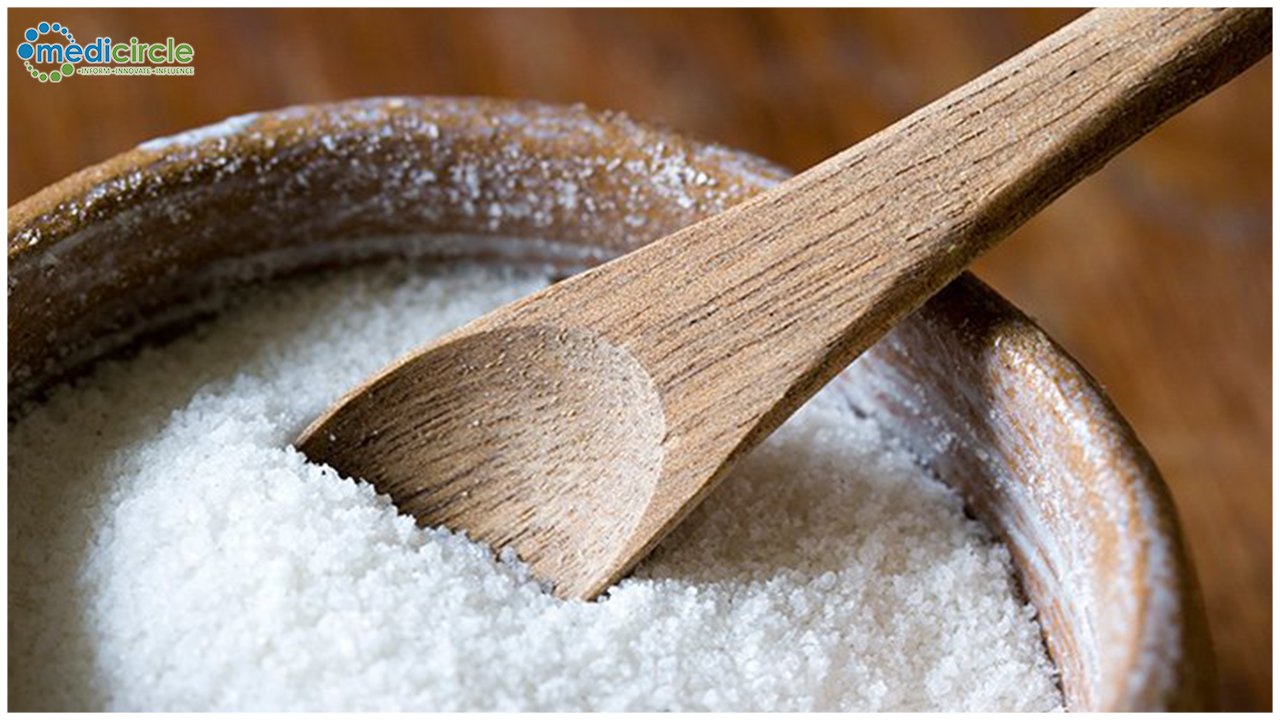
 Salt has been accused to be hazardous but little do we know that it helps our body function properly as well




If you are under the feeling that salt is simply one more approach to diminish your Health and add to your waistline, at that point you should know there are advantages to adding somewhat salt to your eating routine. Salt does a job in water maintenance, muscle compression, and contains supplements that are crucial to your stomach. Salt with some restraint is in reality critical to your eating regimen. Look at why:
Salt Helps Retain Water in the Body
Our bodies depend on electrolytes, including salt, to assist convey with excursion electrical driving forces that control a significant number of our bodies' capacities. To keep our bodies working as they should, our bodies need the best possible measure of electrolytes. Electrolytes trigger the thirst system, which causes us to expend sufficient measures of water. With this water, our kidneys can keep the proper measure of electrolytes in our circulation system. The measure of water our bodies hold additionally sway circulatory strain. Consider it: a lot of bars and eateries give complimentary salty bites. Why? They make you parched and needing to buy more beverages!
Salt Stimulates Muscle Contraction
Salt is critical to the nerves, as it invigorates muscle withdrawal; this will likewise help keep your muscles from squeezing. Salt additionally keeps calcium and different minerals in the circulation system. It additionally animates the adrenal organs. Salt is additionally significant in the avoidance of warmth surrender and sunstroke, which is critical to recall during blistering summer months.
Salt Contains Nutrients Vital to the Digestive System
Salt assumes an essential job in the procedures of processing and assimilation. Salt enacts a catalyst in the mouth called salivary amylase. Now, the salt permits your taste buds to taste the nourishment. Salt likewise assumes a job in processing by assisting with separating nourishment. Salt additionally makes hydrochloric corrosive. Hydrochloric corrosive is a significant stomach related emission, which lines the stomach dividers. Salt enables your body to process nourishment, instead of attempting to eat itself.
A Lack of Salt Is Dangerous
A sodium lack is a wellbeing condition where a body neglects to get a satisfactory stockpile of sodium. Sodium lack can turn out to be incredibly pervasive in exorbitant temperatures, which cause the body to sweat intensely and examples of drying out will set in. Sodium lack can prompt stun if the circulatory strain is diminished too harshly. Salt is essential to acceptable nourishing status. Too little can cause unsettling influences in tissue-water and corrosive base equalization, which is essential to acceptable sustenance.
Keep in mind, eats fewer carbs excessively high in sodium can prompt high water maintenance and hypertension. By and large, salt is commonly nontoxic to adults, if it is discharged appropriately. The most extreme measure of sodium that ought to be joined into a sound eating routine should go from 2,400-3,000 mg/day.





.jpeg)










.jpg)
.jpg)
.jpg)
.jpg)
.jpg)
.jpg)


.jpg)