 Saturday, October 10, 2026
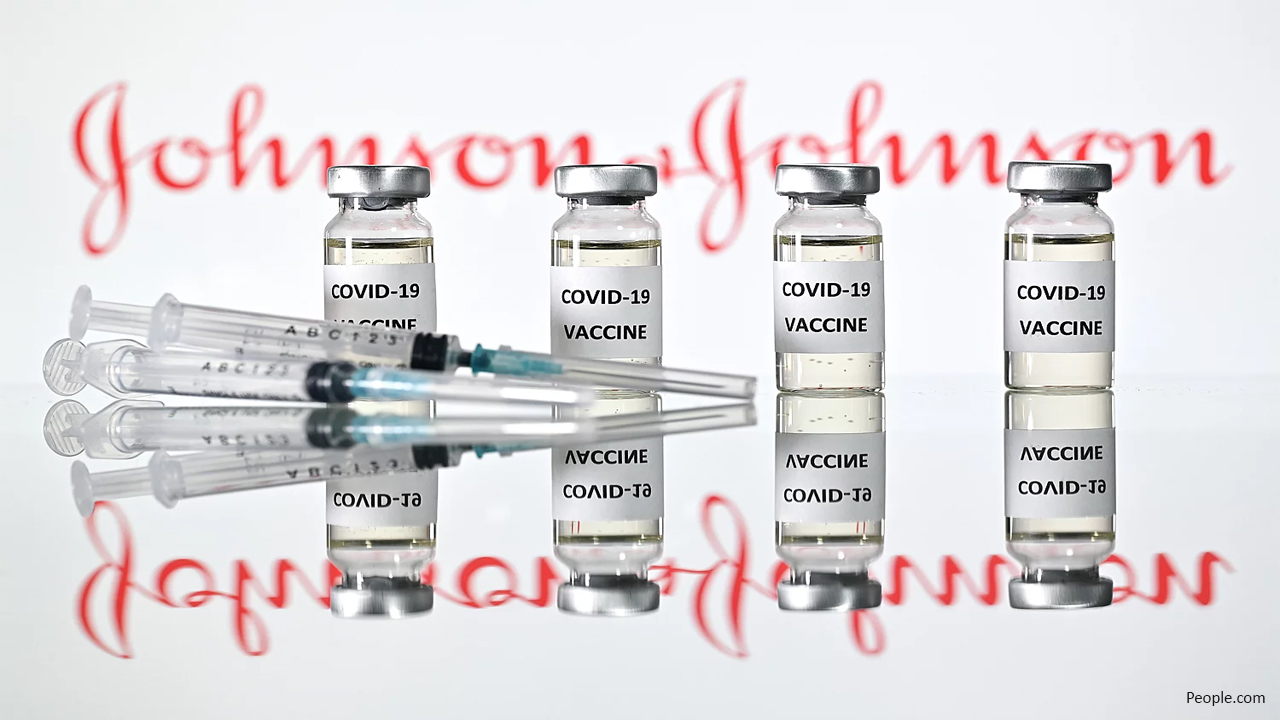
 Johnson and Johnson vaccine may not be efficient as others but may prove to be of use due to raging pandemic and shortage of standard vaccines




Johnson & Johnson's Covid-19 single-shot vaccine was shown to be 66% effective in preventing moderate and severe disease in a global Phase 3 trial, but 85% effective against severe disease, the company announced Friday.
The vaccine was 72% effective against moderate and severe disease in the US, the company said. It's a striking difference from vaccines from Pfizer/BioNTech and Moderna, and it may give pause to people uncertain about which vaccine to get or when they can get one. The vaccines already on the market in the US are about 95% effective overall against symptomatic Covid-19, with perhaps even higher efficacy against severe cases.
But experts say the Johnson & Johnson vaccine will still be useful against the pandemic in the United States and around the world. Dr Anthony Fauci said on Friday the Johnson & Johnson vaccine and others will help alleviate stress on the US health care system.
"If we can alleviate that, that is really important -- not only with this candidate but the others that have already gotten the EUA," Fauci, director of the National Institute of Allergy and Infectious Diseases, said during a call with reporters on Friday morning."If you can prevent severe disease in a high percentage of individuals, that will alleviate so much of the stress and human suffering and death."
The vaccine's efficacy against moderate and severe disease ranged from one country to another: 72% in the US, 66% in Latin America and 57% in South Africa. This was measured starting one month after the shot.
In South Africa, 95% of cases in the trial were due to a variant known as B.1.351, which is known to be more contagious and carries mutations that may make the virus less susceptible to the antibody immune response -- including antibodies prompted by vaccination.
With that variant, "we have a lower protection against milder forms of Covid than we did in the United States, where there were more typical circulating variants," Dr Mathai Mammen, the company's global head of research and development, told CNN Chief Medical Correspondent, Dr Sanjay Gupta.
However, even those who got moderate cases of Covid-19 in the trial tended to develop a milder course and fewer symptoms, he added.
But for Mammen, the key result was how effective the vaccine was at preventing severe disease -- regardless of variant or age group.
"Across all geographies, across all variants, we see 85% protection" against severe disease, he said. That trend increased over time, with no severe cases in the vaccinated group after day 49, according to the company.
From one month after the shot, all hospitalizations and deaths occurred in the placebo group.
The results are based on an analysis of more than 44,000 participants in eight countries, with 468 total cases of Covid-19 split between those receiving the vaccine or placebo. The results have not been published in a peer-reviewed journal, but the company said it plans to do so "in the coming weeks."
Johnson & Johnson is expected to apply to the US Food and Drug Administration next week for emergency use authorization, which Mammen said could come by late February.
It will be the third company to seek EUA from the FDA for a coronavirus vaccine. Vaccines made by Moderna and by Pfizer/BioNTech were authorized in December and are now being given to millions of Americans.
https://edition.cnn.com/2021/01/29/health/johnson-coronavirus-vaccine-results/index.html






.jpeg)










.jpg)
.jpg)
.jpg)
.jpg)
.jpg)
.jpg)


.jpg)