 Saturday, October 10, 2026
 Know your doshas and strike a balance through Ayurveda with a healthy lifestyle. Embrace a healthy mental and physical well being with the ayurvedic doshas




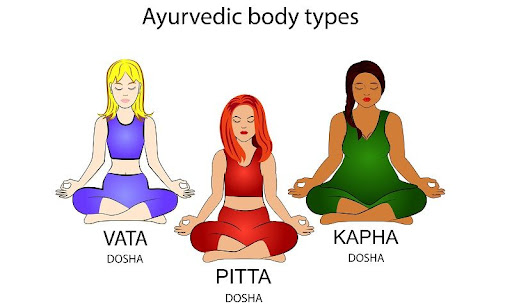
Ayurveda divides people into three categories and doshas. Every person has an imbalance of some dosha, due to which he becomes ill.
These doshas are of three types – Vata (air), Pitta (fire), Kapha (earth).
Vata (air):
People with Vata dosha are like air. They are full of energy and are always active. These people who are physically thin and curious by nature are constantly in search of some stimulation and new experiences. They have a creative approach to life and work. People with Vata are troubled by cold and skin disorders. These people need more rest due to less sleep.
Vata dosha imbalances can lead to weight loss, weakness, restlessness, and digestive problems.
To keep it under control, eat heavy and good food. Salty, sour, and sweets benefit such people. They should not eat bitter and spicy food. Rice is the best food for them. Among fruits, mango, papaya, dates, pineapple and dry fruits will be fine for you.
Spices, such as black pepper, cumin, cinnamon, cardamom, salt, fennel, clove, basil, mustard, and carom seeds are able to balance Vata.
Pitta (fire):
Like Agni, these types of people are energetic and like challenges. That's why they can become great leaders and have good management ability. These people have a good digestive system and at the same time, they also feel very hungry. These people are able to explain their point properly and can do every task very well.
The imbalance of pitta dosha causes problems like burning sensation, inability to stay in a hot environment, rashes, and heartburn. People of this tendency should eat less salty, pungent, and sour food. Sweet fruits like mango, ripe pineapple, orange, etc. are beneficial for them. Avoid citrus fruits
In vegetables, green and leafy vegetables, cabbage, celery, okra, cucumber, beans, potatoes, salad, etc. are beneficial for you. Avoid garlic, onion, carrot, beet, radish, garam masala, and spinach, etc.
Kapha (earth):
People with Kapha dosha tend to be calm, stable, and grounded like the earth. They are loving, loyal and do not like to be in the limelight. They are strong, stocky, and slow-moving. They like a fixed routine and find happiness in a slow life. Their weight easily increases.
When their Kapha becomes unbalanced, problems like weight gain, stress, tumors, and fluid retention start to appear.
In this case, a light diet helps in reducing heaviness. Bitter and spicy food is good, but at the same time, you are advised to give up sweets and salty food.
These people can eat all vegetables, but it is not good for them to eat sweet and juicy vegetables, such as sweet potatoes and tomatoes. Detoxifying foods and juices are best for people suffering from phlegm, as they keep the digestive system healthy. Fruits such as pears, apples, apricots, etc. help in keeping the body balanced. You should avoid fruits like bananas, oranges, and watermelon.
So, know the right dosha for your body and heal yourself from within from the root cause.





.jpeg)










.jpg)
.jpg)
.jpg)
.jpg)
.jpg)
.jpg)


.jpg)