 Thursday, October 08, 2026
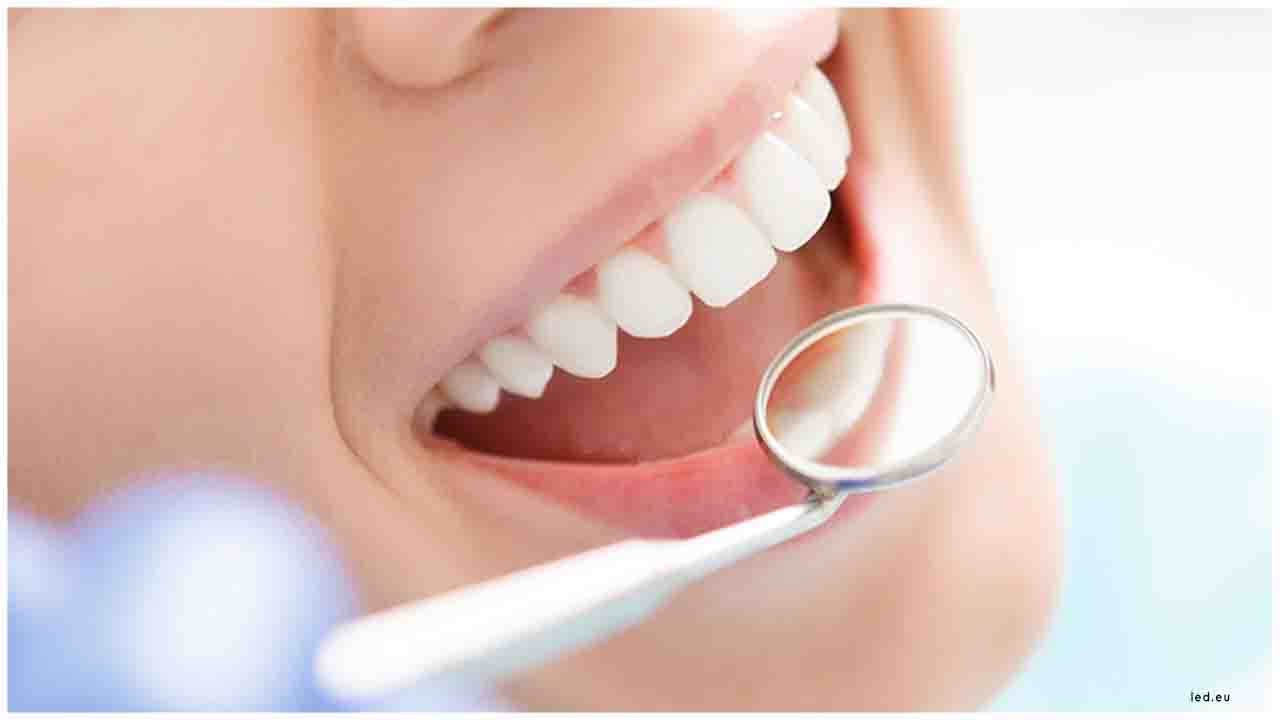
 The earlier that oral disease is analyzed, the better the standpoint.




Dental and oral wellbeing is a basic piece of your general wellbeing and prosperity. Helpless oral cleanliness can prompt dental depressions and gum malady and has likewise been connected to coronary illness, disease, and diabetes.
Keeping up solid teeth and gums is a long-lasting responsibility. The prior you learn legitimate oral cleanliness propensities —, for example, brushing, flossing, and restricting your sugar admission — the simpler it'll be to maintain a strategic distance from expensive dental systems and long haul medical problems.
Realities about dental and oral wellbeing
Dental pits and gum malady are extremely normal. As per the World Health Organization (WHO)
- Between 60 and 90 percent of younger students have in any event one dental cavity
- Nearly 100 percent of grown-ups have in any event one dental pit
- Between 15 and 20 percent of grown-ups ages, 35 to 44 have extreme gum malady
- About 30 percent of individuals around the globe ages 65 to 74 don't have any characteristic teeth left
-
In most nations, out of each 100,000 individuals, there are somewhere in the range of 1 and 10 instances of oral malignancy
- The weight of oral sickness is a lot higher in poor or hindered populace gatherings
There are numerous means you can take to keep your teeth solid. For instance, dental and oral ailment can be incredibly diminished by:
- brushing your teeth with fluoride toothpaste, in any event, two times every day
- flossing your teeth in any event once per day
- decreasing your admission of sugar
- eating an eating routine high in products of the soil
- avoiding tobacco items
- drinking fluoridated water
- seeking proficient dental consideration
Indications of dental and oral issues
You shouldn't hold up until you have indications to visit your dental specialist. Setting off to the dental specialist two times every year will for the most part permit them to get an issue before you even notification any manifestations.
On the off chance that you experience any of the accompanying notice indications of dental medical problems, you should make an arrangement to consider you’re to be as quickly as time permits:
- ulcers, wounds, or delicate regions in the mouth that won't mend following possibly 14 days
- bleeding or swollen gums in the wake of brushing or flossing
- chronic terrible breath
- sudden affectability to hot and cold temperatures or drinks
- pain or toothache
- loose teeth
- receding gums
- pain with biting or gnawing
- swelling of the face and cheek
- the clicking of the jaw
- cracked or broken teeth
- frequent dry mouth
In the event that any of these indications are joined by a high fever and facial or neck growing, you should look for crisis clinical treatment. Get familiar with the notice indications of oral medical problems.
Reasons for dental and oral sicknesses
Your oral cavity gathers a wide range of microbes, infections, and growths. Some of them have a place there, making up the ordinary verdure of your mouth. They're commonly innocuous in little amounts. Be that as it may, an eating regimen high in sugar makes conditions in which corrosive creating microscopic organisms can thrive. This corrosive disintegrates tooth polish and causes dental cavities.
Microscopic organisms close your gum line flourish in a clingy grid called plaque. Plaque aggregates solidify and relocate down the length of your tooth on the off chance that it isn't expelled consistently by brushing and flossing. This can aggravate your gums and cause the condition known as gum disease.
Expanded irritation makes your gums start to pull away from your teeth. This procedure makes pockets in which discharge may in the long run gather. This further developed phase of gum sickness is called periodontitis.
There are numerous components that add to gum disease and periodontitis, including:
- smoking
- poor brushing propensities
- frequent eating on sweet nourishments and beverages
- diabetes
- the utilization of meds that diminish the measure of salivation in the mouth
- family history, or hereditary qualities
- certain diseases, for example, HIV or AIDS
- hormonal changes in ladies
- acid reflux, or acid reflux
- frequent regurgitating, because of the corrosive
Diagnosing dental and oral ailments
Generally, dental and oral issues can be analyzed during a dental test. During a test, your dental specialist will intently investigate your:
- teeth
- mouth
- throat
- tongue
- cheeks
- jaw
- neck
Your dental specialist may tap or scratch at your teeth with different devices or instruments to help with a finding. An expert at the dental specialist's office will take dental X-beams of your mouth, making a point to get a picture of every one of your teeth. Make certain to tell your dental specialist in case you're pregnant. Ladies who are pregnant shouldn't have X-beams.
An apparatus called a test can be utilized to quantify your gum pockets. This little ruler can tell your dental specialist whether you have gum sickness or retreating gums. In a solid mouth, the profundity of the pockets between the teeth is for the most part somewhere in the range of 1 and 3 millimeters (mm). Any estimation higher than that may mean you have gum ailment.
In the event that your dental specialist finds any anomalous bumps, sores, or developments in your mouth, they may play out a gum biopsy. During a biopsy, a little bit of tissue is expelled from the development or injury. The example is then sent to a research facility for assessment under a magnifying instrument to check for malignant cells.
On the off chance that oral malignancy is suspected, your dental specialist may likewise arrange imaging tests to check whether the disease has spread.
Tests may include:
- X-beam
- MRI check
- CT check
- endoscopy
Sorts of dental and oral maladies
We utilize our teeth and mouths for a great deal, so it does not astonish what number of things can turn out badly after some time, particularly in the event that you don't take appropriate consideration of your teeth. Generally, dental and oral issues can be forestalled with legitimate oral cleanliness. You'll likely involvement with at least one dental issue during your lifetime.
Cavities
Cavities are likewise called caries or tooth root. These are zones of the tooth that have been for all time harmed and may even have openings in them. Holes are genuinely normal. They happen when microscopic organisms, food, and corrosive coat your teeth and structure a plaque. The acid on your teeth begins to consume the finish and afterward the basic dentin, or connective tissue. After some time, this can prompt perpetual harm.
Gum malady (gum disease)
Gum malady, likewise called gum disease, is irritation of the gums. It's typically the consequence of plaque developing on your teeth because of helpless brushing and flossing propensities. Gum disease can make your gums expand and drain when you brush or floss. Untreated gum disease can prompt periodontitis, progressively genuine contamination.
Periodontitis
As periodontitis advances, the disease can spread to your jaw and bones. It can likewise cause a provocative reaction all through the body.
Split or broken teeth
A tooth can split or break from a physical issue to the mouth, biting hard nourishments, or crushing the teeth around evening time. A split tooth can be agonizing. You should visit your dental specialist immediately in the event that you've split or broken a tooth.
Sensitive teeth
In the event that your teeth are touchy, you may feel torment or distress in the wake of having cold or hot nourishments or refreshments.
Tooth affectability is additionally alluded to as "dentin excessive sensitivity." It once in a while happens briefly in the wake of having a root waterway or a filling. It can likewise be the aftereffect of:
- gum illness
- receding gums
- a split tooth
- worn-down fillings or crowns
A few people normally have delicate teeth since they have more slender polish.
More often than not, normally delicate teeth can be treated with an adjustment in your day by day oral cleanliness routine. There are explicit brands of toothpaste and mouthwash for individuals with delicate teeth.
Oral disease
Oral diseases incorporate malignant growth of the:
- gums
- tongue
- lips
- cheek
- the floor of the mouth
- a hard and delicate sense of taste
A dental specialist is normally the principal individual to perceive oral disease. Tobacco use, for example, smoking and biting tobacco, is the greatest hazard factor for oral malignant growth.
As indicated by the Oral Cancer Foundation (OCF), almost 50,000 Americans will be determined to have oral malignancy this year. As a rule, the earlier that oral disease is analyzed, the better the standpoint.





.jpeg)










.jpg)
.jpg)
.jpg)
.jpg)
.jpg)
.jpg)


.jpg)