 Saturday, October 10, 2026
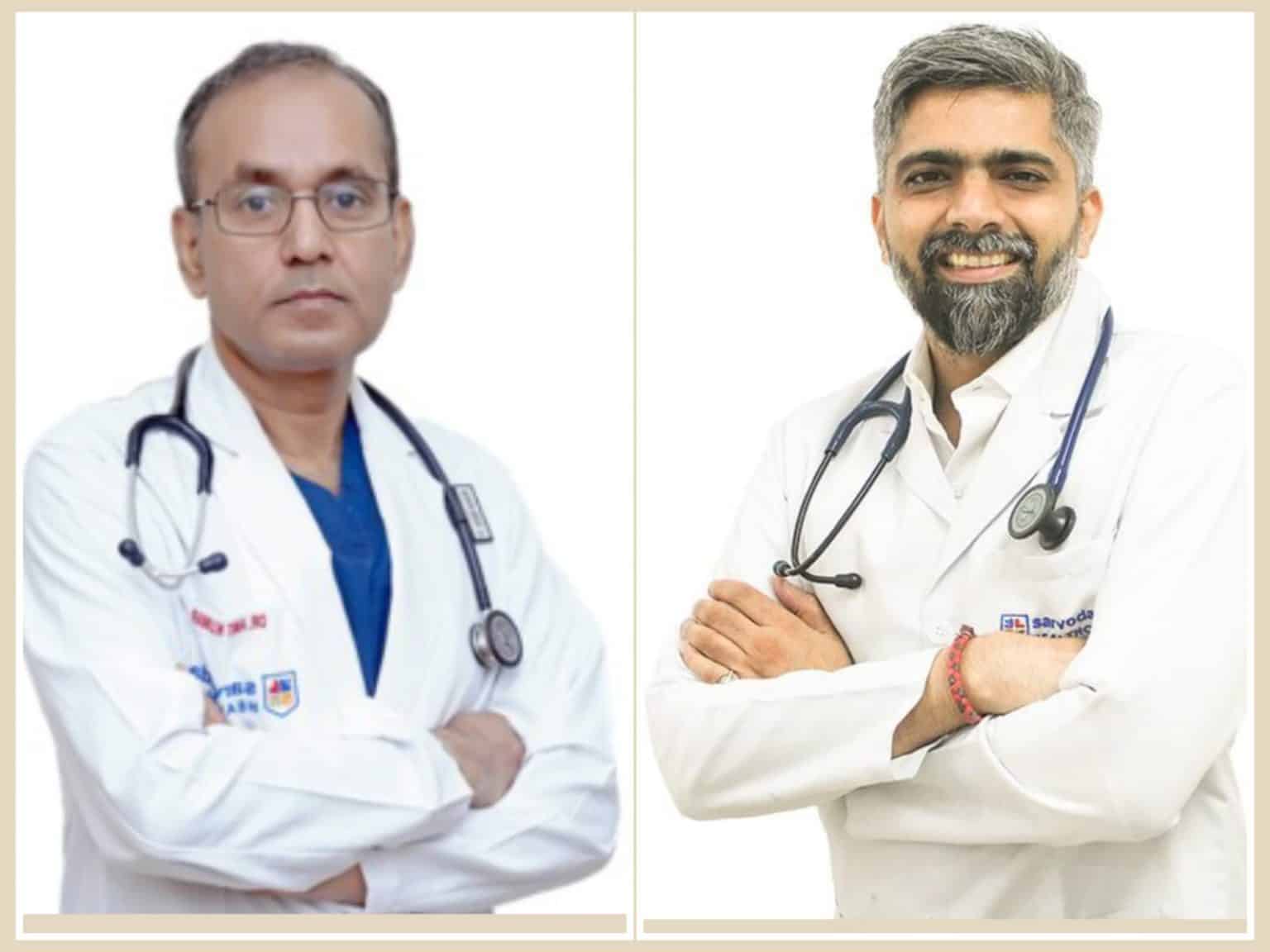
 The TAVR procedure was promptly performed to prevent further deterioration of the patient's health. Guidelines suggest that even at the early stages of severe stenosis, evaluation and intervention should be prioritized."




Faridabad, December 14, 2023, In a ground-breaking medical intervention, a team of cardiac experts led by Dr. Ranjan Modi, Senior Consultant, Interventional Cardiology, successfully performed a Trans catheter Aortic Valve Replacement (TAVR) procedure to address severe aortic stenosis in a patient from Congo. The life-saving procedure took place at Sarvodaya Hospital, Sector 8, Faridabad, underscoring the hospital's commitment to providing cutting-edge cardiac care.
Roger, the patient in question, had been grappling with breathing difficulties for several months, which intensified over the last 1.5 months. Diagnosis by Dr. Modi revealed severe aortic stenosis, a condition that, if left untreated, could lead to heart failure. Aortic stenosis predominantly affects individuals over 60 years old, causing a progressive narrowing of the aortic valve and restricting blood flow, putting significant strain on the heart.
The medical team, consisting of experts like Dr. Amit Kumar, Associate Director - Interventional Cardiology, promptly executed the TAVR procedure, a minimally invasive alternative to open-heart surgery. The procedure, completed in approximately 30 minutes to an hour, involved using a small catheter to deliver the valve through a small incision in the groin, eliminating the need for open-heart surgery.
"Early intervention is crucial in cases of severe aortic stenosis," emphasized Dr. Amit Kumar. "The TAVR procedure was promptly performed to prevent further deterioration of the patient's health. Guidelines suggest that even at the early stages of severe stenosis, evaluation and intervention should be prioritized."
The TAVR procedure, a specialized approach requiring coordination among cardiologists, cardiac surgeons, anaesthetists, technicians, and nursing staff, offers several advantages, including avoiding open-heart surgery, shorter hospital stays, and faster recovery. Roger's rapid recovery, with just two days in the ICU followed by a day in a regular room, highlights the efficacy of TAVR in restoring patients to their routine activities within a short time frame.
Dr. Ranjan Modi, Senior Consultant - Interventional Cardiology, highlighted the significance of the intervention, stating, "The goal is to enable patients to lead normal lives as swiftly as possible. TAVR not only circumvents the need for open-heart surgery but also ensures a quicker return to regular activities with lesser chances of infection and reduced post-operative pain."
Dr. Modi added, "This medical triumph signifies a paradigm shift in the treatment of severe aortic stenosis, offering hope and a new lease on life for patients like Roger. We encourage individuals experiencing symptoms such as breathing difficulties to seek timely evaluation, as early intervention can be a life-saving measure."
This successful TAVR procedure represents not only a significant milestone for Sarvodaya Hospital but also a beacon of hope for patients worldwide grappling with severe aortic stenosis. The hospital remains committed to advancing medical interventions that prioritize patient well-being, paving the way for a healthier and more resilient future.






.jpeg)










.jpg)
.jpg)
.jpg)
.jpg)
.jpg)
.jpg)


.jpg)