 Sunday, October 11, 2026
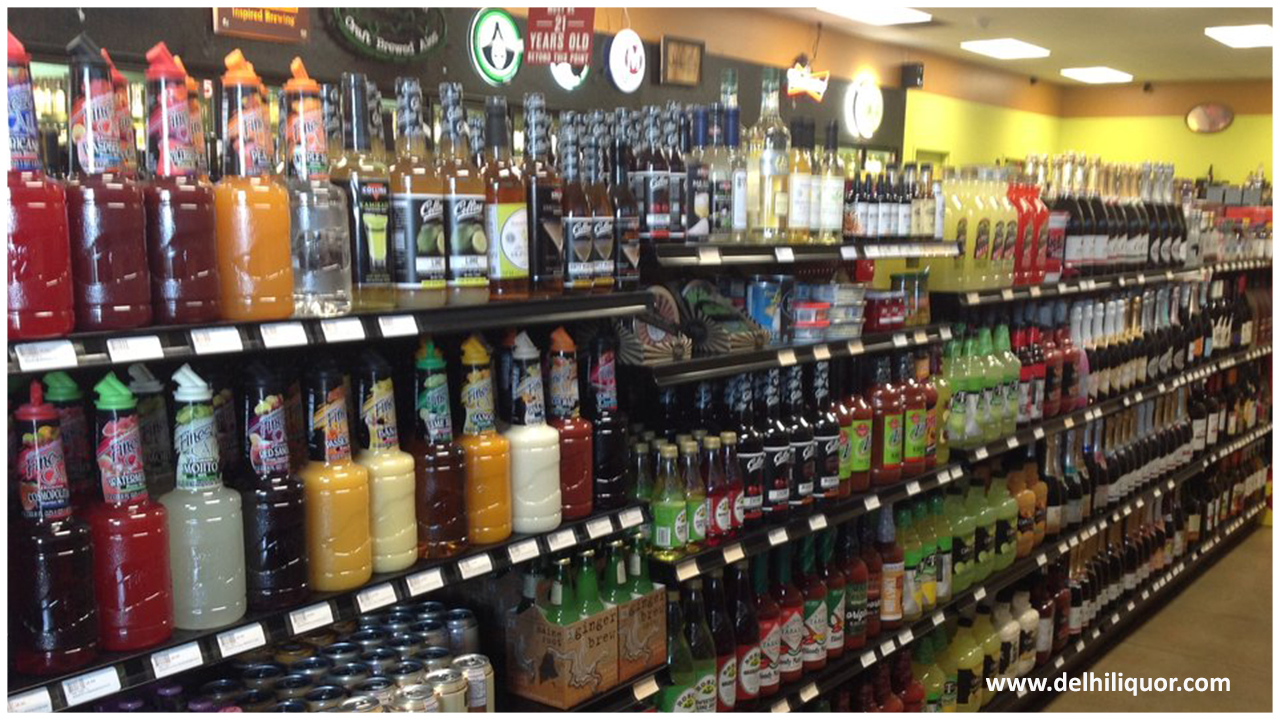
 Despite Russia's reputation for hard drinking, alcoholism has been on the wane in the country for years, in part due to anti-drink campaigns and aggressive moves by authorities to control sales




Stuck in squeezed flats and battling with fears of the coronavirus and its monetary effect, numerous Russians are stressed over the arrival of an old evil spirit.
"At the point when I got myself alone at home, the main idea I had was 'ah, it's a decent time to become inebriated,'" says Tatyana, a recouping alcoholic on lockdown in Moscow.
"Not every person figures out how to oppose during the repression," says the 50-year-old, who has been calm about seven years and is going to Alcoholics Anonymous gatherings on the web.
Regardless of Russia's notoriety for hard-drinking, liquor abuse has been on the disappear in the nation for quite a long time, to some extent because of against drink battles and forceful moves by specialists to control deals.
Liquor utilization in Russia fell by more than 40 percent somewhere in the range of 2003 and 2016, as indicated by the World Health Organization, and Russian grown-ups started drinking less on normal than the French or Germans.
In any case, specialists and campaigners are highlighting stressing signs that under-stress Russians might be restoring old propensities.
Liquor buys bounced after specialists forced lockdown arranges in late March, with deals in the principal seven day stretch of disconnection ascending by 65 percent, as indicated by statistical surveying bunch GfK.
Confinement and tension
In an overview by crusade bunch Sober Russia, 75 percent of respondents announced purchasing more liquor than expected, like what they would buy in front of New Year's Eve.
Many were essentially accumulating, however, deals were likewise supported by misconceptions that liquor can forestall the infection.
"80% of those we overviewed feel that liquor inoculates you against COVID-19, while in actuality, it debilitates resistance and fuels ceaseless conditions," says Sober Russia's central Sultan Khamzayev.
Vasily Shurov, a therapist gaining practical experience in compulsion, says the telephone hasn't quit ringing at the private habit center he heads in Moscow. Every one of its places is currently full or saved.
"In disconnection, patients who are delicate experience a more elevated level of uneasiness" and those in danger "begin drinking as it's the main way they can unwind," he says.
In the facility, ghastly patients meander through the hallways and assemble in the smoking room.
A tousled man in his 30s says that he showed up three days sooner and "it's better along these lines, for everybody back home".
Alongside expanded drinking, bunches helping casualties of aggressive behavior at home say the quantity of announced assaults has developed drastically since the lockdown began.
More significant levels of drinking may not be the main factor, yet Anna Rivina, the leader of Moscow's "No to Violence" casualty bolster focus, says that "liquor rouses the demon" and ladies are detailing "progressively extreme" viciousness.
Ascend in household misuse
Mari Davtyan, a legal counselor who speaks to casualties and crusades for better enactment, says she has gotten a few records from ladies of how their accomplices assaulted them during lockdown gorges.
One of them, 32-year-old Irina who lives in the Moscow district with her two-year-old kid, said in her record: "My better half was laid off. He began drinking and beating us.
"I needed to go live with my folks yet he took steps to report me to the specialists and state I was placing my youngster in peril by leaving our home."
Rights campaigner Alyona Popova is requiring a crisis law to be passed to guarantee ladies escaping aggressive behavior at home are not punished for defying lockdown norms.
"You're stuck home with your oppressor, no cash to leave. Liquor and neediness increment the savagery," she says.
Calm Russia is calling for limitations on the measure of liquor an individual can purchase and terminations of shops selling liquor.
"A colossal measure of work has been done as of late. In any case, today we are in a crisis circumstance," its head Khamzayev says.
"We chance to lose what we've practiced as individuals end up without work and discouraged... At the point when the lockdown closes, we can expect a long and profound financial emergency."
Specialist Shurov additionally fears what will occur toward the finish of lockdown.
"Individuals will have missed Easter, the May occasions. What's more, out of nowhere they'll have the option to go out and drink... like there's no tomorrow."





.jpeg)










.jpg)
.jpg)
.jpg)
.jpg)
.jpg)
.jpg)


.jpg)