 Saturday, October 10, 2026
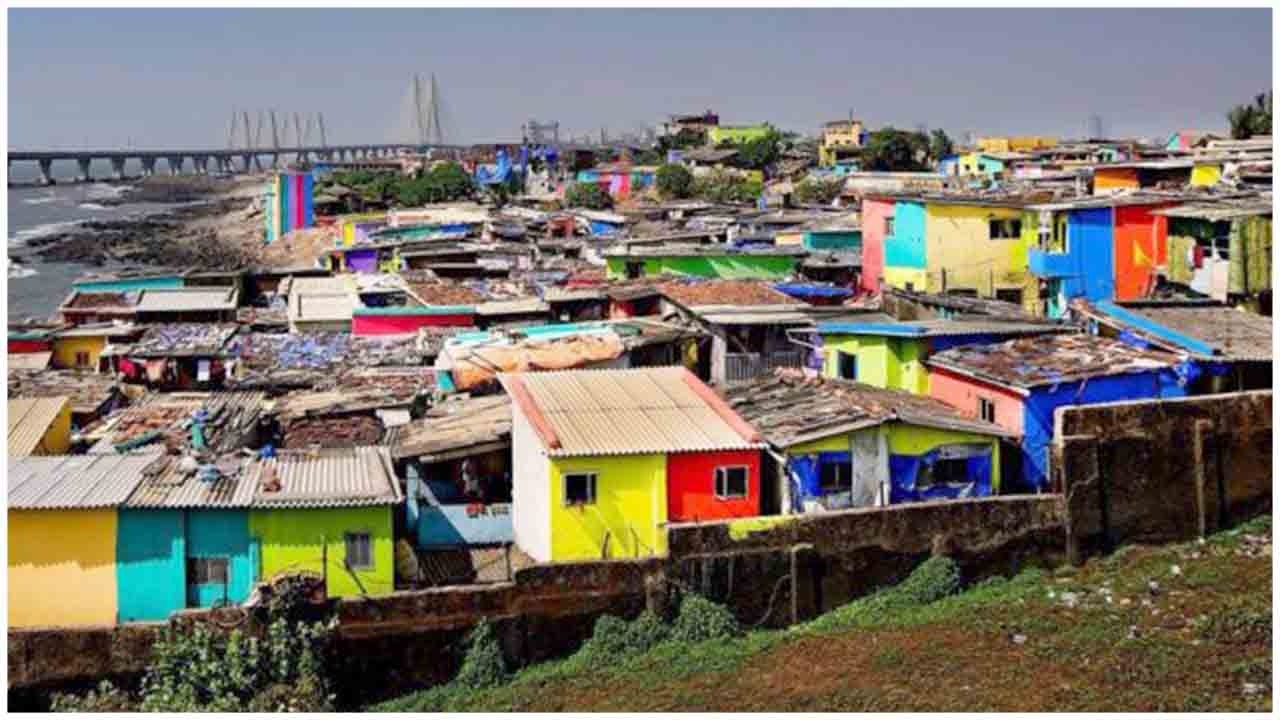
 Worli-Koliwada was declared a containment zone on March 29, a day after 4 positive cases were detected here




Worli-Koliwada, Mumbai’s first containment zone, is going to be de-contained today, and, if all goes well, the fishermen there could soon be back in business too.
Worli-Koliwada is a component of G-south, one among the city’s worst-affected municipal wards with multiple containment zones. But with the fishing village now regaining health, its neighboring localities -- Janata Colony and Jijamata Nagar – could also get out of containment lockdown.
Worli-Koliwada was declared a containment zone on March 29, a day after four positive cases were detected here. Since none of the four had any travel history or contact with a Covid-19 positive person, the authorities acted quickly and turned the fishing enclave into a containment zone – not allowing any resident to exit of the village, nor letting any unauthorized person in.
It proved to be a wise step. Two days later, the number of infections within the village rose to 12, and shortly the entire touched 80. Since the village was a containment zone, the cases were detected quickly, their contacts might be traced easily and isolated, and a wider spread was prevented because the settlement was isolated from the world outside.
There were 90 positive cases reported from the village. Of these, 53 have recovered and returned home Over 700 high-risk and low-risk contacts from the village were sent into institutional quarantine. an outsized majority of those contacts are back home now.
The de-containment process will start early Thursday morning with the removal of police barricades. While some small areas within the village will remain isolated, free movement is going to be restored in on the brink of 80 per cent of the koliwada. The municipal corporation might not immediately allow fishermen to venture out into the ocean since opening fishing markets within the village will cause crowding. However, officers are cognizant of the very fact that this is often peak season before the onset of monsoon, and efforts are being made to permit fishing activity as soon as possible.
The next step would be to lift containment zone restrictions from neighboring Janata Colony and Jijamata Nagar. While Worli-Koliwada is home to around 42,000 people, Jijamata Nagar and Janata Colony house another 35,000.
No new case has been reported from Worli-Koliwada, Jijamata Nagar, and Janata Colony for over every week, indicating the strict restrictions imposed once they were declared containment zones, have worked.
Assistant Municipal Commissioner Sharad Ughade said he has spoken to the police and that they will leave their posts on the roads leading into Worli-Koliwada on Thursday morning.
A senior BMC officer, who worked extensively in Worli-Koliwada, said containing the spread of infection within the fishing village was especially challenging due to its unique communal sort of living. “A fishing village may be a far more close-knit community than a slum. All koliwadas have access to the ocean, making it difficult to seal them. Koliwadas even have vast open spaces that are wont to found out markets and to socialize. Social distancing here is next to impossible,” he said.
With the de-containment of Worli-Koliwada, the G-south ward now has de-contained eleven localities. the town has over 1500 containment zones.





.jpeg)










.jpg)
.jpg)
.jpg)
.jpg)
.jpg)
.jpg)


.jpg)