 Friday, October 09, 2026
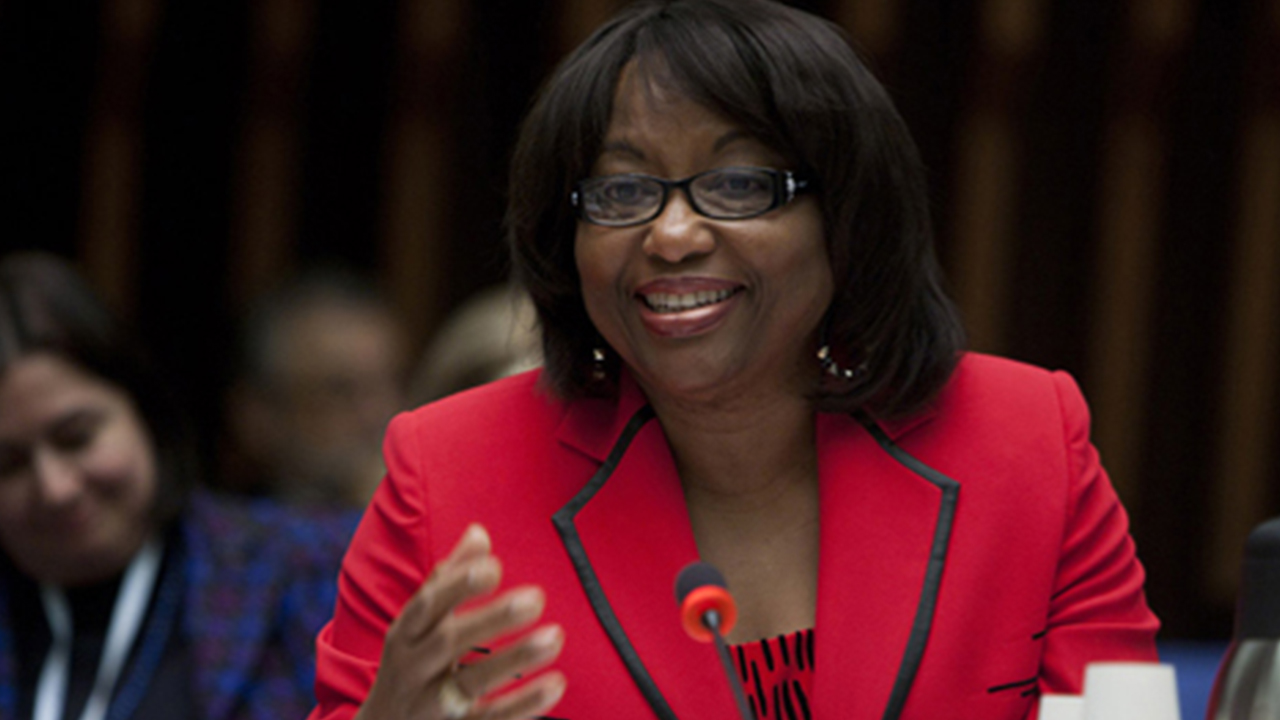
 PAHO director urges for continuation of immunization to avoid risk of other outbreaks during COVID-19 pandemic




The Director of the Pan American Health Organization (PAHO), Carissa F. Etienne, today urged for vaccination programs to continue during the COVID-19 pandemic.
“If we fall behind on routine immunizations, particularly for children, we risk outbreaks, thus overwhelming hospitals and clinics with preventable diseases in addition to COVID-19,” said Dr. Etienne.
In a press briefing updating the situation, Dr Etienne said, “until a vaccine for COVID19 is available, immunizations can and must be delivered by the health services alongside the response” to the pandemic. If countries fail to do this, “the impact on our health systems would take months or even years to reverse,” she added.
A priority for countries, she said, is to “vaccinate to protect health workers, the elderly and vulnerable populations from other respiratory infections, such as influenza and pneumococcus, which can lead to more hospitalizations and may be harder to diagnose in the context of COVID-19.”
Maintaining capacity in vaccination is also key to ensuring the Region’s “readiness to deliver the vaccine for COVID 19” when it is developed, Dr Etienne noted.
This week, “Vaccination Week in the Americas is a time to promote and celebrate the life-saving power of vaccines. In 2020, we approach it with an acute sense of urgency,” she said, adding, “History has shown us that after wars or epidemics, if we allow large gaps in immunization coverage, vaccine preventable diseases like polio and measles can re-emerge.”
While measles was eliminated in the Americas in 2016, “As coverage rates dropped we faced outbreaks in Venezuela, Brazil, and Colombia and in a few states in the US. As we speak, at least three countries are working to contain measles outbreaks in Latin America,” said the PAHO Director. “Efforts to control measles must continue, safely, amid the COVID-19 pandemic, or we risk erasing more than 20 years of progress,” she warned.
As of April 27, more than one million cases of COVID-19 have been reported in the Americas, and 60,211 people have died. “We are seeing a growing number of countries with ongoing community transmission: 3 in North America, 7 in South America, 1 in Central America, and 1 in the Caribbean,” said Dr. Etienne.
“PAHO continues to work closely with member States to strengthen surveillance. Based on everything we know, it’s vital that countries reinforce protective measures now and use all tools available to them. This includes proven public health interventions like social distancing, testing, isolating cases and contact tracing,” she added.
To help countries plan and make decisions on which vaccines to prioritize during the COVID-19 pandemic, PAHO has issued detailed guidance, which considers both potential risks and the burden of the pandemic on health systems. Tis guidance recommends that governments prioritize those vaccines for diseases that have an imminent risk of expanding in that area, such as measles, and those for other respiratory infections, such as flu and Pneumococcus.
Regarding vaccination efforts in the Region, the director said “our teams at PAHO are supporting every step of the process. We are training health workers and educating communities. We are working harder than ever to ensure that this pandemic doesn’t disrupt vital immunization services.”





.jpeg)










.jpg)
.jpg)
.jpg)
.jpg)
.jpg)
.jpg)


.jpg)